
Brisbane Boys’ College Puts Toowong Heritage House Goldicott on the Market

Brisbane Boys’ College (BBC) has placed the heritage‑listed Goldicott House in Toowong on the market, only three years after acquiring the property. The private school has re‑evaluated its use of the 19th‑century estate that remains one of the area’s notable historic homes.


Read: BCC Saves Toowong’s Cultural Heritage Building – “Goldicott House”


Sale Details

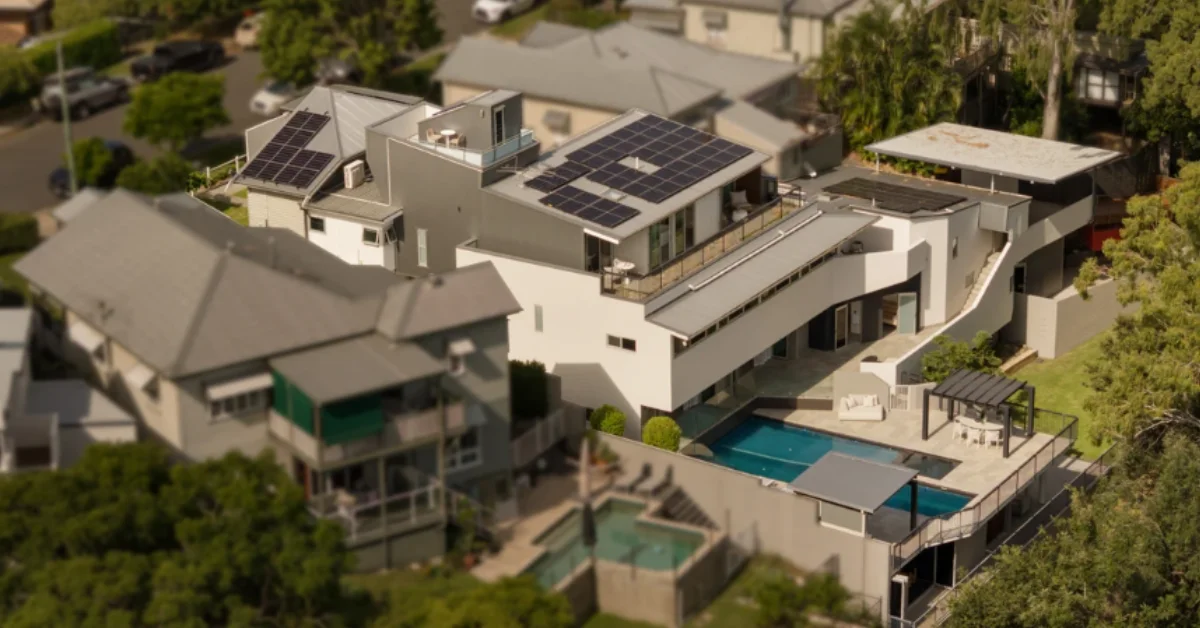
The current offering includes the heritage home and its immediate grounds, while BBC retains an adjacent 6,629 m² block. The school originally considered incorporating the estate into its boarding facilities, but it has now opted to return the house to private residential use. Located around five kilometres from the Brisbane CBD, the property combines substantial land, period architecture, and a prominent position in Toowong.

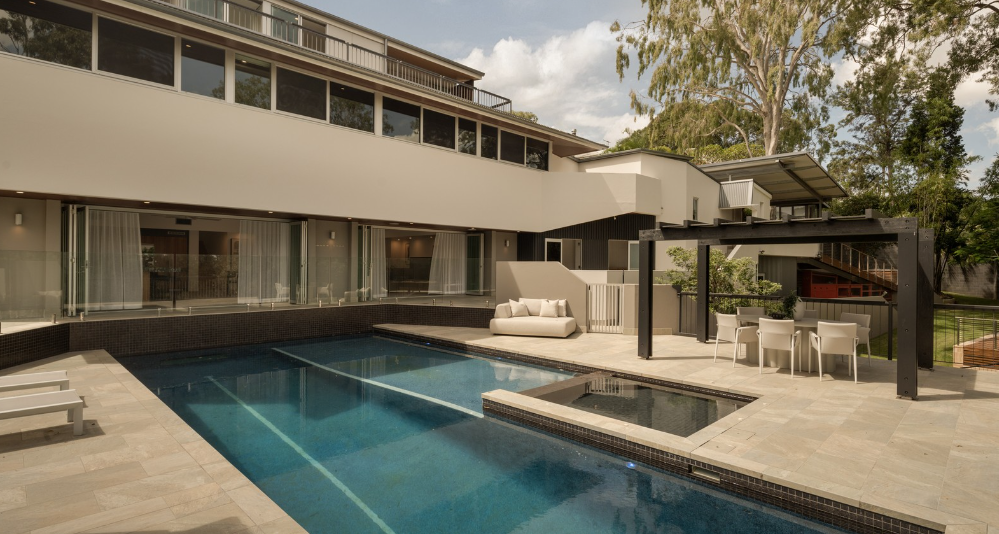
The estate spans approximately 5,711sqm of land and includes around 737sqm of built space. The house features wrap‑around verandahs, mature gardens and commanding views of Brisbane, reflecting both its Victorian era pedigree and its continued landmark status in Toowong. Offers for the property are due to close on 26 November 2025.

Goldicott House: History and Significance

Photo credit: QLD Heritage Register

Goldicott House was constructed in 1885 for engineer Charles Lambert Depree and his family. Depree used a construction method he patented in 1871, and the house is recognised as one of the earliest poured‑concrete domestic buildings in Queensland. It is listed on the Queensland Heritage Register, entered on 26 November 1998.

In the early 1900s the property changed hands, and by 1903 the estate was acquired by the Sisters of Mercy and became known as Mount St Mary’s Convent. The grounds and building have been the subject of heritage protection over the years, including court decisions rejecting rezoning and subdivision proposals in 2018 and 2020.

BBC, together with the Presbyterian and Methodist Schools Association (PMSA), finalised contract terms for the 1.23‑hectare site adjoining the school in May 2022. The purchase price was reported at $17 million, with the previous developer having acquired the property for roughly $8 million. 


Read: Court Rules No to Goldicott House Rezoning and Development in Toowong


Goldicott House remains an important piece of Toowong’s architectural story. Its next caretakers will inherit not just a home, but a tangible link to Brisbane’s engineering and architectural past—while the estate’s heritage value continues to be safeguarded under its current listing and physical prominence in the suburb.

Published 30-October-2025

Toowong Cemetery and Other Queensland Sites May Run Out of Burial Space by 2035

Queensland is facing a growing challenge. By 2035, the state could run out of room to bury its dead, with Toowong Cemetery, Brisbane’s largest cemetery, one of the sites in focus. Local authorities across the state are warning that population growth, an ageing population, and rising demand are placing significant pressure on burial space.


Read: Fact and Folklore Blur as Toowong Cemetery Tales Spread Online


New research from the Local Government Association of Queensland (LGAQ) shows many Councils expect their existing cemetery land to reach capacity within the next 10 to 15 years. Unlike most other land uses, cemetery plots are treated as permanent in Queensland. Once used, they are rarely reused, and the scarcity of suitable new land means councils have limited options for expansion.

Alison Smith, CEO of the LGAQ, stated that councils have been studying these statewide challenges and are collectively urging the State to collaborate with them on planning the future of cemeteries across Queensland.

“We need a holistic, strategic and statewide approach to considering and addressing these issues,” Ms Smith said.

Toowong Cemetery, located in Brisbane’s inner west, has long served as the resting place for many families and is recognised as the city’s largest cemetery. In other parts of Queensland, local authorities are already grappling with both space and cost pressures, managing land, securing new sites, and maintaining ageing cemetery infrastructure under financial strain.

Photo credit: Ruth Mavroleon/Google Maps

The issue is not solely logistical but also cultural. Some religious communities, including Muslim, Jewish, and Eastern Orthodox groups, adhere to burial traditions that limit the wider adoption of cremation, which in turn adds to pressure on land. In other jurisdictions, grave reuse or renewable tenure systems have been introduced. In Queensland, however, perpetual burial rights remain the norm, limiting flexibility in managing space.

Strategies and Suggestions for Sustainable Cemetery Management

Photo credit: Sonia Ho/Google Maps

Industry experts and councils are advocating for a range of strategies to manage the impending space shortage. One proposed measure is the adoption of renewable tenure for burial plots, where graves are leased for a defined period and may be reused afterwards, a model already in use in parts of Australia and internationally. Such a change could significantly increase the functional life of cemetery land.

Other practical strategies include allowing multiple internments, for example, family members sharing a single plot, and deeper graves to maximise space. These approaches require careful consideration of safety and cultural comfort during burial services.

Cremation is another frequently discussed alternative. While less land intensive, its acceptability varies by community and religious tradition. Advocates are encouraging councils and the state to develop policies that make cremation a culturally sensitive and accessible choice where appropriate.

Local authorities are calling for a statewide strategy that brings together the state, local councils, cemetery operators, and community representatives. The objective is to plan for land supply, invest in infrastructure, respect cultural and religious needs, and ensure the long-term financial viability of cemetery sites.


Read: Toowong Cemetery Holds the Forgotten History of Susan McGowan


For Toowong and other Queensland cemeteries, the conversation is about more than land, it is about how communities honour their past while planning for future generations. With coordinated planning, innovative choices, and community engagement, Queensland may be positioned to balance tradition, memory, and sustainability in its cemeteries.

Published 29-October-2025

Global Cocktail Bar Death & Co. Chooses Toowong for First Brisbane Venue

Acclaimed US cocktail institution Death & Co. has selected Toowong for its first-ever Brisbane bar, announcing it will take over the subterranean space beneath the Regatta Hotel.


The celebrated bar, which first established itself as a New York City institution, will begin serving patrons in Brisbane later this summer. Its arrival is part of a wider Australian expansion, which includes a Melbourne venue set to begin operating in November. The move into Australia is a collaboration with the major hospitality group Australian Venue Co.

A New Era for a Familiar Space

Death & Co
Photo Credit: Death & Co/ Facebook

For many locals, the most exciting detail is the venue’s location. The new cocktail bar is currently taking shape in the space beneath the Regatta Hotel, a spot previously home to The Walrus Club. This signals a significant new chapter for the popular Toowong landmark, bringing a different style of world-class service to the riverside community.

From East Village to Brisbane River

Death & Co
Photo Credit: Death & Co/ Facebook

Death & Co. first made its name in Manhattan’s East Village in late 2006, quickly building a reputation for its creative team and commitment to quality. The brand’s philosophy focuses on restoring a sense of class and flavour to the specialty cocktail, aiming to create exceptional experiences for its patrons. While it has since grown with venues in Los Angeles, Denver, and Washington D.C., the company states its deep desire to be a centre for its communities has remained.

To ensure this standard is met in Queensland, newly hired Australian managers recently completed extensive training in the United States. This preparation aims to faithfully recreate the brand’s well-known service style and philosophy.


What to Expect

Once operating, the Toowong team will serve the brand’s iconic signature drinks, including the Naked & Famous and the Oaxacan Old Fashioned. Patrons can also look forward to a range of new menu additions that have been created with local inspiration. Community members are advised to watch for more details as the summer launch approaches.

Published Date 23-October-2025

A Grave in Toowong Holds the Story of a Forgotten Boxing Legend: Peter Jackson

On a quiet slope of Toowong Cemetery, a marble headstone bears the simple inscription: “This was a man.” It marks the resting place of Peter Jackson, a boxer once hailed as among the finest heavyweights in the world.


His story stretched from the Caribbean to the colonial ports of Australia and the boxing halls of London and San Francisco. Yet it ended here, in Toowong, far from the roar of the crowds that once cheered his name.

The grave connects Australia’s colonial sporting past with broader histories of race and ambition in the 19th century. For those who wander among Toowong’s shaded paths, Jackson’s name offers a glimpse into a history that is both global and deeply local.

From St. Croix to the Australian Colonies

Peter Jackson was born on 3 July 1861 in Christiansted, on the island of St. Croix in the Danish West Indies, now part of the U.S. Virgin Islands. His father was from Jamaica, and Jackson’s early years unfolded in a colonial Caribbean still shaped by the legacy of slavery.

Brought to Australia as a boy, he worked as a seaman and on the waterfront, physically demanding jobs that preceded his entry into boxing.

It was in Australia’s port cities that Jackson’s talent began to attract attention. Boxing in the late 19th century was a brutal but popular sport, a mix of spectacle and endurance.

Jackson, known for his skill and composure, stood out from many of the more straightforward sluggers of the era. He combined strength with a calculated, scientific style that earned him both respect and fear in the ring.

A Champion Emerges

Jackson’s rise to prominence came in 1886 when he defeated Tom Lees in the 30th round to win the Australian heavyweight title. The bout was grueling, but it announced Jackson as a major figure in the sport.

His reputation spread quickly beyond Australia’s shores, and soon he was fighting in Britain and the United States. There, he faced some of the best fighters of his era and defeated many of them, including George Godfrey and Joe McAuliffe.

In 1888, Jackson claimed the World Coloured Heavyweight Championship, a title created because Black fighters were excluded from competing for the sport’s official world crown. His technical style was widely praised by the boxing press of the time as refined and strategic. He was a powerful and precise fighter who relied on intelligence as much as strength.

Yet despite his record and widespread admiration, Jackson was repeatedly denied the chance to fight for the official world heavyweight title. The informal but rigid “colour bar” prevented him from challenging white champions like John L. Sullivan. Sullivan, regarded as one of the era’s greatest fighters. He refused to face Jackson in the ring. It was a decision historians still regard as one of boxing’s most significant missed contests.

A Global Career and Its Toll

The years that followed took Jackson across continents. He fought in major venues in Britain and America, drawing significant attention and praise from contemporary newspapers. Yet the relentless travel, physical punishment, and constant fight schedule took a toll on his body.

By the mid-1890s, Jackson’s health was in decline. He suffered from tuberculosis, a disease that was often fatal in the 19th century and particularly devastating for athletes whose strength was their livelihood.

Contemporary reports described Jackson as a man of dignity and character, qualities that maintained his reputation even as his career waned. Eventually, his illness forced him to step away from the sport that had defined his life.

Final Days in Queensland

Jackson returned to Queensland as his health worsened. He spent his last months in Roma, a small town west of Brisbane, where he received care while battling tuberculosis.

On 13 July 1901, Peter Jackson died at just 40 years old. News of his death spread quickly, and tributes appeared across the Australian press. Newspapers described him as one of the finest heavyweights never to fight for the world title, a man whose career was shaped as much by prejudice as by talent.

Plans were soon made to bring Jackson’s body back to Brisbane for burial. A funeral procession accompanied his coffin through the city, with members of the public and the sporting community gathering to pay their respects. On 16 July 1901, he was laid to rest at Toowong Cemetery, his grave marked with a marble headstone funded by public subscription. The inscription, “This was a man,” reflected the deep respect and admiration held for Jackson.

Toowong: The Keeper of His Legacy

Today, Jackson’s grave is among the most notable sites in Toowong Cemetery. Located in Portion 5, Section 28, Grave 1, it is a point of interest for boxing historians, local researchers, and visitors interested in Queensland’s past. The site serves as a physical reminder of a man whose story might otherwise have been lost to time.

Toowong’s connection to Jackson shows how Queensland became the final chapter of a life lived across continents and shaped by the global forces of empire, sport, and race. More than a century after his death, the cemetery continues to be a place where people come to learn about the man beneath the stone — not just a boxer, but a figure who challenged the limits placed upon him and left a legacy that stretched far beyond the ring.

Peter Jackson’s contributions to boxing were eventually recognised long after his death. In 1990, he was inducted into the International Boxing Hall of Fame, a belated but significant honour that placed his name alongside the sport’s greats.


Published 21-Oct-2025

Stuartholme School Educators Honoured in 2025 TEACHX Awards

Three educators from Toowong’s Stuartholme School have been recognised in the 2025 TEACHX Awards, the annual program run by the Queensland College of Teachers (QCT) to celebrate innovation, leadership, and excellence in teaching.


Read: Stuartholme School Toowong To Start Years 5 and 6 Intake, Plans New Precinct


Deputy Principal Deborah Lonsdale-Walker, Dean of Boarding Jane Morris, and Junior School Educator Genevieve Rossi were among 78 teachers honoured from a pool of 324 nominations statewide.

Stuartholme School
Deputy Principal Deborah Lonsdale-Walker (Photo credit: Queensland College of Teachers)

Deborah Lonsdale-Walker was recognised for her leadership in driving educational excellence and innovation across the curriculum. Her leadership also supports initiatives in staff development and student wellbeing, ensuring academic and personal growth.

teachx awards
Dean of Boarding Jane Morris (Photo credit: Queensland College of Teachers)

Jane Morris, Dean of Boarding, received acclaim for her dedication to creating a supportive, empowering environment for students living on campus. She oversees boarders from across Queensland, other states, and overseas, helping them achieve strong academic results while thriving socially and personally. Her leadership has contributed to exceptional boarding outcomes, including every Year 12 boarder in 2024 achieving their Queensland Certificate of Education (QCE).

teachx awards
Junior School Educator Genevieve Rossi (Photo credit: Queensland College of Teachers)

In the Junior School, Genevieve Rossi was recognised for her passion for early years education. She inspires curiosity, confidence, and a love of learning among the youngest students, using creative teaching approaches that engage children in literacy, numeracy, and STEM.

Together, the three recipients reflect the diverse strengths of the Toowong-based school, which serves both day and boarding students and is part of the international Sacred Heart network of schools.

Stuartholme School praised the achievements of the three recipients, noting that their work reflects the diverse strengths of the school and the transformative influence of exceptional educators. 

Principal Daniel Crump said, “These inspiring leaders demonstrate unwavering commitment to student growth, educational excellence, and community impact. Their recognition reflects the strength of Stuartholme’s values and its dedication to nurturing future-focused, compassionate, and empowered learners.”


Read: Lived Experience the Key for Toowong Deaf Educator Jason Alford


The TEACHX Awards spotlight educators whose work strengthens communities and shapes the future of education in Queensland. Winners are selected not only for classroom teaching but also for leadership, curriculum innovation, and contributions to student wellbeing.

For the Toowong community, the awards underscore the importance of local educators in making a difference beyond the classroom. By fostering student growth, supporting staff development, and enhancing school culture, Lonsdale-Walker, Morris, and Rossi exemplify the dedication and impact of exceptional teaching.

Published 17-October-2025

Lived Experience the Key for Toowong Deaf Educator Jason Alford

Toowong State School is fostering a uniquely inclusive classroom with the help of Jason Alford, a Deaf teacher whose previous career as a plumber gives him a practical and powerful perspective on empowering students.


His education journey, highlighted during International Week of Deaf People, was deeply personal. After becoming heavily involved in the schooling of his three Deaf children, Mr Alford noticed gaps in the system and was inspired to step into the classroom himself. He believed his perspective as a Deaf person could offer invaluable support to students and their families.

Building Bridges in the Classroom

Now in his second year as a qualified teacher, Mr Alford works in the school’s specialist Bilingual and Bicultural (BiBi) programme. He sees his role as a vital link for the children, describing it as being a bridge that connects the worlds of language, culture, and identity for students, whether they or their families are Deaf, hard of hearing, or hearing. He explained that positive representation is crucial, and he feels proud to show his students what is possible for their future.

Working collaboratively alongside three other staff members, the team creates a dynamic and responsive learning space. He acknowledges the work can be challenging but notes that with strong planning and teamwork, they can successfully tailor lessons to meet the unique needs of every student.

Sharing Toowong’s Ideas on a Global Stage

The local programme’s success has not gone unnoticed. Earlier this year, Mr Alford and his colleague Erin Davies travelled to Rome, Italy, to present on the topic of Bilingual Education. They shared their insights at the 24th International Congress on the Education of the Deaf (ICED 2025), an event that brings together experts from around the globe.

Mr Alford found the congress inspiring, confirming that their work in Brisbane is on the right track while also providing new ideas for improvement. One of his most significant takeaways was the critical role of data. He now believes that collecting detailed information—from the individual student level right up to a statewide scale—is essential for making stronger, more informed decisions that will strengthen Deaf education across Queensland.


A Call to the Classroom

For Mr Alford, teaching is more than just a job; it is a continuous journey of personal and professional growth. He encourages anyone considering a career change into education to leap. He believes that in teaching, you never stop learning yourself, and the growth opportunities are limitless.

Published Date 17-October-2025

Brisbane Boys’ College to Join Global Line-Up at Royal Edinburgh Military Tattoo Brisbane 2026

Brisbane Boys’ College’s Pipe Band will represent Australia on one of the world’s most celebrated stages next year, as the Toowong school becomes the only school in Australia and New Zealand invited to perform at The Royal Edinburgh Military Tattoo AUNZ 2026.


Read: Brisbane Boys College Pipers Expected to Feature in Prestigious Royal Edinburgh Military Tattoo


The announcement was made at the school’s Toowong campus by Alan Lane, Creative Director of the Tattoo, who travelled from Scotland to share the news. BBC will perform alongside more than 30 bands and cultural groups from over 12 countries in The Heroes Who Made Us, a large-scale production set to fill Suncorp Stadium from 12–15 February 2026.

Photo supplied

Among the confirmed acts are the Combined Military Bands of the Australian Defence Force, Queensland Police Pipe Band, Australia’s Federation Guard, His Majesty the King of Norway’s Guard Band and Drill Team, and the Japan Air Self-Defense Force Central Band. Lane said the line-up brings together excellence in music, pageantry, and performance.

“The Tattoo has always been about celebrating culture, connection and spectacle, and to be able to share that spirit with Australian audiences is a real delight,” said Lane.

A Proud Moment for BBC

For Brisbane Boys’ College, the announcement builds on its established tradition of piping and drumming. The school’s pipe band has a proud record of public performances and competition success.

The news was celebrated on campus by Pipe Major Nicholas Shelburn, an 18-year-old Year 12 student who began learning the bagpipes in Year 3 and has already played twice at the Tattoo with BBC. His role as Pipe Major reflects the dedication of BBC’s current generation of young musicians.

The band is preparing to represent the college and Brisbane community when it performs in February 2026.

The Royal Edinburgh Military Tattoo: Tradition Meets Spectacle

The Royal Edinburgh Military Tattoo Preview (Photo supplied)

First held in 1950, The Royal Edinburgh Military Tattoo is an internationally renowned event that blends music, military precision, and cultural display. Staged annually on the Esplanade of Edinburgh Castle, it draws nearly 230,000 live spectators each year and a global television audience exceeding 100 million.

Photo supplied

In 2010, the event received the “Royal” title from Her Majesty Queen Elizabeth II, recognising six decades of performance excellence. Over the decades, more than 50 countries have participated, making the Tattoo a truly global celebration of camaraderie through performance.


Read: Karting Star from Brisbane Boys’ College Makes National Mark


The Brisbane edition in 2026 will celebrate the Tattoo’s 75th anniversary, following its record-breaking season in Edinburgh in August 2025, which drew over 220,000 attendees. The local production is expected to feature more than 1,100 performers, including international acts such as Scotland’s Top Secret Drum Corps and Japanese, Norwegian, Tongan, and New Zealand contingents.

Published 9-October-2025

Brisbane Boys’ College Claims Basketball, Rowing and Cross Country Honours

Brisbane Boys’ College Toowong has capped off an extraordinary run of results on the national and state stage, with its First V Basketball team winning bronze at the Champion Basketball School of Queensland (CBSQ) State Championship, Year 9 rower Magnus Steemson placing second at the South Queensland Schools Championship Regatta, and Year 8 runner Ben Schinard crowned Australian School Sport Cross Country Champion.


Basketballers secure CBSQ bronze

The First V Basketball side delivered a strong performance at the CBSQ State Championship, Queensland’s leading school basketball competition. After advancing through the draw, BBC met Anglican Church Grammar School (Churchie) in the bronze medal playoff. In a commanding match, the Toowong boys prevailed 97-82 to secure third place overall.

The result follows their championship win in 2023, reinforcing BBC’s reputation as one of the state’s most consistent school basketball programs. BBC Co-Curricular highlighted the boys’ skill, determination and teamwork in a performance that energised their school community.

Rowing podium for Year 9 competitor

On the water, BBC’s rowing shed also celebrated success. Magnus Steemson, a Year 9 competitor, raced in the single scull against 27 other rowers at the South Queensland Schools Championship Regatta. He powered into second place, adding another strong result for the college in the sport.

The performance reflected both his individual commitment and the breadth of rowing opportunities available through the school’s program.

National cross country crown for Schinard

Perhaps the most eye-catching achievement came in cross country, where Year 8 student Ben Schinard emerged as the 14 years Australian School Sport Champion. Racing in the 4km event against the country’s best, he claimed gold to secure his first national title.

The college also celebrated the efforts of Hugh White, a Year 12 student and BBC’s 2025 Cross Country Captain, who ran a determined race to place fourth in the 18–19 years 8km event. The school described both efforts as a reflection of dedication and hard work that set the tone for the program’s future.


Community pride in Toowong

The triple success across basketball, rowing and cross country has reinforced the central role of sport at Brisbane Boys’ College. Families, staff and students in Toowong have expressed pride at seeing the green, white and black colours represented with distinction at the highest levels.

These podium finishes not only highlight athletic achievement but also showcase the community spirit that comes from collective effort, coaching support and the friendships forged through school sport.

Published 26-Sept-2025

Unrenovated Home at Saint Osyth Street Sells for $1.325M Amid Rising Property Values

A weathered three-bedroom home at 28 Saint Osyth Street has sold under the hammer for $1.325 million, drawing an audience of locals, builders, and former tenants who once called the property home.


Read: Toowong Home Finds New Owners Despite Termite Troubles


The house, set on a 405-square-metre corner block, had not changed hands since 1983. Its original features included an outdoor toilet, dated floor plan, and tired stumps, all of which signalled the scale of renovation awaiting its next chapter.

Photo credit: Google Maps

Despite its condition, the auction drew spirited competition. Bidding began at $1 million and quickly escalated in $50,000 increments. Five prospective buyers participated, with the final bid secured by a local couple who had long admired the property during their walks through the neighbourhood.

Adding to the occasion, several former tenants reunited at the open home, reminiscing about their days as university students living under its roof. Their presence gave the auction a celebratory feel, blending nostalgia with the excitement of new beginnings.

Market Context in Toowong

Photo credit: Pexels/Pavel Danilyuk

The result comes at a time of renewed strength in Brisbane’s property market. According to recent figures, Toowong’s median house price sits at approximately $1.61 million, reflecting steady growth in the inner-west suburb. The area’s blend of heritage homes, proximity to the CBD, and leafy character has made it particularly attractive to buyers seeking both lifestyle and investment opportunities.

Domain data shows Brisbane’s clearance rate hovering around 60 per cent in recent weeks, with activity picking up as spring encourages more buyers and sellers into the market.

A Snapshot of Change

Photo credit: Google Maps

The sale of 28 Saint Osyth Street reflects a broader trend across Brisbane, where demand for both finished homes and renovation-ready properties is driving competition. While polished, move-in-ready residences command premium prices, character homes in need of work remain highly sought after for their potential.

In this case, the enduring charm of the property, combined with its corner-block location just minutes from the city, outweighed the scale of the renovations required. For the new owners, it marks the beginning of a personal project and the continuation of the property’s long history in the suburb.


Read: $1 Billion Toowong Central Precinct Proposed to Transform Inner West


Looking Ahead

The sale serves as a reminder of the enduring appeal of Toowong, where history and growth intersect. For many residents, the auction was more than a real estate transaction – it was a chance to share stories, reconnect, and witness the next chapter of a home that has been part of the community for decades.

Published 23-September-2025

Toowong School Faces Legal Battle over Red Rover Playground Injury

A former Brisbane Boys’ College student is suing the elite school for more than $1.5 million, claiming injuries from a playground game of red rover ended his dreams of a sporting and military career.


Read: Brisbane Boys’ College Duo to Represent Queensland in Gymnastics


Deklyn Reid, now 22, lodged a claim in the Supreme Court in Brisbane alleging he suffered a dislocated hip and torn tissue in 2016 when he was 12. According to the documents, he was reportedly tackled during the game before other students landed on him, leaving him with serious injuries that required surgery and ongoing treatment.

red rover
Photo credit: Brisbane Boys’ College/Google Maps

Reid says the incident forced him to spend 10 days in hospital and left lasting physical and emotional scars. He argued that it derailed his education and stopped him from pursuing professional rugby or joining the Australian Defence Force. He is seeking damages covering medical costs, past and future economic losses, and pain and suffering.

red rover
Photo credit: Brisbane Boys’ College/Google Maps

His case alleged that the school breached its duty of care by failing to enforce playground rules prohibiting physical contact games, despite a teacher being present at the time.

In Queensland, there is no law specifically outlawing red rover in schools. However, the game has been banned at many schools, including some in Brisbane, because of concerns about injuries and liability.

Young people playing red rover (Photo credit: CC BY 2.0/Kyra Malicse/Wikimedia Commons)

The game involves running, tackling, and breaking through lines of players, which can easily lead to accidents. New Farm State School, for example, prohibited red rover and similar chasing games in 2011 after a series of playground injuries and disputes.

Brisbane Boys’ College has indicated it will defend the claim. In court filings, the school said the tackle was a spontaneous act that no reasonable supervision could have prevented. It also argued that staff took reasonable precautions, including banning contact sports, instructing students not to engage in such activities, and providing appropriate supervision.

Reid has said he wants accountability and hopes his case will raise awareness about the long-term impacts of schoolyard injuries. He described the experience as a turning point that changed the course of his future.

A legal practice director, speaking to local media regarding the case, noted that while such claims are weighed for reasonableness, the outcome often depends on evidence. He said the stronger the proof showing Reid’s likely career and sporting trajectory, the more compelling the case would be.


Read: Karting Star from Brisbane Boys’ College Makes National Mark


The college has disputed the allegations, describing Reid’s claims as vague and untrue, and will contest them in court.

Published 18-September-2025