
Brisbane Boys’ College Rugby Stars Earn National Selection

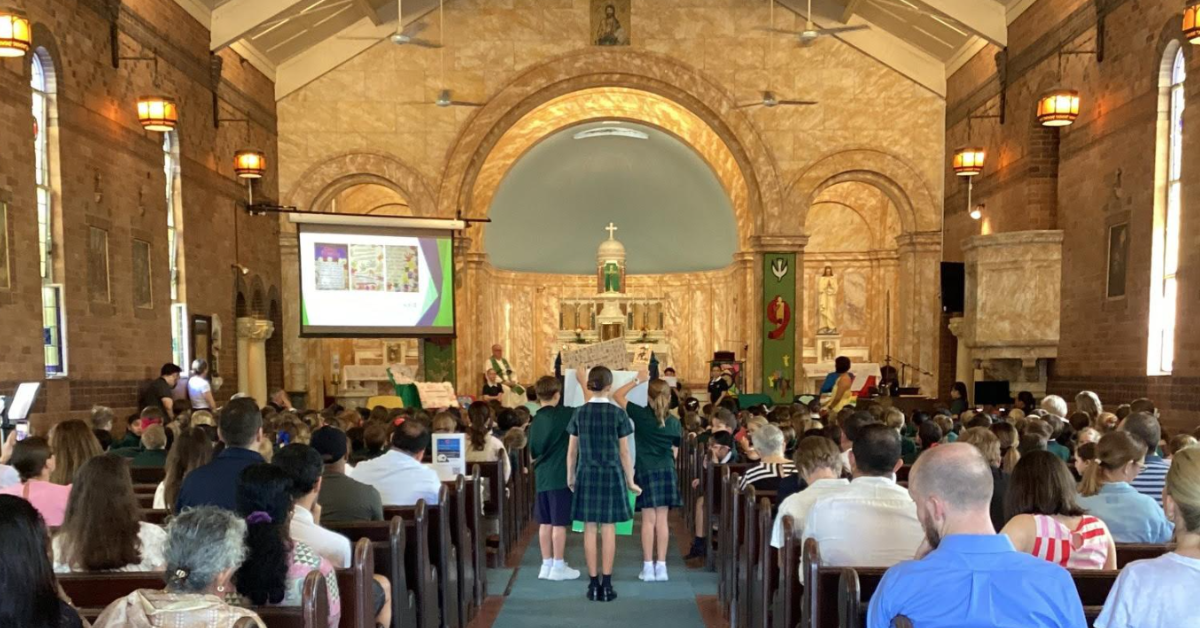
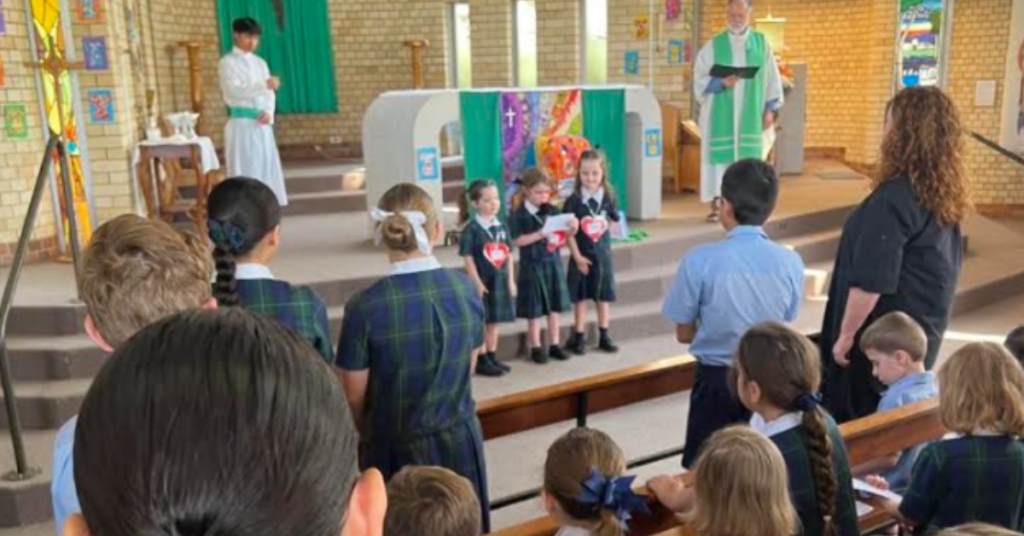
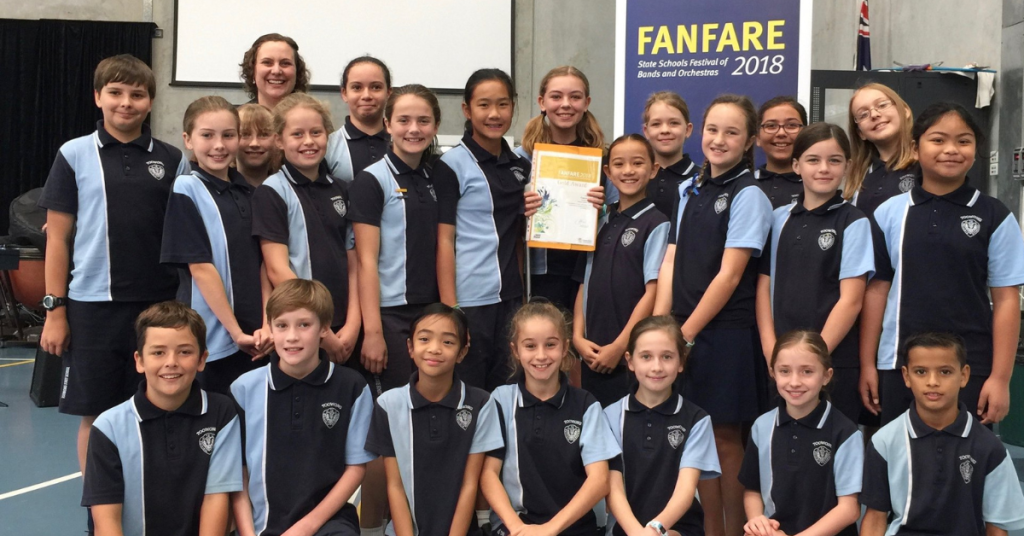
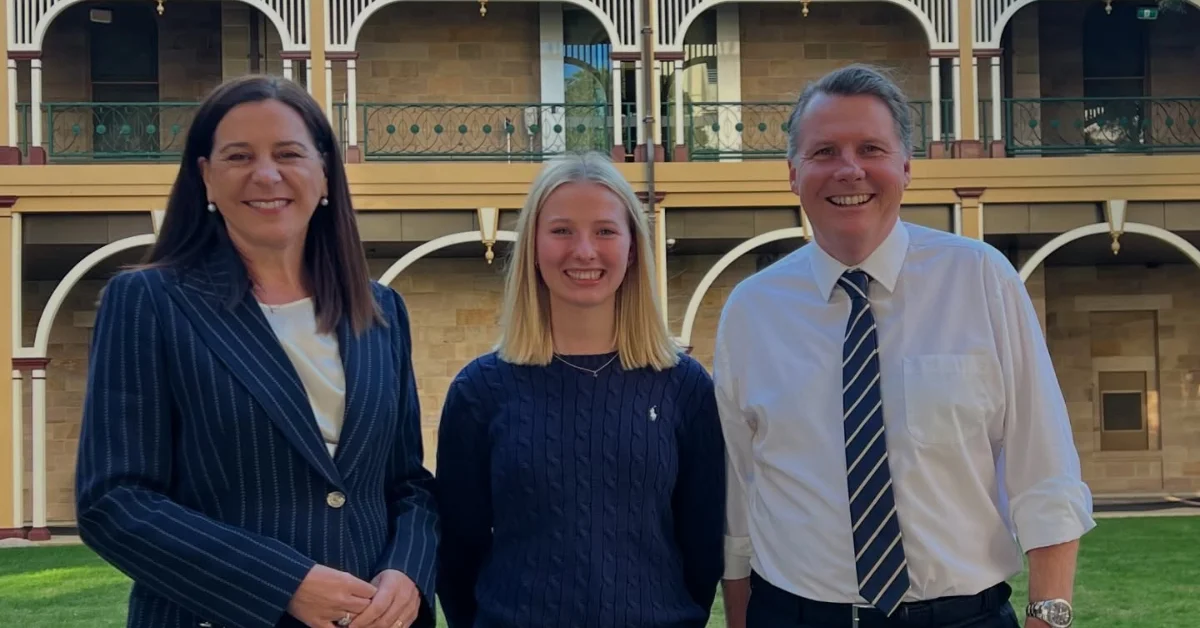
Brisbane Boys’ College has produced two of the nation’s newest young rugby talents, with Year 12 students Oscar Donovan and Taione Taka earning selection to the 2025 Australian Under-18 Rugby Squad.


Selection Highlights Hard Work And Local Training

The announcement came in early October after the Australian U18 team’s series in Canberra, where Donovan and Taka played key roles. They helped Australia claim three straight wins over New Zealand Secondary Schools and the Australian Schoolboys team. Both have been part of the Brisbane Boys’ College rugby program since Year 9, developing under experienced coaches and mentors. 

Their selection places them among the nation’s top young rugby talents, representing their school and the Brisbane rugby community. The Australian Under-18 squad often serves as a pathway to professional and senior national teams.

Strong Foundation Through School Rugby

Brisbane Boys’ College staff expressed pride in seeing years of player development lead to national success. The school’s rugby program emphasises discipline, teamwork, and consistency, shaping Donovan and Taka’s style and mindset. 

Photo Credit: Google Maps

Both athletes earned recognition for their leadership, work ethic, and technical skill. The school community also showed strong online support, praising them as role models for younger players.

Community Pride And Support

In a Facebook post announcing the news, community members congratulated the players and wished them success in future championships. Many expressed pride in the school’s sporting culture and its impact beyond the field. 

Brisbane Boys’ College continues to build its reputation for both academic and athletic excellence.  The rugby program plays a key role, with Donovan and Taka showing what dedication and community support can achieve.

Looking Ahead To 2025

With their selection to the Australian Under-18 Rugby Squad, both players now prepare for training camps and national fixtures ahead of the 2025 season. The experience will expose them to elite coaching and high-level competition, setting the foundation for future sporting careers.


Their success reflects years of preparation within the Brisbane Boys’ College environment, where teamwork, respect, and determination are core values. The community’s support, from teachers to parents and peers, continues to play a vital role in helping young athletes reach their potential.

Published 14-October-2025

Rightsizing, Not Downsizing: Finding More Life in Just the Right Space at Somerset Indooroopilly 

With average life expectancy now stretching into the mid-80s, many Australians are realising that the family home—once a symbol of success—can quietly become a source of work and worry.

Nearly three-quarters of over-75s still live in houses larger than they need, while about 30 per cent are considering a move that fits their lifestyle today rather than the one they built decades ago.

Those themes will be be at the heart of Coffee & Conversations on 12 November 2025, where locals can hear about Somerset Indooroopilly—a new village that allows locals to downsize in the area they know and love.

Photo Credit: Somerset Indooroopilly

Set beside the Indooroopilly Golf Club, Somerset is a series of light-filled apartments around shared gardens, terraces and a café rather than cul-de-sacs and fences. The aim is to make life simpler without making it smaller.

Designed by Cox Architecture and built by Woollam Constructions, the whole complex is shaped around the concept of rightsizing: a lifestyle that trades maintenance for meaning, routine for connection, and isolation for ease.

Photo Credit: Aura Holdings

The shift speaks to a broader cultural change. Retirement communities are no longer seen as endpoints but as extensions of an active life. Research shows residents in such settings are physically healthier, more socially engaged and report higher overall happiness than those ageing alone. It’s less about giving things up than gaining back time—the chance to travel, volunteer or just enjoy an unhurried morning coffee.

Research shows that residents of well-designed retirement villages are more active, more socially engaged and less likely to need hospital care than peers who continue living alone.

People living in retirement communities can experience a reduction in patterns of hospitalisations, have the potential to reduced need for GP visits, and can stay healthy living independently.

RLC Report Better Housing for Better Health

Increasingly, people are choosing communities that give them freedom and flexibility, not just a smaller footprint. In practice, that means more time spent walking, reading, travelling—or simply enjoying a catch-up with friends—without the endless to-do list that comes with a large property.

At Somerset, that philosophy is built into everyday life, capturing that balance through thoughtful design. Apartments open onto gardens and shared terraces; the café hums with conversation; and facilities like the pool, gym, and library encourage activity without pressure.

Photo Credit: Aura Holdings

Each home includes a 24-hour monitored EEVI system for peace of mind, while a Village Manager and Wellness Advisor ensure help is close by but never intrusive. “Knowing the place is managed, looked after and secure—that’s a big factor,” one resident said. “It’s lovely knowing you’re in a safe area, surrounded by good people.”

The community is pet-friendly, the gardens maintained, and the atmosphere quietly sociable. “Moving here gave me freedom,” said another resident. “I can just close the door and go.”

For many, that’s the essence of rightsizing—choosing a space that fits this stage of life as comfortably as the last one did. “When you make the choice sooner rather than later, you give yourself the gift of freedom and the chance to enjoy more of what matters,” Aura Director Mark Taylor said at a recent Somerset event.

Pictured (L-R) Somerset Residents: Elsie, Ross, Elaine and Iris Photo Credit: Aura Holdings

And for anyone curious, participating in Coffee & Conversations on 12 November 2025 offers the simplest introduction: a walk through the gardens, a cup of coffee, and a conversation about how less maintenance can make room for more living.

Aura Holdings is a Proud Promotional Partner of Brisbane Suburbs Online News

Published 6-November-2025

Brisbane’s Tallest Suburban Towers on Hold: Toowong Central Redevelopment Update

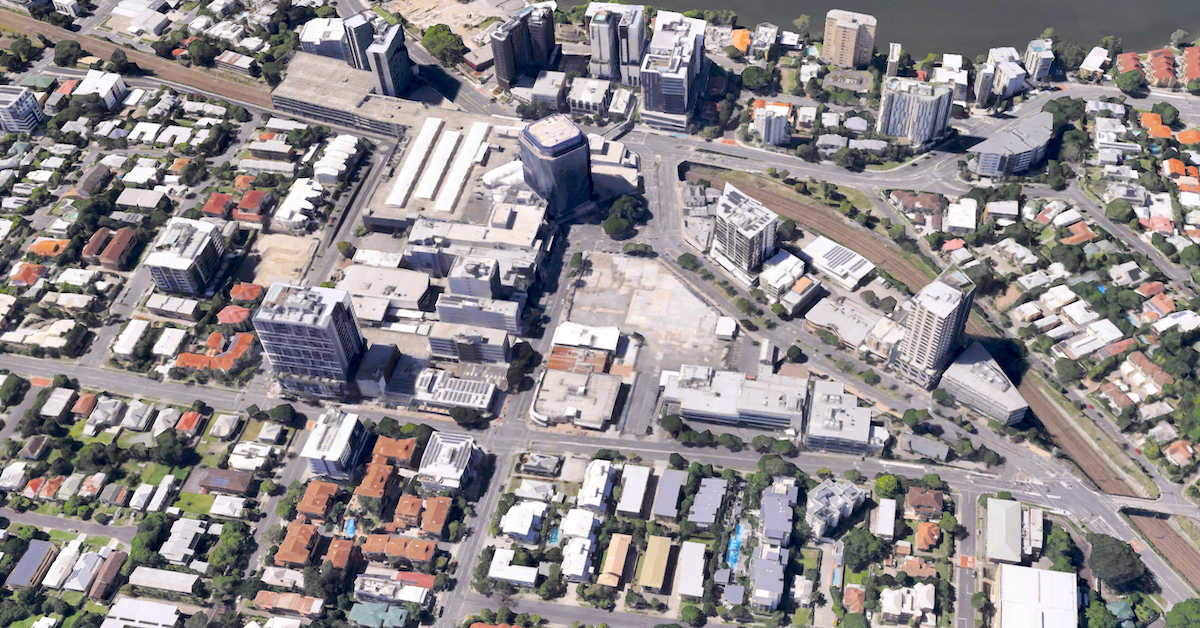
Plans for the prominent Toowong Central redevelopment have been placed on hold after the developer requested that Brisbane pause its assessment process to review community feedback and planning concerns.


Read: $1 Billion Toowong Central Precinct Proposed to Transform Inner West


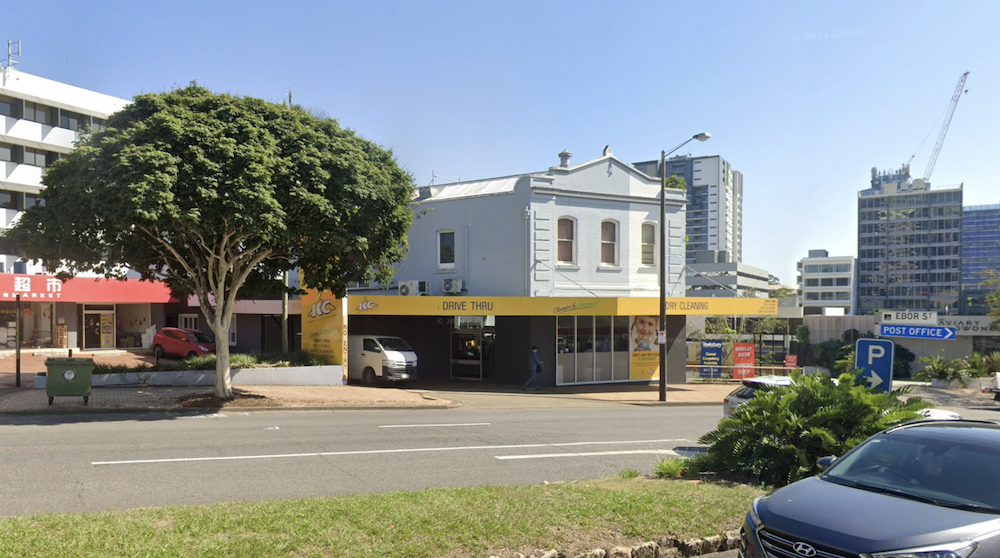
The project, located at 47 High Street in Toowong, was scheduled to enter its public consultation phase on 4 November 2025. However, the developer, Toowong Central Investment Holding Pty Ltd, has been granted a stop period of up to 130 business days — a move that could push consultation into mid-2026.

47 High Street (Photo credit: Google Street View)

The decision marks the latest delay for the long-vacant site, which has remained largely unused since the former Woolworths store was demolished several years ago.

A Landmark Proposal

Photo credit: Brisbane PD Online – A006836692

The estimated $1 billion proposal would see three residential towers of 49, 55, and 58 storeys erected on the site, making them among Brisbane’s tallest residential buildings outside the CBD. The scale of the development has drawn intense community and planning attention.

Brisbane has stated the proposed heights are a departure from those anticipated by its City Plan. The Council also flagged further scrutiny of issues such as building setbacks and separation, traffic modelling, heritage impacts (including the former Carver & Co building), and deep-planting/landscaping.

Local residents submitted around 28 formal responses before the pause was requested. Common themes included concern over excessive car-parking provision, demand for increased public open space, improved active and public transport infrastructure, and worry that the project favours private benefit over community outcomes. Some submissions noted that height itself was less of an issue so long as infrastructure and public-benefit outcomes were strong.


Read: ‘Better Uses’ Than Parking at Toowong Central Site, Say Residents


Developer’s Pause Raises Questions

Towers at Toowong Central Redevelopment (Photo credit: Brisbane PD Online – A006836692)

In October 2025, BCC took the rare step of ordering upfront public notification rather than issuing a standard further-information request, citing the proposal’s scale and the high level of community interest. The request for a stop period came only weeks later.

The stop period mechanism allows the developer to delay assessment for up to 130 business days, but the developer may elect to start public consultation earlier. If the full stop period is used, the Council indicates the notification window would commence on 12 May 2026 and run through to 19 May 2026.

State MP Michael Berkman said the delay reflects unresolved community concerns. “It’s frustrating to see this site continue to sit desolate and disused for even longer, but on the other hand, I think it’s quite telling that the developer doesn’t want to move to public consultation yet. No doubt they’ve realised that their proposal falls well short of community expectations. In my view, it’s a clear sign we can get a better offer.”

Berkman has called for any approval of the towers’ height to be conditional on at least 25 per cent of the homes being genuinely affordable, alongside better deep planting and public space outcomes. Meanwhile, social media commentary from the community has been mixed — some readers lament the delay amid a broader housing-supply shortage, others argue that scrutiny is justified given the project’s size.

What Happens Next

When the consultation phase opens, residents will be able to lodge formal submissions directly to BCC, which must consider this feedback before deciding whether to approve, refuse or require changes to the proposal.

While some members of the community hope the pause will lead to a revised scheme that better balances development ambition with Toowong’s character and liveability, others remain frustrated by the ongoing vacancy. For now, the empty block in the heart of Toowong continues to symbolise the suburb’s growth pressures and the ongoing debate about how Brisbane should evolve.

Published 6-November-2025

Olympic FC and Brisbane Boys’ College Form New Football Partnership in Toowong

Olympic FC and Brisbane Boys’ College in Toowong have launched a strategic partnership to enhance football and educational development, offering players and coaches new opportunities to access elite training programs and facilities across Brisbane.


Expanding Football Opportunities in Toowong

The partnership between Olympic FC and Brisbane Boys’ College establishes a collaborative platform for youth and coaching development. The agreement provides BBC students and staff with access to Olympic’s elite facilities at Goodwin Park while expanding the club’s schools program.

This initiative aligns with Olympic FC’s focus on strengthening its ties with educational institutions to promote football participation and learning opportunities across Brisbane.

Toowong football partnership
Photo Credit: Olympic FC/Facebook

Development Pathways and Coaching Support

Through the collaboration, BBC players will have the chance to trial and train with Olympic’s academy and development squads. Olympic coaches will work closely with BBC staff during training sessions and matchdays, ensuring a consistent approach to technical and tactical growth.

BBC coaches will also attend workshops led by Olympic’s UEFA Pro Licence Technical Director, Scott Guyett, further enhancing their professional development.

Olympic FC
Photo Credit: Olympic FC/Facebook

Building Community and Collaboration

Both organisations share a commitment to fostering football at all levels and supporting the next generation of players. Leaders from both sides have highlighted the benefits of shared training, community initiatives, and mutual learning for students and coaches alike.

The partnership also aims to create long-term pathways from school programs into professional and community football environments, reinforcing Toowong’s growing contribution to Brisbane’s football network.

Outlook


The alliance between Olympic FC and Brisbane Boys’ College represents a joint effort to elevate player and coach development, encourage collaboration, and build stronger links between education and sport in Toowong and across Brisbane.

Published 4-Nov-2025

Australia Post’s Peak-Me-Up Coffee Van Arrives in Toowong

Businesses in Toowong received a caffeine boost this November as Australia Post’s Peak-Me-Up coffee van stopped by to serve free St Ali coffee and T2 tea during the busy retail season.


Australia Post Fuels Businesses in Toowong

Australia Post’s travelling Peak-Me-Up coffee and tea van made its way to the Toowong Business Centre at 24 Ebor Street as part of a Queensland-wide initiative aimed at supporting businesses through peak trading periods. The stop formed part of the organisation’s national Peak Performance campaign, which celebrates the effort of business owners and workers handling the year-end surge in orders and deliveries.

The Toowong visit took place on Thursday, 20 November, from 9:00 a.m. to 10:30 a.m., offering complimentary St Ali coffee and T2 tea. The initiative gave business owners, eCommerce operators, and retail teams a brief opportunity to pause and recharge before returning to the demands of the season.

Supporting Peak Season Operations

Peak season represents the most intense period for online and retail trade, coinciding with major events such as Black Friday, Cyber Monday, and Christmas. During this time, Australia Post’s logistics network operates at full capacity to ensure timely parcel deliveries nationwide.

The Peak-Me-Up van’s Queensland route included stops at the Archerfield Business Centre on 19 November and the Gold Coast Business Centre on 24 November. Across these visits, expert baristas served the exclusive St Ali Peak-Me-Up blend alongside a selection of T2 teas, providing a small moment of appreciation for those working to meet seasonal demand.

Toowong coffee van
Photo Credit: Australia Post/Instagram

A National Effort to Connect and Recharge

The Peak-Me-Up coffee van travelled across Victoria, South Australia, New South Wales, and Queensland throughout October and November. Beyond delivering caffeine, it offered a chance for businesses to take a moment of connection and refocus amid the busiest time of year.

Australia Post stated the initiative serves as a gesture of gratitude to the thousands of Australian businesses that help sustain the economy and eCommerce sector during the holiday period.

 Australia Post
Photo Credit: Australia Post/Instagram

Looking Ahead


Following its Queensland visits, the Peak-Me-Up campaign continues across business hubs in other states, bringing with it a reminder that short breaks can help maintain performance through the peak season rush. Businesses in Toowong and surrounding areas are encouraged to stay informed about future visits and initiatives supporting local operations.

Published 31-Oct-2025

Brisbane Boys’ College Puts Toowong Heritage House Goldicott on the Market

Brisbane Boys’ College (BBC) has placed the heritage‑listed Goldicott House in Toowong on the market, only three years after acquiring the property. The private school has re‑evaluated its use of the 19th‑century estate that remains one of the area’s notable historic homes.


Read: BCC Saves Toowong’s Cultural Heritage Building – “Goldicott House”


Sale Details

The current offering includes the heritage home and its immediate grounds, while BBC retains an adjacent 6,629 m² block. The school originally considered incorporating the estate into its boarding facilities, but it has now opted to return the house to private residential use. Located around five kilometres from the Brisbane CBD, the property combines substantial land, period architecture, and a prominent position in Toowong.

The estate spans approximately 5,711sqm of land and includes around 737sqm of built space. The house features wrap‑around verandahs, mature gardens and commanding views of Brisbane, reflecting both its Victorian era pedigree and its continued landmark status in Toowong. Offers for the property are due to close on 26 November 2025.

Goldicott House: History and Significance

Photo credit: QLD Heritage Register

Goldicott House was constructed in 1885 for engineer Charles Lambert Depree and his family. Depree used a construction method he patented in 1871, and the house is recognised as one of the earliest poured‑concrete domestic buildings in Queensland. It is listed on the Queensland Heritage Register, entered on 26 November 1998.

In the early 1900s the property changed hands, and by 1903 the estate was acquired by the Sisters of Mercy and became known as Mount St Mary’s Convent. The grounds and building have been the subject of heritage protection over the years, including court decisions rejecting rezoning and subdivision proposals in 2018 and 2020.

BBC, together with the Presbyterian and Methodist Schools Association (PMSA), finalised contract terms for the 1.23‑hectare site adjoining the school in May 2022. The purchase price was reported at $17 million, with the previous developer having acquired the property for roughly $8 million. 


Read: Court Rules No to Goldicott House Rezoning and Development in Toowong


Goldicott House remains an important piece of Toowong’s architectural story. Its next caretakers will inherit not just a home, but a tangible link to Brisbane’s engineering and architectural past—while the estate’s heritage value continues to be safeguarded under its current listing and physical prominence in the suburb.

Published 30-October-2025

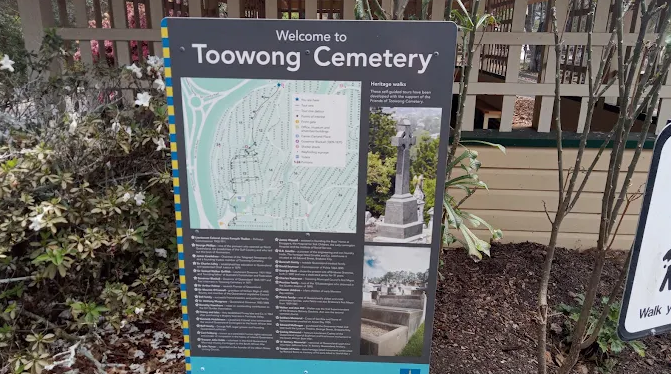
Toowong Cemetery and Other Queensland Sites May Run Out of Burial Space by 2035

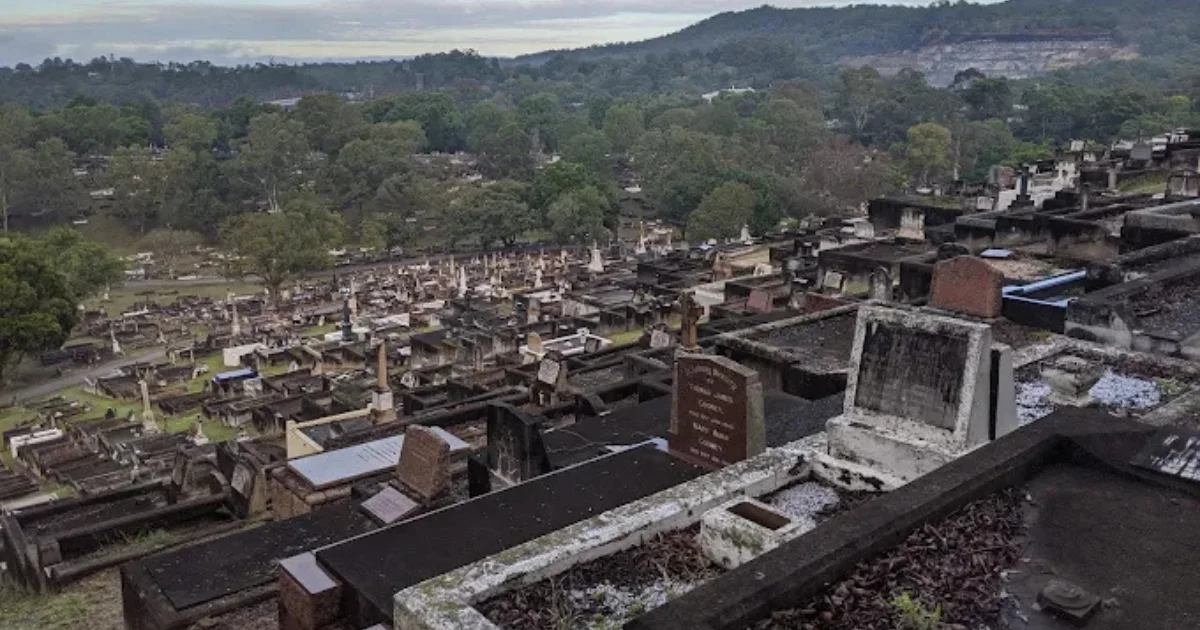
Queensland is facing a growing challenge. By 2035, the state could run out of room to bury its dead, with Toowong Cemetery, Brisbane’s largest cemetery, one of the sites in focus. Local authorities across the state are warning that population growth, an ageing population, and rising demand are placing significant pressure on burial space.


Read: Fact and Folklore Blur as Toowong Cemetery Tales Spread Online


New research from the Local Government Association of Queensland (LGAQ) shows many Councils expect their existing cemetery land to reach capacity within the next 10 to 15 years. Unlike most other land uses, cemetery plots are treated as permanent in Queensland. Once used, they are rarely reused, and the scarcity of suitable new land means councils have limited options for expansion.

Alison Smith, CEO of the LGAQ, stated that councils have been studying these statewide challenges and are collectively urging the State to collaborate with them on planning the future of cemeteries across Queensland.

“We need a holistic, strategic and statewide approach to considering and addressing these issues,” Ms Smith said.

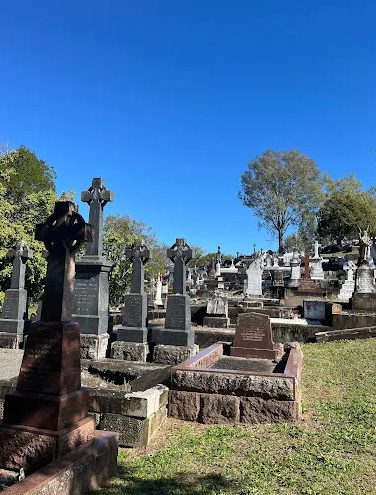
Toowong Cemetery, located in Brisbane’s inner west, has long served as the resting place for many families and is recognised as the city’s largest cemetery. In other parts of Queensland, local authorities are already grappling with both space and cost pressures, managing land, securing new sites, and maintaining ageing cemetery infrastructure under financial strain.

Photo credit: Ruth Mavroleon/Google Maps

The issue is not solely logistical but also cultural. Some religious communities, including Muslim, Jewish, and Eastern Orthodox groups, adhere to burial traditions that limit the wider adoption of cremation, which in turn adds to pressure on land. In other jurisdictions, grave reuse or renewable tenure systems have been introduced. In Queensland, however, perpetual burial rights remain the norm, limiting flexibility in managing space.

Strategies and Suggestions for Sustainable Cemetery Management

Photo credit: Sonia Ho/Google Maps

Industry experts and councils are advocating for a range of strategies to manage the impending space shortage. One proposed measure is the adoption of renewable tenure for burial plots, where graves are leased for a defined period and may be reused afterwards, a model already in use in parts of Australia and internationally. Such a change could significantly increase the functional life of cemetery land.

Other practical strategies include allowing multiple internments, for example, family members sharing a single plot, and deeper graves to maximise space. These approaches require careful consideration of safety and cultural comfort during burial services.

Cremation is another frequently discussed alternative. While less land intensive, its acceptability varies by community and religious tradition. Advocates are encouraging councils and the state to develop policies that make cremation a culturally sensitive and accessible choice where appropriate.

Local authorities are calling for a statewide strategy that brings together the state, local councils, cemetery operators, and community representatives. The objective is to plan for land supply, invest in infrastructure, respect cultural and religious needs, and ensure the long-term financial viability of cemetery sites.


Read: Toowong Cemetery Holds the Forgotten History of Susan McGowan


For Toowong and other Queensland cemeteries, the conversation is about more than land, it is about how communities honour their past while planning for future generations. With coordinated planning, innovative choices, and community engagement, Queensland may be positioned to balance tradition, memory, and sustainability in its cemeteries.

Published 29-October-2025

Global Cocktail Bar Death & Co. Chooses Toowong for First Brisbane Venue

Acclaimed US cocktail institution Death & Co. has selected Toowong for its first-ever Brisbane bar, announcing it will take over the subterranean space beneath the Regatta Hotel.


The celebrated bar, which first established itself as a New York City institution, will begin serving patrons in Brisbane later this summer. Its arrival is part of a wider Australian expansion, which includes a Melbourne venue set to begin operating in November. The move into Australia is a collaboration with the major hospitality group Australian Venue Co.

A New Era for a Familiar Space

Death & Co
Photo Credit: Death & Co/ Facebook

For many locals, the most exciting detail is the venue’s location. The new cocktail bar is currently taking shape in the space beneath the Regatta Hotel, a spot previously home to The Walrus Club. This signals a significant new chapter for the popular Toowong landmark, bringing a different style of world-class service to the riverside community.

From East Village to Brisbane River

Death & Co
Photo Credit: Death & Co/ Facebook

Death & Co. first made its name in Manhattan’s East Village in late 2006, quickly building a reputation for its creative team and commitment to quality. The brand’s philosophy focuses on restoring a sense of class and flavour to the specialty cocktail, aiming to create exceptional experiences for its patrons. While it has since grown with venues in Los Angeles, Denver, and Washington D.C., the company states its deep desire to be a centre for its communities has remained.

To ensure this standard is met in Queensland, newly hired Australian managers recently completed extensive training in the United States. This preparation aims to faithfully recreate the brand’s well-known service style and philosophy.


What to Expect

Once operating, the Toowong team will serve the brand’s iconic signature drinks, including the Naked & Famous and the Oaxacan Old Fashioned. Patrons can also look forward to a range of new menu additions that have been created with local inspiration. Community members are advised to watch for more details as the summer launch approaches.

Published Date 23-October-2025

A Grave in Toowong Holds the Story of a Forgotten Boxing Legend: Peter Jackson

On a quiet slope of Toowong Cemetery, a marble headstone bears the simple inscription: “This was a man.” It marks the resting place of Peter Jackson, a boxer once hailed as among the finest heavyweights in the world.


His story stretched from the Caribbean to the colonial ports of Australia and the boxing halls of London and San Francisco. Yet it ended here, in Toowong, far from the roar of the crowds that once cheered his name.

The grave connects Australia’s colonial sporting past with broader histories of race and ambition in the 19th century. For those who wander among Toowong’s shaded paths, Jackson’s name offers a glimpse into a history that is both global and deeply local.

From St. Croix to the Australian Colonies

Peter Jackson was born on 3 July 1861 in Christiansted, on the island of St. Croix in the Danish West Indies, now part of the U.S. Virgin Islands. His father was from Jamaica, and Jackson’s early years unfolded in a colonial Caribbean still shaped by the legacy of slavery.

Brought to Australia as a boy, he worked as a seaman and on the waterfront, physically demanding jobs that preceded his entry into boxing.

It was in Australia’s port cities that Jackson’s talent began to attract attention. Boxing in the late 19th century was a brutal but popular sport, a mix of spectacle and endurance.

Jackson, known for his skill and composure, stood out from many of the more straightforward sluggers of the era. He combined strength with a calculated, scientific style that earned him both respect and fear in the ring.

A Champion Emerges

Jackson’s rise to prominence came in 1886 when he defeated Tom Lees in the 30th round to win the Australian heavyweight title. The bout was grueling, but it announced Jackson as a major figure in the sport.

His reputation spread quickly beyond Australia’s shores, and soon he was fighting in Britain and the United States. There, he faced some of the best fighters of his era and defeated many of them, including George Godfrey and Joe McAuliffe.

In 1888, Jackson claimed the World Coloured Heavyweight Championship, a title created because Black fighters were excluded from competing for the sport’s official world crown. His technical style was widely praised by the boxing press of the time as refined and strategic. He was a powerful and precise fighter who relied on intelligence as much as strength.

Yet despite his record and widespread admiration, Jackson was repeatedly denied the chance to fight for the official world heavyweight title. The informal but rigid “colour bar” prevented him from challenging white champions like John L. Sullivan. Sullivan, regarded as one of the era’s greatest fighters. He refused to face Jackson in the ring. It was a decision historians still regard as one of boxing’s most significant missed contests.

A Global Career and Its Toll

The years that followed took Jackson across continents. He fought in major venues in Britain and America, drawing significant attention and praise from contemporary newspapers. Yet the relentless travel, physical punishment, and constant fight schedule took a toll on his body.

By the mid-1890s, Jackson’s health was in decline. He suffered from tuberculosis, a disease that was often fatal in the 19th century and particularly devastating for athletes whose strength was their livelihood.

Contemporary reports described Jackson as a man of dignity and character, qualities that maintained his reputation even as his career waned. Eventually, his illness forced him to step away from the sport that had defined his life.

Final Days in Queensland

Jackson returned to Queensland as his health worsened. He spent his last months in Roma, a small town west of Brisbane, where he received care while battling tuberculosis.

On 13 July 1901, Peter Jackson died at just 40 years old. News of his death spread quickly, and tributes appeared across the Australian press. Newspapers described him as one of the finest heavyweights never to fight for the world title, a man whose career was shaped as much by prejudice as by talent.

Plans were soon made to bring Jackson’s body back to Brisbane for burial. A funeral procession accompanied his coffin through the city, with members of the public and the sporting community gathering to pay their respects. On 16 July 1901, he was laid to rest at Toowong Cemetery, his grave marked with a marble headstone funded by public subscription. The inscription, “This was a man,” reflected the deep respect and admiration held for Jackson.

Toowong: The Keeper of His Legacy

Today, Jackson’s grave is among the most notable sites in Toowong Cemetery. Located in Portion 5, Section 28, Grave 1, it is a point of interest for boxing historians, local researchers, and visitors interested in Queensland’s past. The site serves as a physical reminder of a man whose story might otherwise have been lost to time.

Toowong’s connection to Jackson shows how Queensland became the final chapter of a life lived across continents and shaped by the global forces of empire, sport, and race. More than a century after his death, the cemetery continues to be a place where people come to learn about the man beneath the stone — not just a boxer, but a figure who challenged the limits placed upon him and left a legacy that stretched far beyond the ring.

Peter Jackson’s contributions to boxing were eventually recognised long after his death. In 1990, he was inducted into the International Boxing Hall of Fame, a belated but significant honour that placed his name alongside the sport’s greats.


Published 21-Oct-2025

$1 Billion Toowong Central Precinct Proposed to Transform Inner West

A $1-billion proposal for the Toowong Central precinct has been lodged, outlining plans for three high-rise towers, new retail and office space, and a network of public plazas that would reshape the heart of Brisbane’s inner west.


Read: Toowong Site Sold to Gold Coast Developer as Locals Watch for What Comes Next


Elements of the Planned Development

The application, lodged by Verso Development Group and designed by Kerry Hill Architects with landscape input from PWP and Urbis, outlines the creation of “Toowong Central,” a 14,126-square-metre precinct bounded by Sherwood Road, Jephson Street, and High Street.

Photo credit: Brisbane PD Online – A006836692

Central to the proposal (A006836692) are three residential towers rising to 58, 55 and 49 storeys. Together, they would deliver 1,104 apartments across one to four-bedroom layouts, including penthouses. 

Photo credit: Brisbane PD Online – A006836692

Each tower would feature “slot gardens” to break up the vertical form, contributing to a subtropical aesthetic. The proposed heights are more than double the 25 storeys permitted under the current Toowong–Auchenflower Neighbourhood Plan.

The development site, now largely vacant, sits directly opposite Toowong Village and the train station. It was previously home to one of the suburb’s earliest supermarkets — a standalone Woolworths that traded until 2017.

Toowong Central
Photo credit: Brisbane PD Online – A006836692

At podium level, Toowong Central is planned to host more than 12,000 square metres of retail and dining, anchored by a full-line supermarket, specialty shops, restaurants and cafes. Office tenancies are also proposed, reflecting demand for flexible workplace options in Brisbane’s inner west.

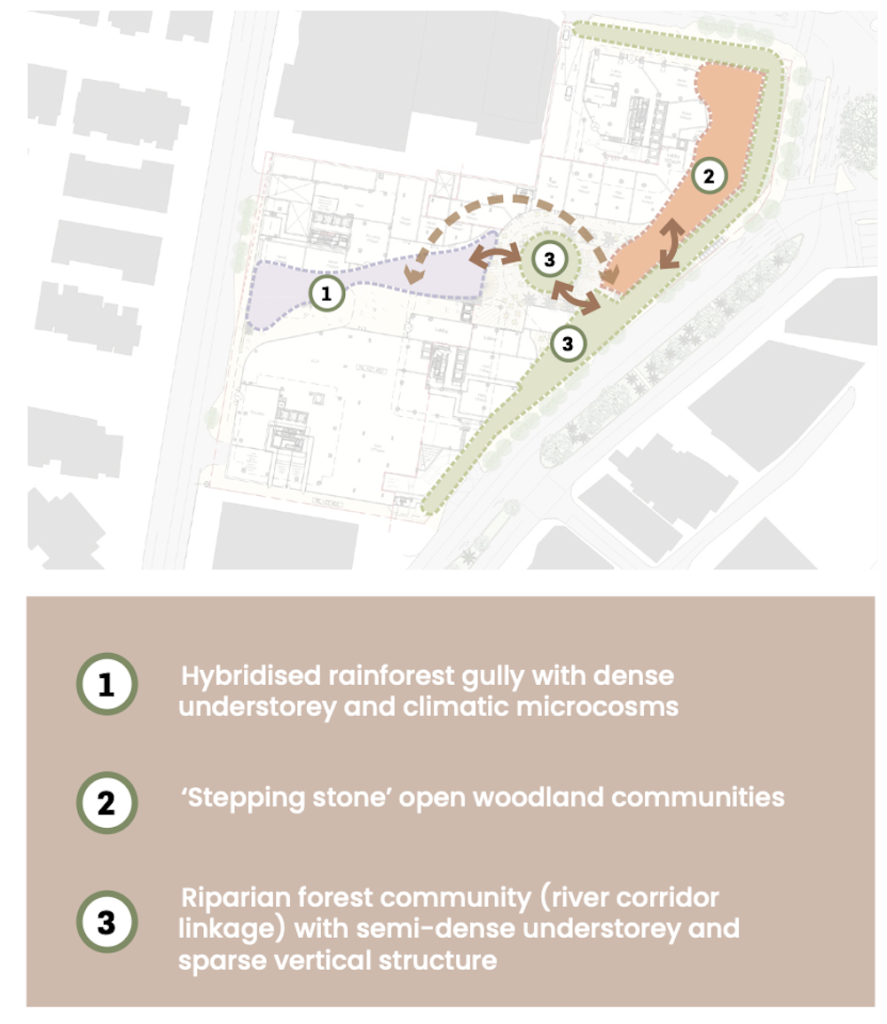
A strong focus has been placed on open space and community areas, with 4,500 square metres of landscaped gardens, rooftop terraces, recreation decks and pools for residents. Four major public spaces are planned, including Sherwood Plaza on Sherwood Road, High Street Park, a civic central plaza, and Jephson Terrace, which steps down to Jephson Street. These areas are designed for outdoor dining, water play, art installations and informal gatherings.

Toowong Central
Photo credit: Brisbane PD Online – A006836692

Community Concerns

However, concerns have been raised about the development. Greens MP Michael Berkman points out that while the DA breaches existing height limits, there is no commitment to affordable housing.

He argues that if Council allows towers above the planning cap, at least 25% of the new apartments should be dedicated as affordable homes. On the green space promises, the developers advertise 14,191 m² of “greenspace,” but Berkman calls this misleading.

Only 16.7% of the site would be genuinely public green space, with the rest made up of private gardens, planter boxes, and vertical green walls. He also notes that just 6% of the site is allocated for deep planting—below the 10% code minimum—describing the current approach as “greenwashing.”

Site and Location

Town planning firm Urbis, which prepared an assessment report for Toowong Central Investment Holding Pty Ltd, said the scheme made efficient use of the irregularly shaped block, which fronts three major streets. Landscape architects have described the precinct as an “urban forest” concept, drawing inspiration from Toowong’s history as a gathering place.

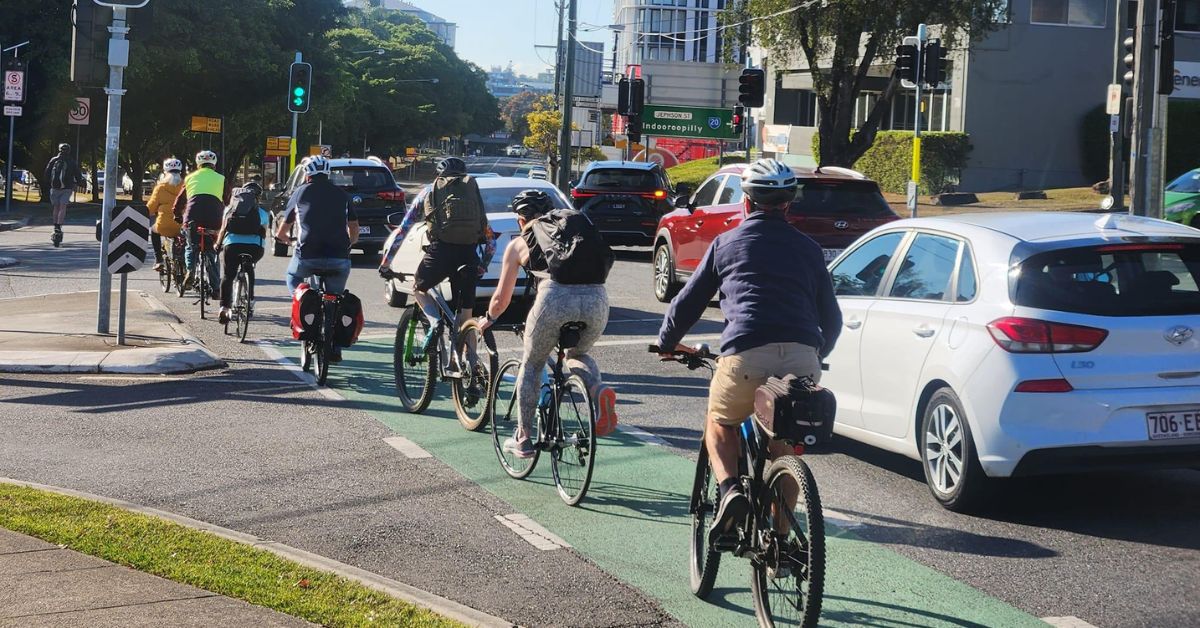
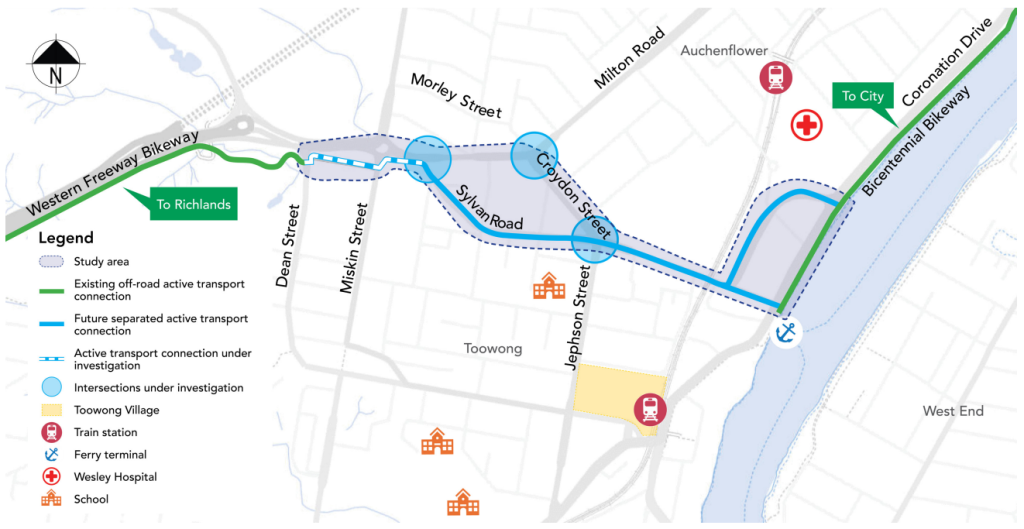
With direct access to Toowong Station and the Bicentennial Bikeway, the development aims to establish itself as both a residential hub and lifestyle destination.


Read: Sylvan Road Site Targeted for Medium-Density Development


Residents will be given the opportunity to lodge submissions about the proposal. If approved, Toowong Central would be one of Brisbane’s most significant urban renewal projects, reshaping the suburb’s skyline and redefining its civic heart.

Published 19-October-2025