

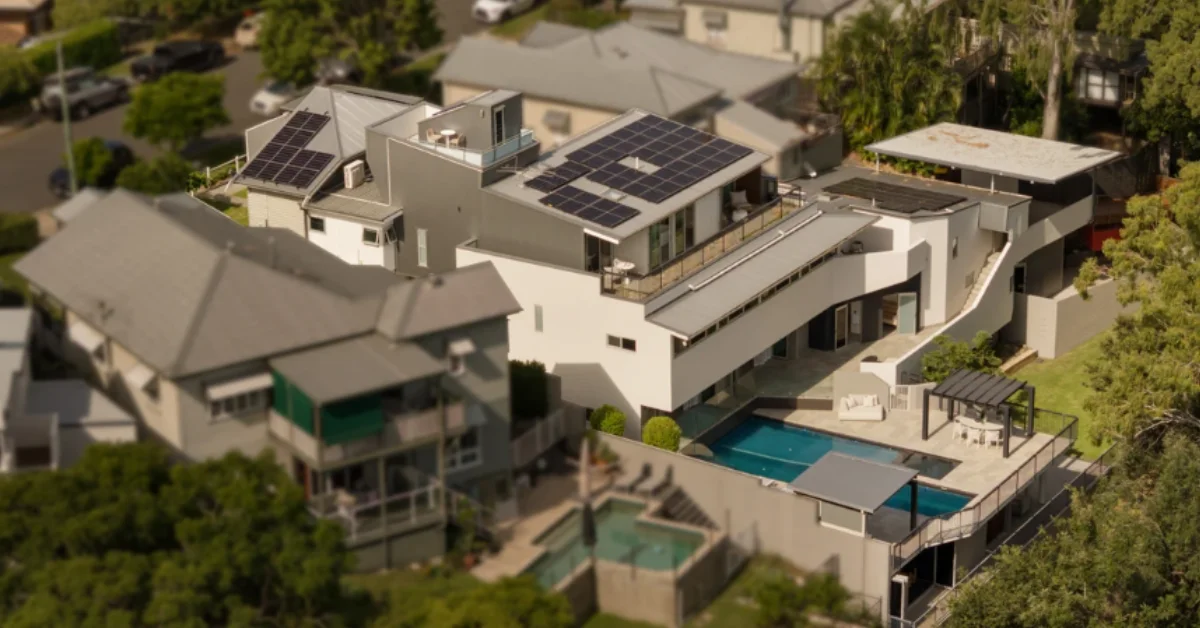
Grove Crescent in Toowong is a tightly held street known for its character homes, but one address stands apart for a very different reason. One property, once described as the worst house on the street, has been transformed from a derelict shack into a substantial family residence and is now set to go to auction.
Read: Court Rules No to Goldicott House Rezoning and Development in Toowong
Owner Rebecca Kenny first purchased 41 Grove Crescent in 2007 at auction for $827,000. At the time, the property was already in severe disrepair and largely considered uninhabitable in parts. Despite its condition, it was a rare opportunity in a street she was already familiar with, having been living nearby and gradually acquiring adjoining land.



The home had been occupied for around 60 years by its previous owner, Peggy, who had lived there for most of her life. While the property carried decades of history, it had deteriorated significantly by the time it changed hands.
When Ms Kenny took ownership, the extent of the condition became immediately clear. Parts of the house had no floorboards, with carpet laid directly over unstable sections, and the structure was supported in part by a large Chinese elm tree. The interior also required extensive clearing, including the removal of several cubic metres of accumulated belongings before any rebuilding work could begin.

The challenges did not end there. During early works, contractors discovered ammunition believed to have belonged to the previous owner’s late husband, which resulted in the site being temporarily closed for safety. Additional delays were also caused by ageing sewer infrastructure on the block that required careful management and replacement.

Because of character requirements, the existing façade of the home also had to be retained and rebuilt rather than completely removed. This added complexity to the project and influenced how the redevelopment progressed over time.
Construction was further affected by broader environmental conditions during the build period. Drought conditions in Brisbane, followed by the 2011 floods, contributed to material shortages and slowed progress across the industry at the time.
Despite these challenges, the project moved forward under the design of architect John Price, who was also a resident of the street. The redevelopment was ultimately completed in 2011, transforming the original structure into a multi-level home designed for long-term family living.



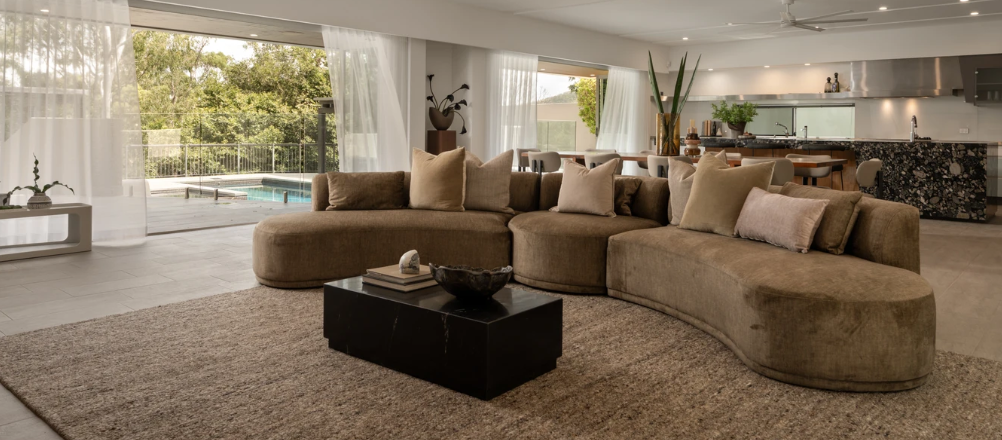
Today, the residence spans four levels on a 1,262sqm block and includes eight bedrooms. It has been designed with multiple living zones to accommodate both family life and entertaining, with spaces that allow separation as well as connection across the home.
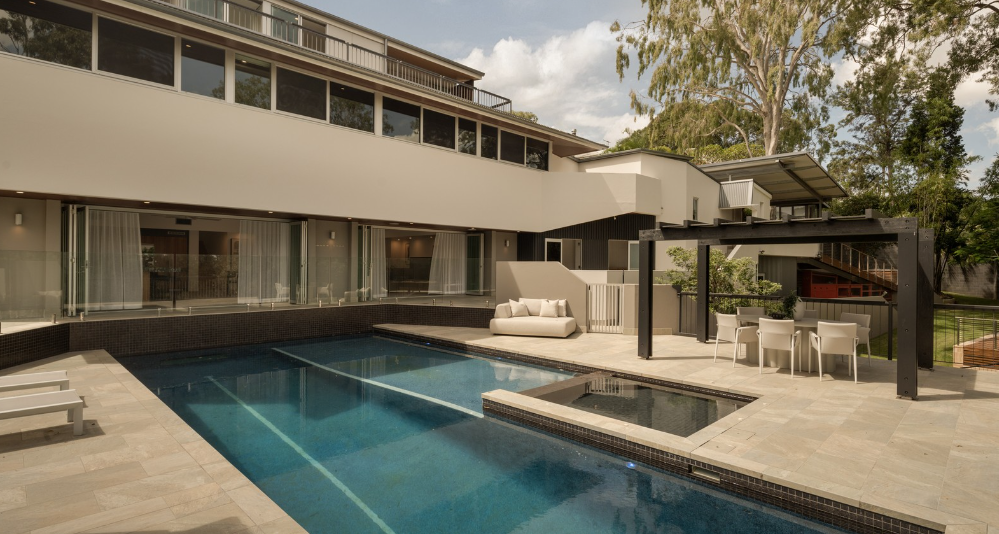
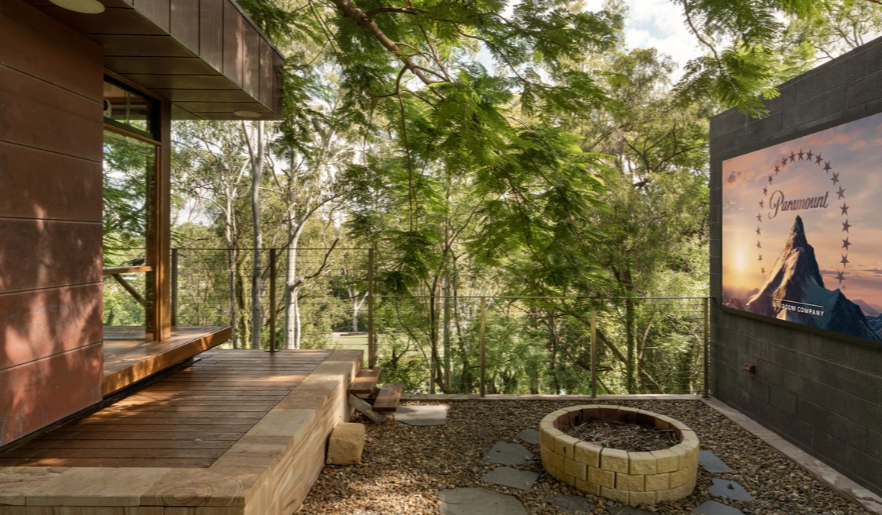
Key features include a wellness retreat overlooking surrounding treetops, a wine cellar, office spaces, and a rooftop terrace with views towards the Brisbane city skyline. The property also includes a swimming pool and spa, barbecue pavilion, outdoor cinema with firepit, basketball half court, landscaped lawns, and a dedicated car display area.
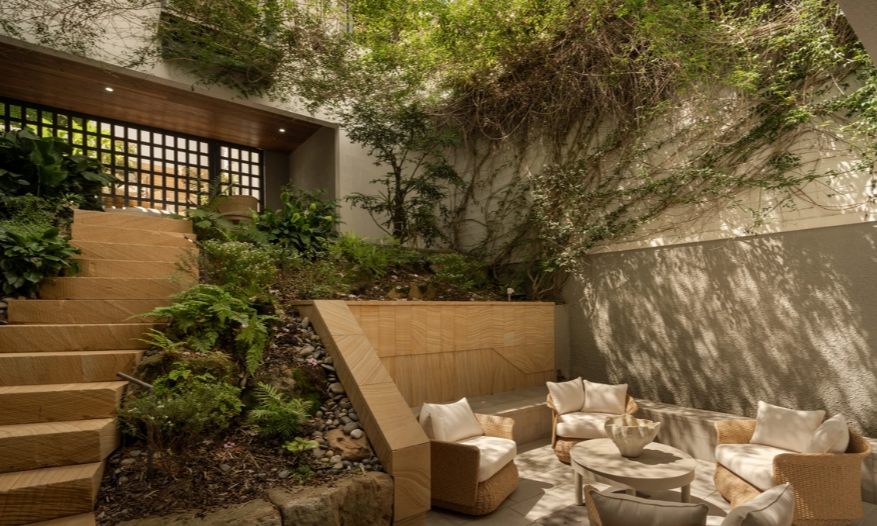
From the street, the home presents as a modest cottage-style dwelling, a contrast that has often surprised visitors. Once inside, the scale of the property becomes apparent as it opens across multiple levels, extending well beyond its initial street presence.
Over the past 15 years, the home has been used as a long-term family residence for Ms Kenny and her four children. It has hosted everyday family life as well as gatherings, including poolside summers, outdoor movie nights, and music rehearsals.
Read: Toowong, Then and Now: What a Lifetime in Real Estate Lets You See
Now, after more than a decade as a family home, 41 Grove Crescent is being prepared for auction on May 2 through Reuben Packer-Hill of Ray White. The property’s journey reflects a significant residential transformation, from a severely deteriorated house to a fully rebuilt family home in one of Toowong’s most established streets.
Published 20-April-2026