
After Half a Century, Army Cadets March Back to Brisbane Boys’ College

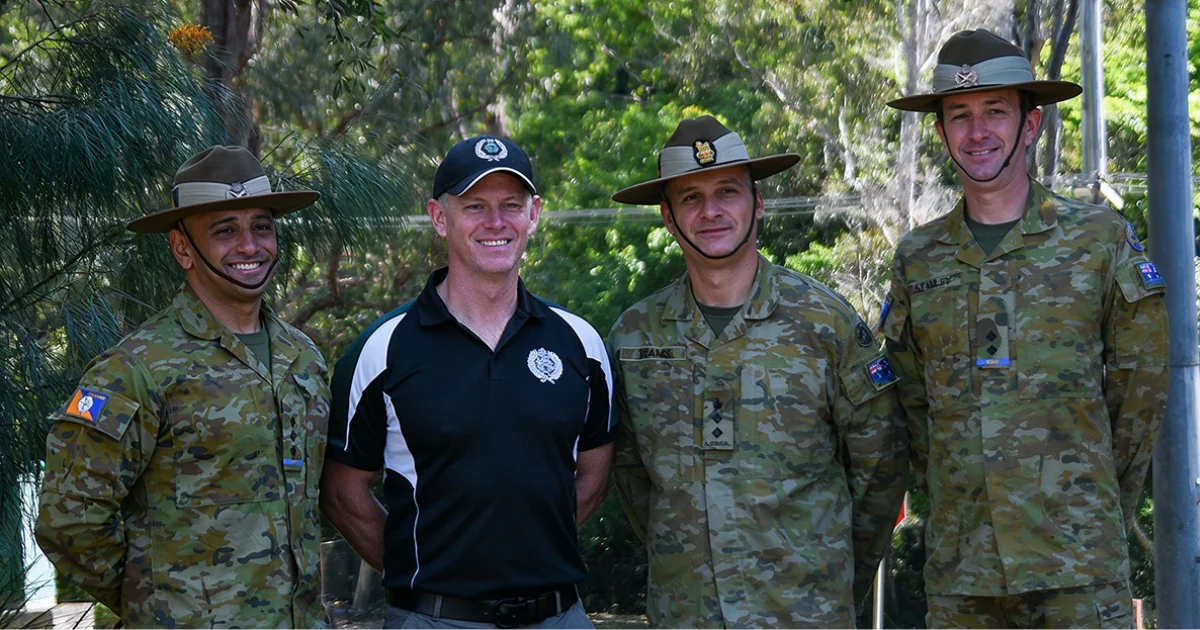
Brisbane Boys’ College (BBC) in Toowong has officially become home to the newest Australian Army Cadets unit in the South Queensland Brigade, a milestone the BBC Old Collegians Association has described as the continuation of a proud tradition.


Read: World-Class BBC Pipe Band Delivers Award-winning Performances at Royal Edinburgh Military Tattoo in Front of Worldwide TV Audience


The unit held its first parade on 2 March, marking the formal re-establishment of a cadet tradition that stretches back more than a century. The unit was officially re-formed recently, bringing to a close a hiatus of roughly 50 years.

A Tradition Rooted in History
Army Cadets
Photo credit: Instagram/BBC Old Collegians Association

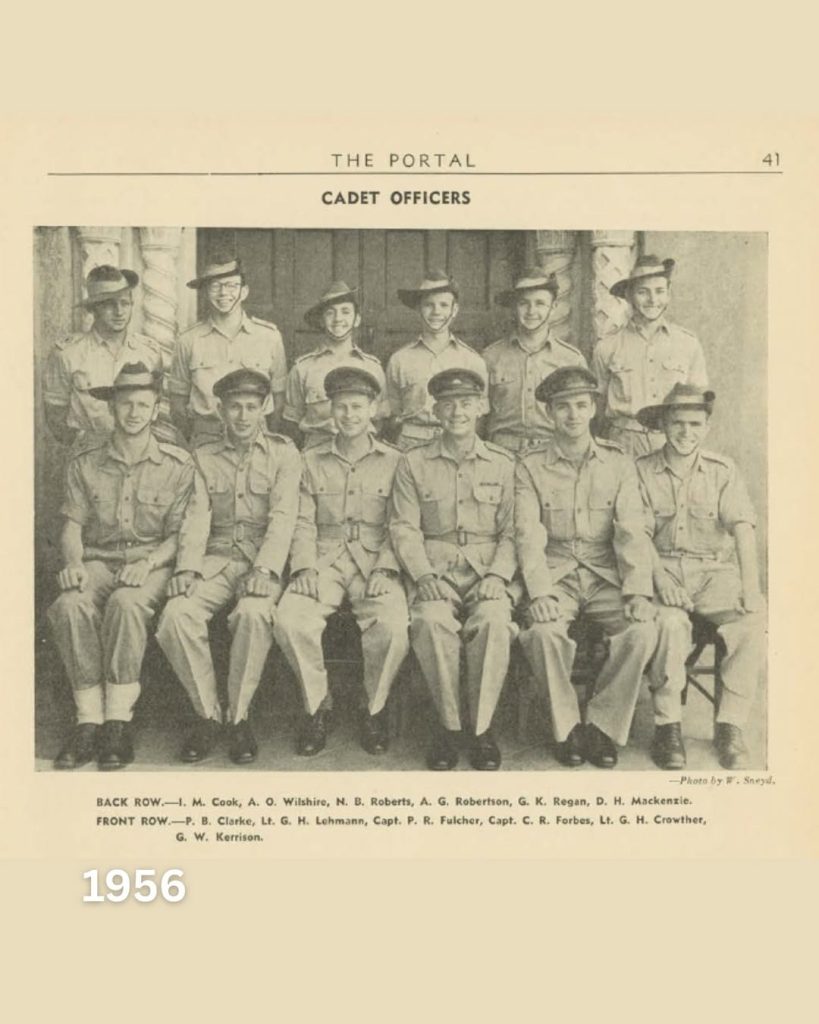
The story of cadets at BBC is one that spans generations. The Cadet Corps was first established at the College in 1912, on the eve of the First World War. The program endured through the decades, revived during the Second World War, when 200 boys reportedly formed five platoons on the school grounds. In 1962, the College expanded the program further with the launch of an Air Training Corps, according to the College. The program was not revived again after 1975.

The Road Back

According to the South Queensland Brigade, Brigade Commander Colonel Arthur Tsamis personally welcomed the BBC Principal and two prospective unit staff members to AFX25, described as a field exercise for Army Cadets, giving them a ground-level look at what the cadet experience involves. The visit appears to have been a significant step in the unit’s formation.

Brisbane Boys’ College described the re-establishment in strong terms, framing it as more than the return of a program. In a post on the College’s social media, BBC described the return as “History renewed. Tradition restored. Servant leadership reimagined.”

The BBC Old Collegians Association was equally enthusiastic. In a post ahead of the first parade, the Association described cadets as sitting alongside the boater, the pipes and drums, boarding life, and the College’s green, white and black sporting heritage as one of the traditions that have historically shaped character at BBC. “From one generation to the next, the legacy continues,” the Association wrote.

Part of Something Bigger

Australian Army Cadets is a youth development program run in partnership with the Australian Army. With BBC now the newest unit in the South Queensland Brigade, the school joins a network of cadet units across the region. The Brigade has indicated that more updates from the new unit are on the way.

Brisbane Boys’ College is a long-standing part of the Toowong community, and the return of cadets adds another thread to the fabric of an institution that has been part of this corner of Brisbane for well over a century.


Read: Brisbane Boys’ College Puts Toowong Heritage House Goldicott on the Market


The first parade has been and gone, and the Brigade has indicated there is more to come. After roughly 50 years away, the cadets are back.

Published 31-March-2026
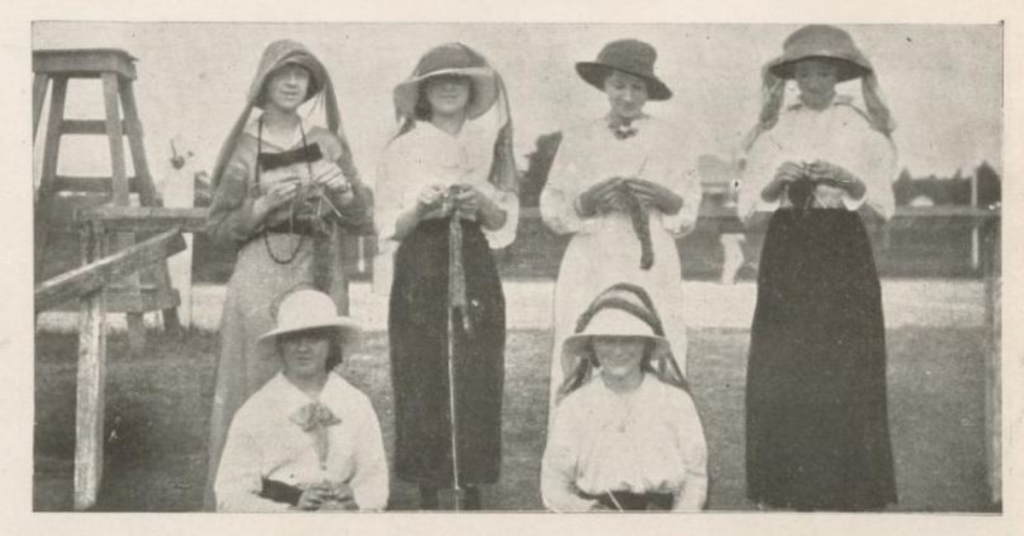
ANZAC Day: How Toowong Women Supported the Frontline

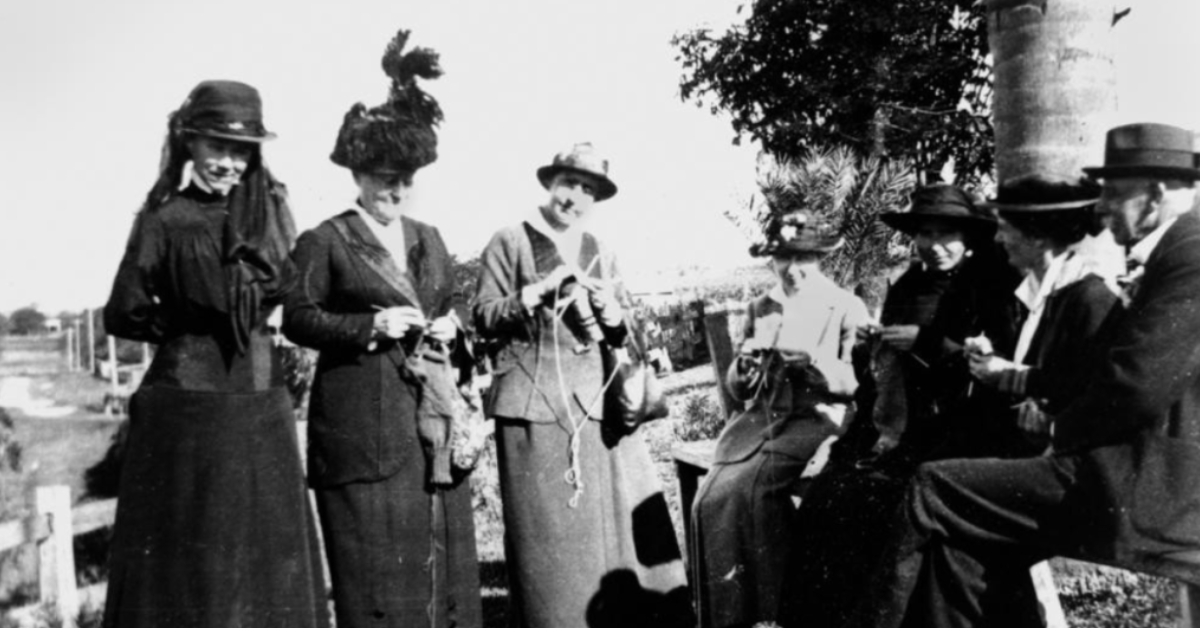
Toowong residents Mesdames Donaldson and Patterson led a dedicated local knitting circle that formed a vital link in a massive community network providing over 100,000 pairs of handmade socks to Queenslanders serving abroad.


A Royal Call to Action

Toowong
Photo Credit: State Library Queensland

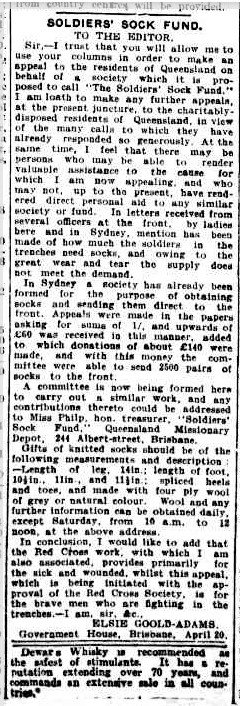
The movement began on April 19, 1915, during a meeting at Government House in Brisbane. Lady Goold-Adams, the wife of the Queensland Governor, gathered several influential local women to address a desperate need for warm clothing in the trenches. 

Officers from the front had written home explaining that the intense conditions caused footwear to wear out rapidly. The Queensland Soldiers’ Sock Fund was created to collect money for wool and distribute it to volunteers who could turn the raw material into finished garments.

Strict Standards for the Front

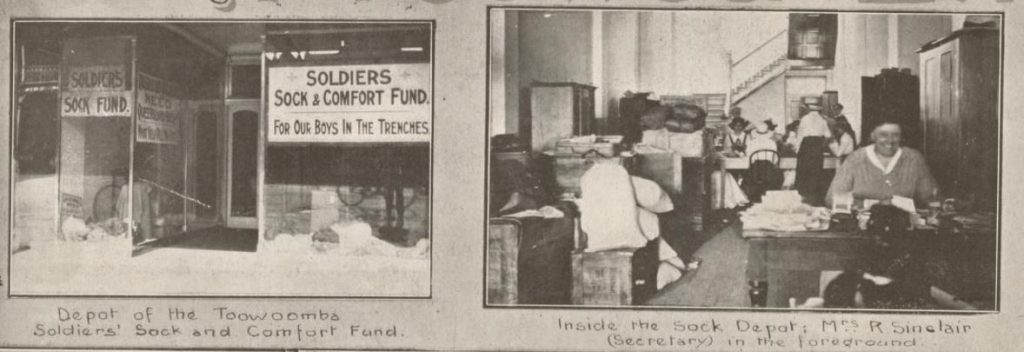
The headquarters for the operation was located at the Queensland Missionary Depot on Albert Street. From this central hub, the committee managed a sophisticated production line. Because the socks needed to be durable and fit properly, the fund issued specific instructions for all volunteers. Each sock was required to have a 14-inch leg and a foot length between 10.5 and 11.5 inches. 

To ensure they lasted as long as possible, the knitters used four-ply wool in natural or grey colours and included reinforced heels and toes. Every two weeks, the finished items were packed and sent to the Queensland Patriotic Fund for shipping.

A Network of Schools and Circles

Toowong
Photo Credit: State Library Queensland

The Toowong knitting circle was part of a much larger web of support that stretched across the entire state. In nearby areas, the Wynnum Patriotic Sewing League and Wynnum State School joined the cause. Other schools, including Brisbane Girls’ Grammar, Taringa State School, and Cleveland State School, also encouraged students to contribute. 

Regional branches appeared in towns such as Roma, Gympie, Townsville, and Mackay. Local newspapers supported the drive by publishing the names of everyone who helped, which kept the community motivated and aware of the ongoing need.


Remarkable Local Contributions

Toowong
Photo Credit: State Library Queensland

While many worked in groups, some individuals achieved incredible results on their own. Rebecca Balser, an 83-year-old resident of Teneriffe, gained recognition in early 1916 for her tireless work. She managed to knit 100 pairs of socks by herself, along with a collection of caps, scarves, and mittens. 

By the time the first annual meeting was held in May 1916, more than 19,000 pairs had already been sent to the front. The following year, an urgent appeal saw that number jump to over 45,000 pairs in a single twelve-month period.

Shifting Focus to a New Crisis

By the time the fund stopped its knitting operations in February 1919, it had raised more than £4,600, which is worth over $353,000 in modern currency. In total, the volunteers produced 104,594 pairs of socks. As the war ended, the community faced a new challenge with the arrival of the Spanish Flu pandemic. The same volunteers who had spent years knitting for soldiers were asked to use their skills to create influenza masks to help protect the public from the spreading illness.

Published Date 23-March-2026
Toowong Motorists Feel the Bite as Brisbane Toll Petition Hits 1,509 Signatures

Frustrated Brisbane motorists have put tolls back in the spotlight, with a petition calling for the removal of all tolls from the city’s bridges and tunnels attracting 1,509 signatures and drawing fresh attention to the cumulative cost of crossing the Brisbane River.


The petition, lodged by a Redbank Plains resident and tabled in March 2026, calls for tolls to be removed from Brisbane’s five tolled crossings: the Sir Leo Hielscher Bridges on the Gateway Motorway, the Go Between Bridge, the Clem7 tunnel, the Airport Link tunnel and Legacy Way. Together those five crossings have recorded around 490,000 motorist journeys since June 2025. Toll costs on the Airport Link alone rose 33 cents to $7.16 on 1 January 2026, continuing a pattern of annual CPI-linked increases that has steadily lifted the cost of using Brisbane’s tolled network year on year.

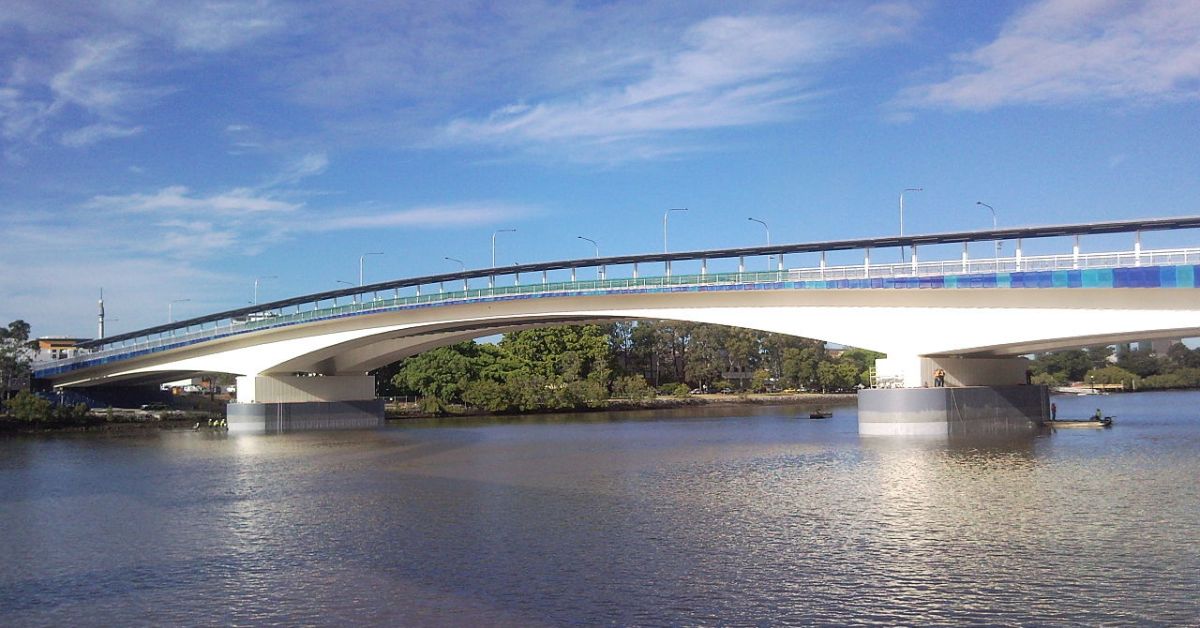
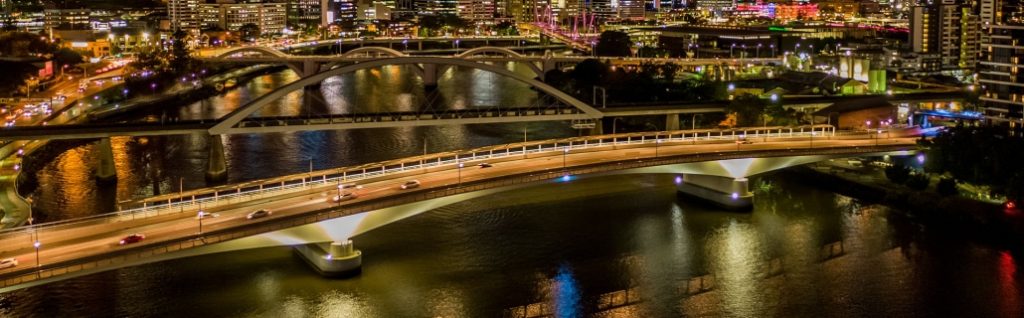
For Toowong residents, the Go Between Bridge is the crossing closest to home. The 300-metre span connects Coronation Drive at Toowong to the Inner City Bypass at Milton, carrying around 12,000 vehicles per day and providing one of the fastest cross-river connections available to inner-west commuters. Opened in July 2010 and now operated by Transurban Queensland under a concession running until 2063, the bridge was built at a cost of $338 million and was controversial from the outset, with the toll arrangement drawing community pushback at the time of its construction.

The Cost of Getting Around

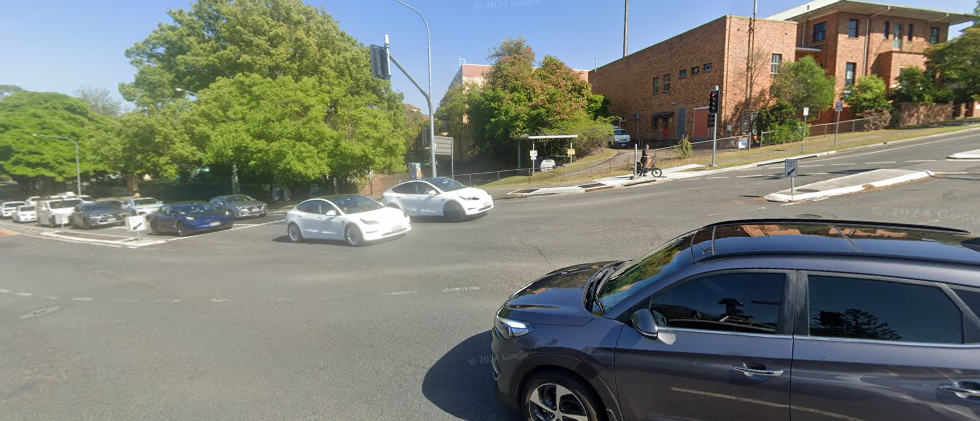
The toll debate sits against a wider picture of worsening congestion. Brisbane commuters lost an average of 84 hours to traffic delays in 2024, a 14 per cent increase on the previous year. That figure suggests toll roads are not reliably delivering the congestion relief that justifies their cost in the minds of many drivers, particularly those who pay tolls daily and still find themselves stuck in traffic on connecting roads.

Photo Credit: Google Street View

RACQ public policy head Dr Michael Kane offers a measured counterpoint. He notes that toll roads primarily function as a funding mechanism for major road projects rather than a guaranteed solution to traffic flow, and that removing tolls would not eliminate the construction debts that still need to be serviced. Making all toll roads free, he argues, is unlikely on its own to improve network performance, though he acknowledges that a broader review of how south-east Queensland plans and funds major road infrastructure is worth pursuing.

That tension, between the real daily cost to individual motorists and the financing reality of large-scale infrastructure, sits at the heart of the debate the petition has reignited.

A Long-Running Debate for Toowong

The Go Between Bridge has attracted scrutiny before. When it was built, community concern focused on whether the toll arrangement was fair for a crossing designed to connect the inner west rather than serve longer motorway journeys. Critics at the time pointed out that without adequate connecting roads, the bridge risked pushing additional traffic onto local streets in West End and Toowong rather than relieving congestion on them.

Tolls
Photo Credit: Seymour Whyte

That concern has not entirely disappeared in the years since. The bridge carries respectable daily volumes, but Toowong residents who use Coronation Drive regularly will recognise the congestion that builds around the bridge’s entry and exit points during peak periods. The arrival of major new developments along the Coronation Drive corridor, including the Monarch Residences at 600 Coronation Drive, will drive further vehicle movements to a stretch of road that is already under pressure.

Why This Matters to the Toowong Community

For Toowong households, the toll question is not abstract. Residents who commute across the Go Between Bridge to Milton or the inner city each working day clock up more than 200 toll charges annually. At current rates, the annual cost for a regular Go Between Bridge user hits hundreds of dollars on top of fuel, parking and registration costs, and that figure compounds if other parts of the Brisbane toll network also feature in their regular routes.

Whether the solution is toll removal, toll reform or better investment in public transport alternatives that reduce the need to drive, the petition reflects a genuine frustration from motorists who feel the cost of getting around Brisbane has grown faster than the quality of the experience. Toowong’s location, sitting between the Legacy Way tunnel to the north and the Go Between Bridge to the east, means residents interact with the toll network more directly than most.

Motorists wanting to track the petition’s progress or add context to the debate can view the petition details at parliament.qld.gov.au by searching petition number 4408-26.


Published 18-March-2026.

Proposed 17-Storey Tower at 44 Glen Road Divides Toowong Residents

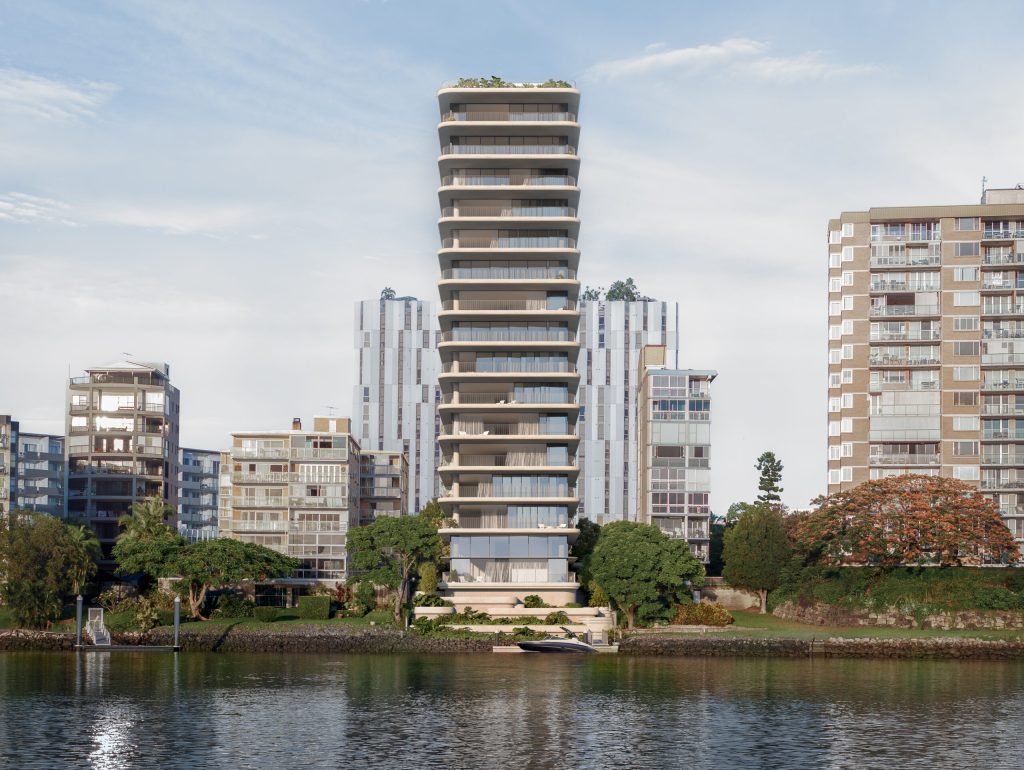
A development application seeking to more than double the height of an approved riverfront apartment building at 44 Glen Road, Toowong, from 8 to 17 storeys has drawn mixed reaction from nearby residents, with concerns about traffic, flooding and excavation impacts sitting alongside support for the site’s long-overdue redevelopment.


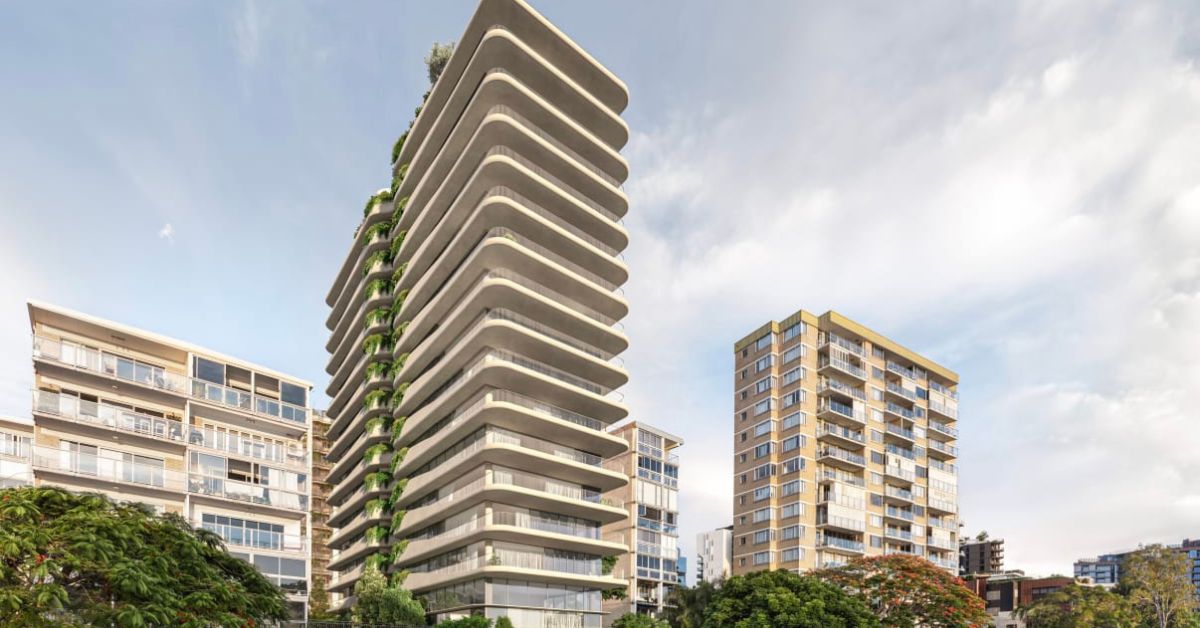
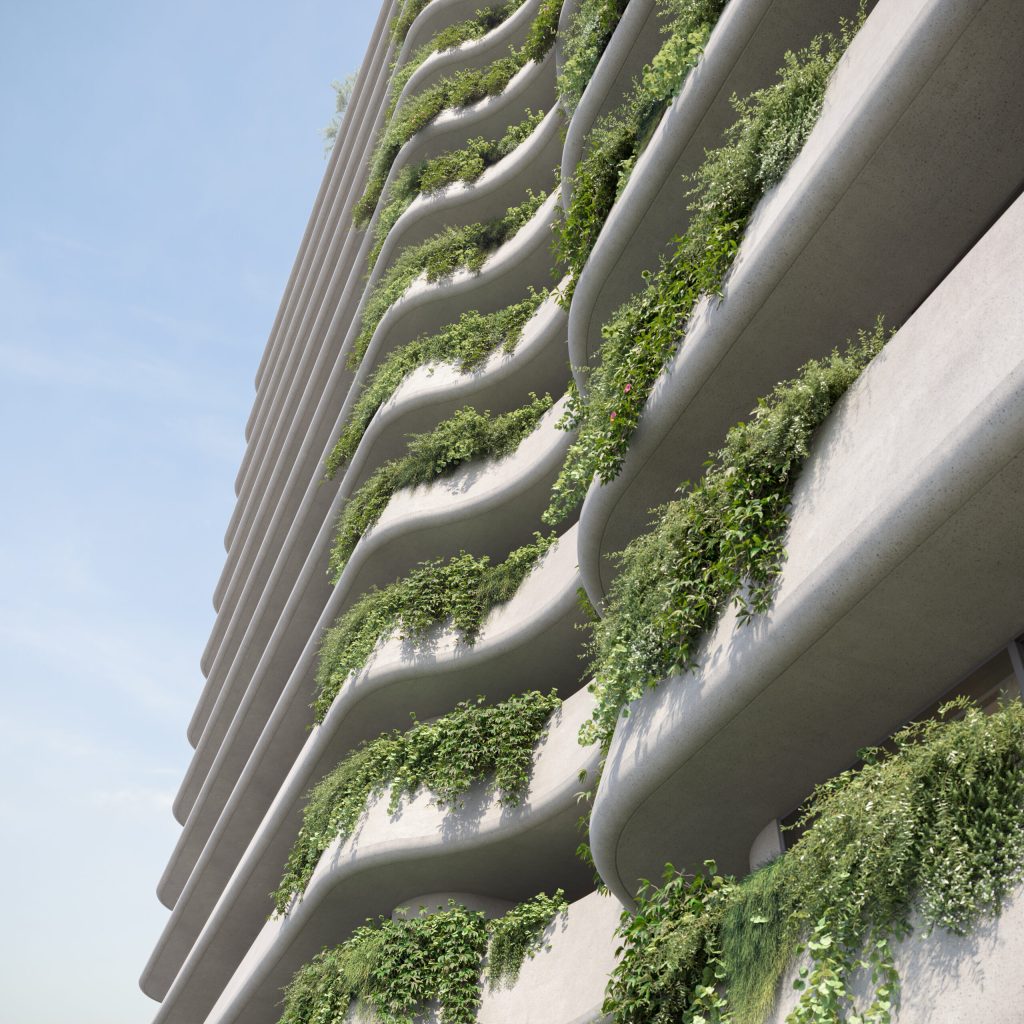
The applicant lodged application A006928427 in December 2025 to amend an existing approval for the site, formerly known as The Dell, after relocating the heritage property from the address. The amended design, prepared by Bureau Proberts Architecture with planning by Urbis, would increase the number of apartments from 22 to 42, expand basement parking from 60 to 101 spaces across three levels and consolidate communal open space to a rooftop terrace.

The site sits in the High Density Residential Zone under the Toowong-Auchenflower Neighbourhood Plan, which permits buildings up to 15 storeys. While the proposal is technically 17 storeys, Urbis notes in its planning report that it presents as 15 due to the slope of the site and the rooftop amenity design. The site is less than 400 metres from Toowong railway station, directly adjacent to Brisbane Street and within walking distance of Toowong Village, with 15-storey buildings already in the immediate streetscape.

Why the Design Changed

JLL and Colliers marketed the original approval for a 22-apartment, eight-storey scheme for sale in August 2025 and described it as development-ready with potential to increase the building height subject to further approval. The site then changed hands, and the new development team reviewed the project’s viability as the market had shifted considerably since the original design approval.

New Toowong development application near Glen Road
Photo Credit: Sammut Group

Toowong’s apartment market has moved sharply in that time. Unit values in the suburb surged 16.8 per cent over the past year, with rents rising 11.7 per cent to $670 per week. Across Brisbane more broadly, apartment prices climbed 15 per cent in 2025, following 16.6 per cent growth the year prior, while vacancy rates sit at a historically tight 0.9 per cent. The Coronation Drive corridor immediately west of the Glen Road site is also absorbing significant new supply, with the Monarch Residences development at 600 Coronation Drive adding to what is rapidly becoming one of Toowong’s most active development strips.

Against that backdrop, the development team’s rationale for scaling up the project reflects the same calculation reshaping apartment developments across Brisbane’s inner west. Urbis describes the changes as reflecting increased efficiency of land use to complement the emerging character of Toowong, a character that now includes several towers of 15 storeys or more in the immediate vicinity.

Photo Credit: Sammut Group

Support, But Not Without Reservations

One nearby resident who regularly cycles and walks along Glen Road expressed strong support, noting the site had been overdue for development given its walkable proximity to Toowong Village and the train station. Their only concern was the parking. At 101 spaces, the proposal sits close to double what the planning scheme requires for a site of this zone and location, which that submitter described as excessive given the high-quality public transport on the doorstep.

Traffic, Flooding and Ground Movement

Those who opposed the application raised three distinct concerns. On traffic, one submitter argues that the projected 70 per cent uplift in vehicle movements has not been adequately modelled at the Glen Road and Brisbane Street intersection, particularly as the nearby Monarch development at 600 Coronation Drive adds further load to the same corridor. The submitter also questions the proposed driveway width, arguing that it exceeds 30 per cent of the front boundary and that the application’s compliance claim does not align with the traffic report or the provided drawings.

Flooding drew separate concern, with published histories of The Dell, produced by the Toowong and District Historical Society, documenting multiple flood events at the address over the past century. With a larger basement now proposed below peak river height, the submitter argued the application’s flooding mitigation strategy needed considerably more rigorous treatment.

A third submission raised excavation impacts, with a neighbour reporting noticeable vibration in surrounding buildings during preliminary site works in early 2026. Given the amended design requires a tri-level basement, that submitter called for pre-construction structural surveys of neighbouring buildings, independent vibration assessments and ongoing ground movement monitoring throughout excavation. Many surrounding buildings date from the 1970s and 1980s and were not designed with deep basement excavation in mind.

A Corridor Mid-Transformation

Glen Road is not the only address on the street attracting development attention. A separate application for a 15-storey residential tower at 21-25 Glen Road proposes 28 three-bedroom apartments and draws on the same riverside context and proximity to Toowong station. Student accommodation at 33 Glen Road brought a 14-level tower to the street several years ago. The pattern points to a corridor in mid-transformation, with the built form shifting steadily upward and questions about how that transition is managed growing more pressing with each new application.

For Toowong residents watching the Glen Road streetscape change around them, the 44 Glen Road application is another chapter in that story. For more information, please click here.


Published 18-March-2026.

Toowong Locals Prepare for Annual Bowling for Millie Charity Event

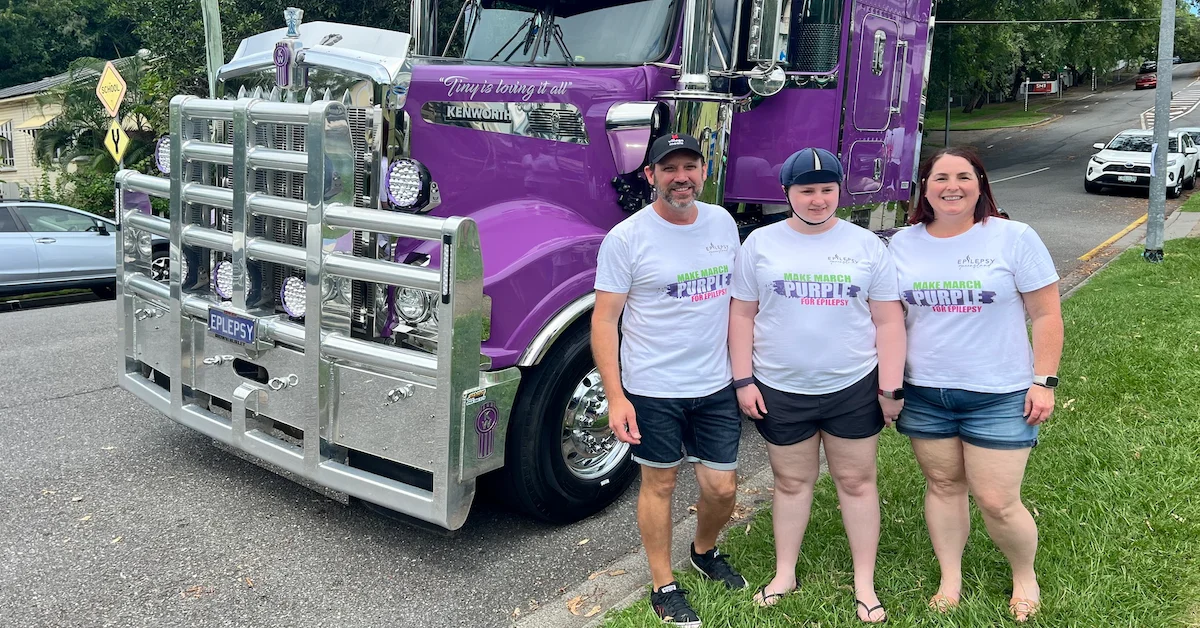
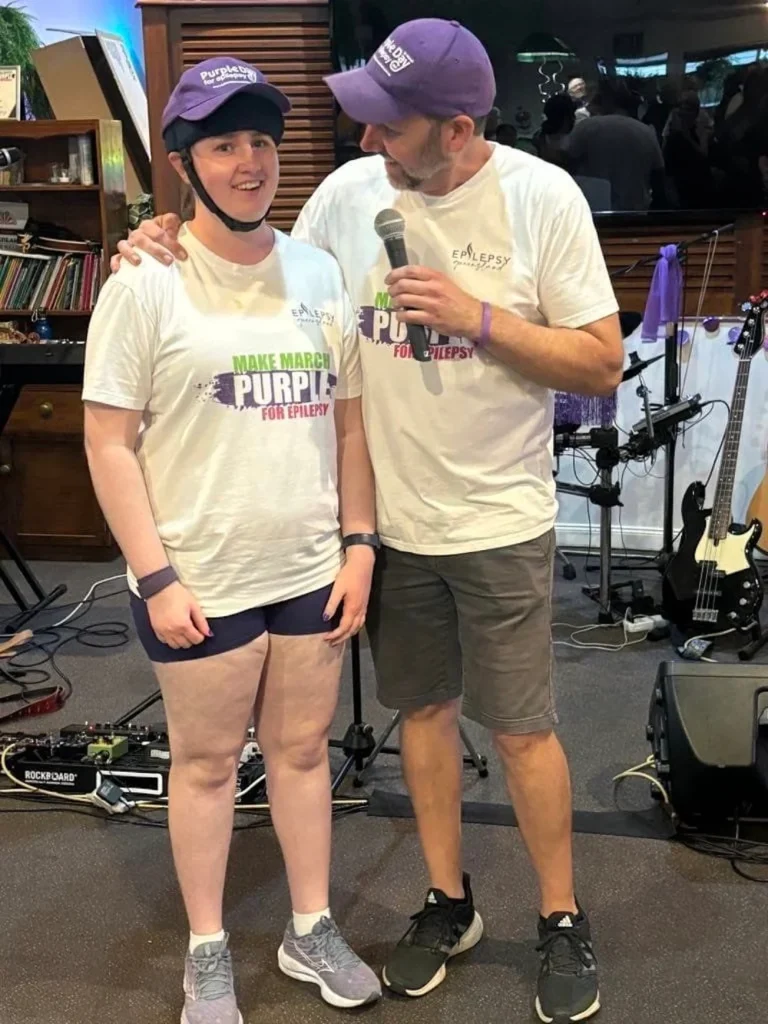
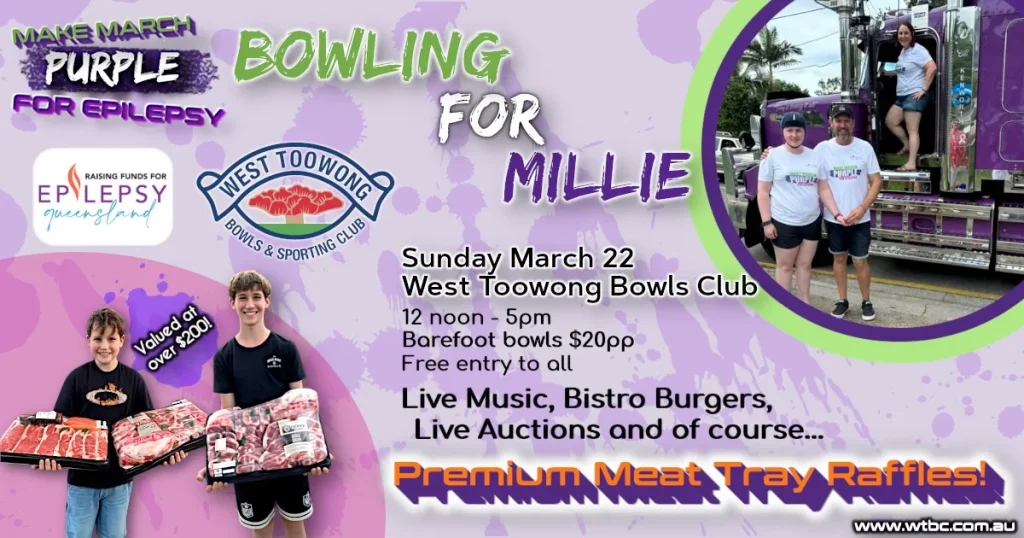
A community in Toowong is preparing to gather on the bowling green for a cause close to many hearts, as the West Toowong Bowls Club hosts its annual “Bowling for Millie” fundraiser supporting families affected by epilepsy.


The community event will take place on Sunday, 22 March at the West Toowong Bowls Club, bringing together residents, volunteers and local businesses to raise funds for Epilepsy Queensland.

The initiative began through the efforts of Toowong resident and butcher Tim Walsh from Toowong Village Meats, whose daughter Millie lives with epilepsy and experiences seizures that cannot be controlled by medication.

Photo Credit: Supplied

A Community Event with Personal Roots

The fundraiser was started more than two decades after Millie’s diagnosis, as her family searched for ways to support others facing the same challenges. Millie recently turned 21 and enjoys creative activities such as art, music and dancing. Her family has spent years managing the impact of epilepsy on daily life.

Mr Walsh has said the event is a way for Millie and the family to give something back to Epilepsy Queensland, an organisation that has spent more than 50 years helping families across the state with education, advocacy and practical support.

The event has grown into a strong community effort in Toowong, with the local bowls club, volunteers and nearby businesses contributing time, prizes and support each year.

Local Support Grows Each Year

Last year’s Bowling for Millie community day raised $15,320 for Epilepsy Queensland. This year, the organisers hope the Toowong community will once again come together and match or exceed that total.

Club president Richard Goldsworthy has said the bowls club has always been about more than sport, and that the Bowling for Millie event reflects the strong sense of care within the Toowong community. He noted that the support shown by members, volunteers and local sponsors demonstrates how neighbourhood groups can work together to help families facing difficult health challenges.

The event will include barefoot bowls on the green, live music performances during the afternoon and a range of fundraising activities organised by volunteers.

Photo Credit: Supplied

Entertainment and Fundraising on the Green

Visitors attending the day will find a lively community atmosphere with raffles, auctions and entertainment throughout the event.

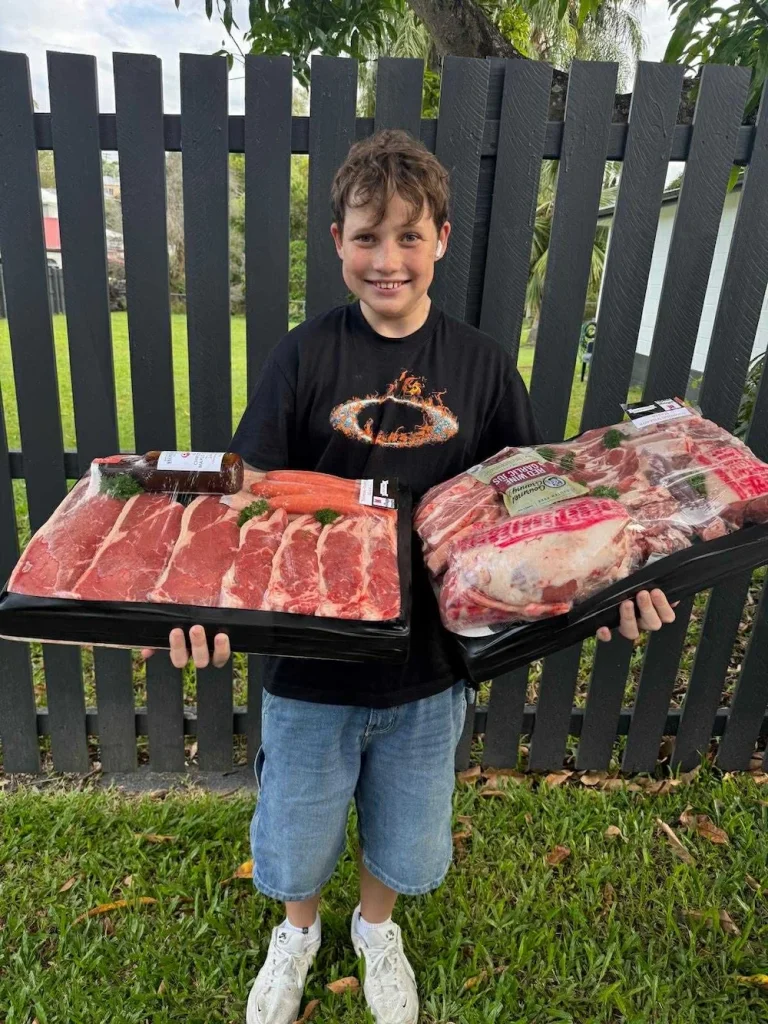
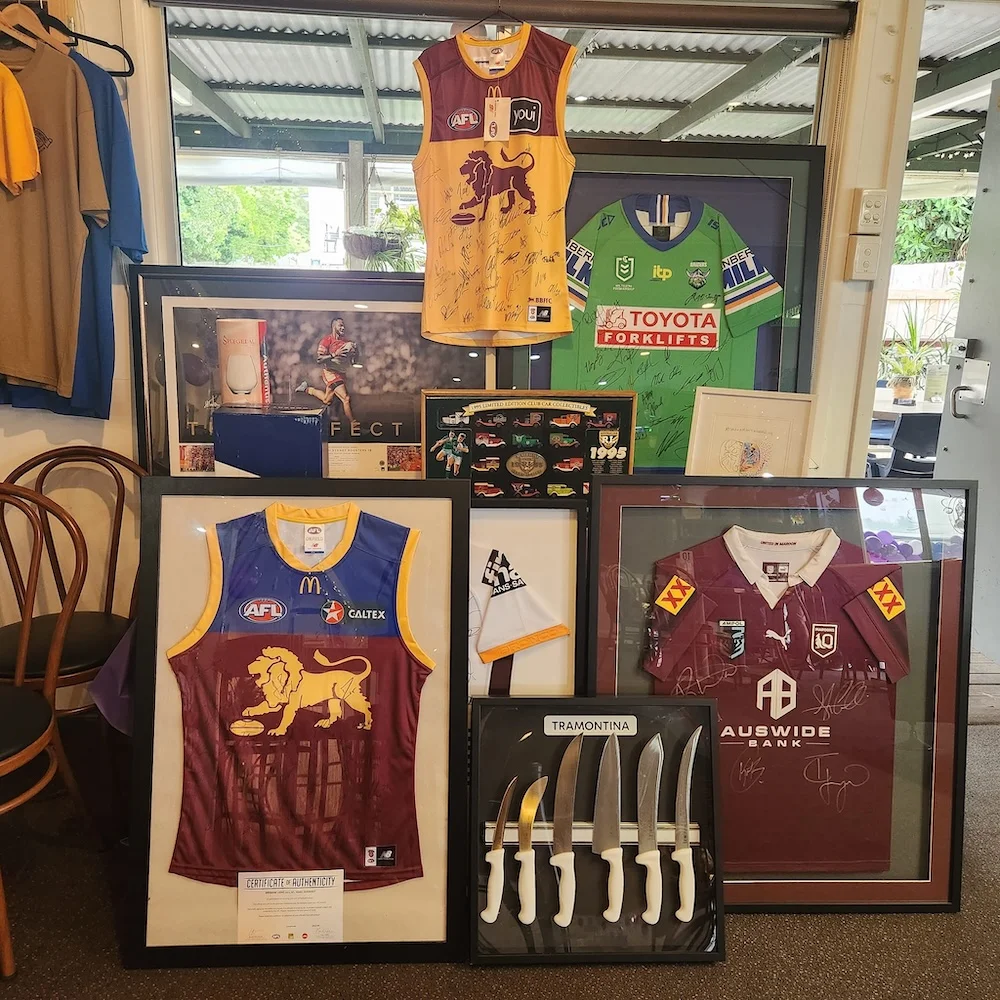
One of the major attractions will be a series of premium meat tray raffles supplied by local businesses, alongside auctions featuring sporting memorabilia. Food will also be available through the club’s bistro, along with bar facilities for attendees.

Photo Credit: Supplied

Organisers say the goal is not only to raise funds but also to increase awareness of epilepsy and the support services available to families across Queensland.


Published 5-Mar-2026
Choose-Your-Own Valentine’s: A Vibe-Based Guide to February 14 in Brisbane


Valentine’s Day doesn’t have to follow one script. In 2026, plenty of locals are treating February 14 as a choose-your-own night out, whether that’s a proper date, a Galentine’s catch-up with an activity built in, a mixed-group dinner that can turn into a singalong, or a full-send party where singles can actually have fun.

To keep it simple, pick the vibe first and then pick the venue that matches it.

Vibe 1: Low-key romance with a view

If your ideal Valentine’s involves good food, a little scenery, and minimal effort (the best kind), go for a waterside setting or a backdrop that does the heavy lifting.

The Boatshed at the Regatta (Toowong)

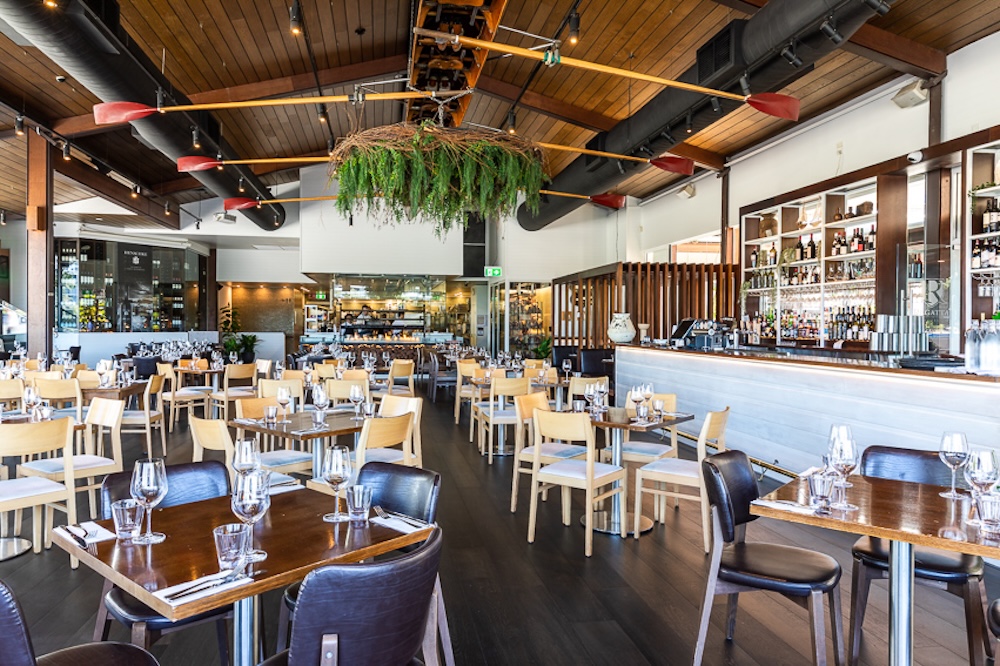
A cosy choice for couples who want a relaxed lunch or dinner overlooking the river — intimate without being overly formal, and perfect for a proper chat that isn’t competing with a dancefloor.

Riverland (Brisbane City)

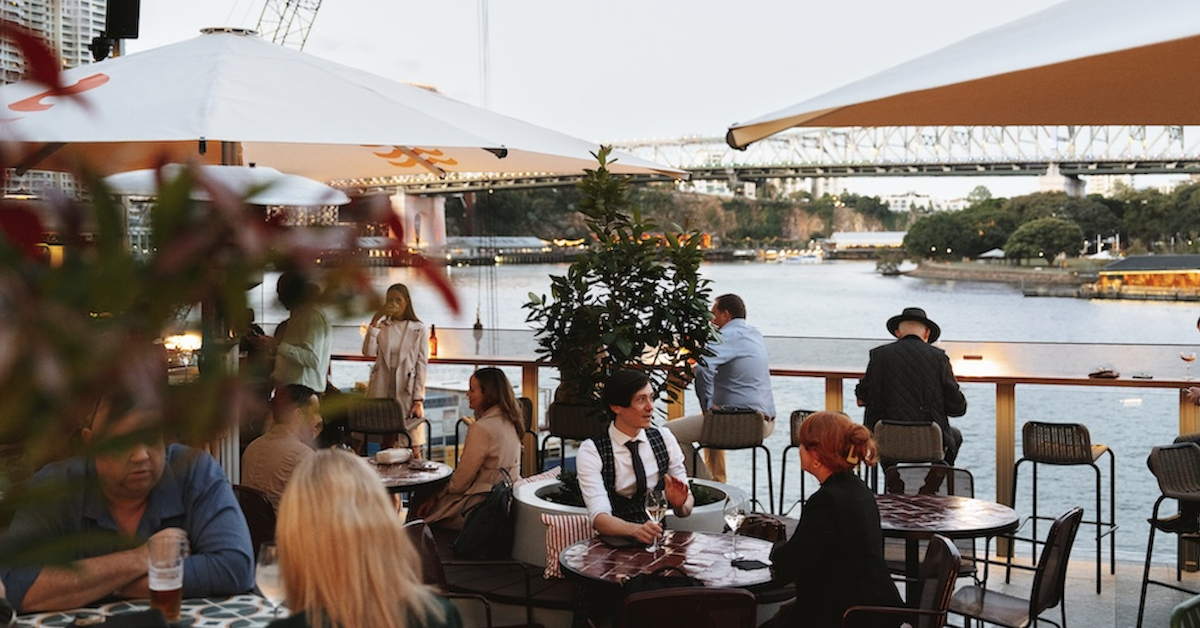
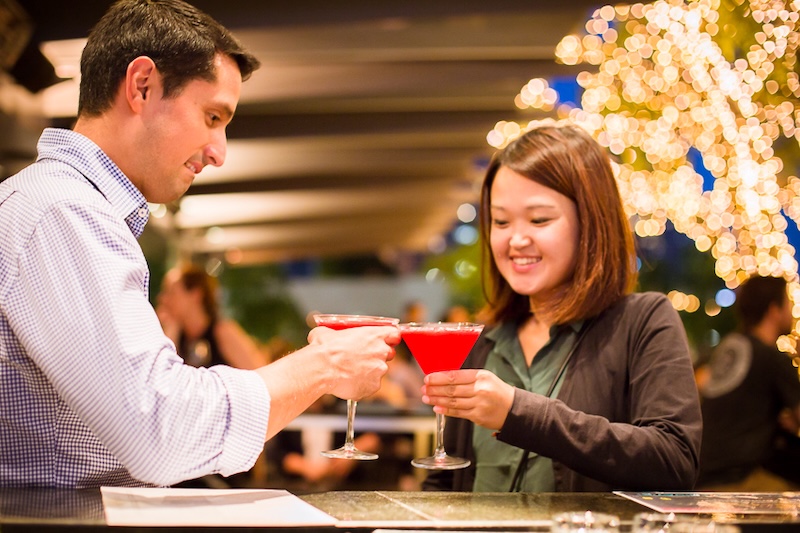
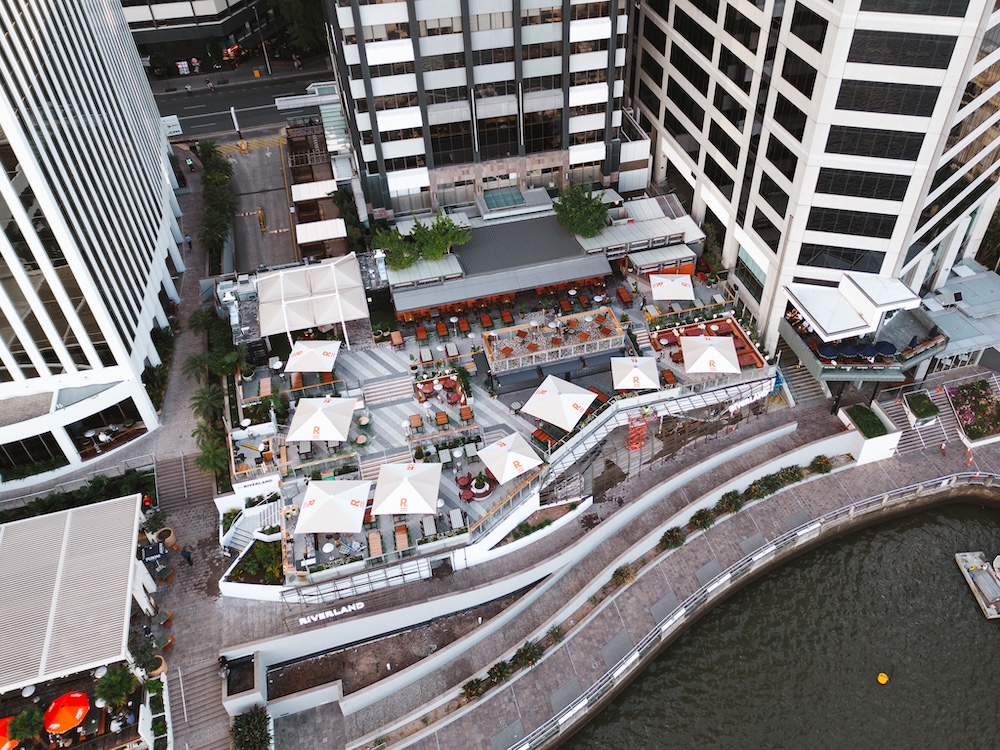
If you’re after “special occasion” energy, this one leans into the setting, with the Brisbane River and Story Bridge as your backdrop. Expect cocktails, shared chef’s specials, and live music from 6:00 p.m. — ideal for a date night that feels like a night out, not just a booking.

Best for: couples, first dates, and anyone who wants something classic without feeling locked into clichés.


Vibe 2: Galentine’s with an activity built in

If your group chat loves a plan that’s more than “we should catch up soon,” choose something hands-on. An activity gives the night momentum, keeps conversation flowing, and (bonus) you leave with a memento.

Everton Park Hotel (Everton Park)

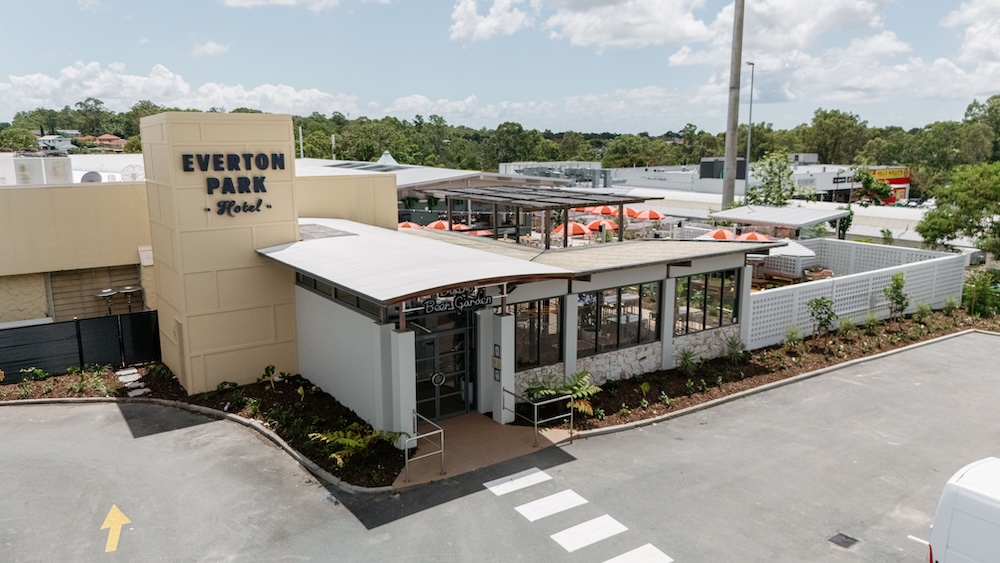
A friendship-forward session with candle-making, bubbly and charcuterie. It’s equal parts wholesome and fun — the kind of afternoon that feels like a treat without requiring anyone to dress up like it’s a formal.

Bonny View Hotel (Bald Hills)

Paint-and-sip is a proven recipe: wine, laughs, and an art result that’s either surprisingly good or proudly chaotic. This one’s a great pick for friends, low-pressure dates, or anyone who wants a social plan that isn’t “sit and stare at each other across a table.” Dinner-only bookings are also available if you’d rather keep it simple.

Best for: besties, workmates, small groups, and people who prefer doing something over “just going out.


Vibe 3: Dates or mates — the flexible night out

This is the category for mixed groups (couples plus singles), double dates, or anyone who wants a night that can shift gears as it goes — from dinner to entertainment without having to relocate three times.

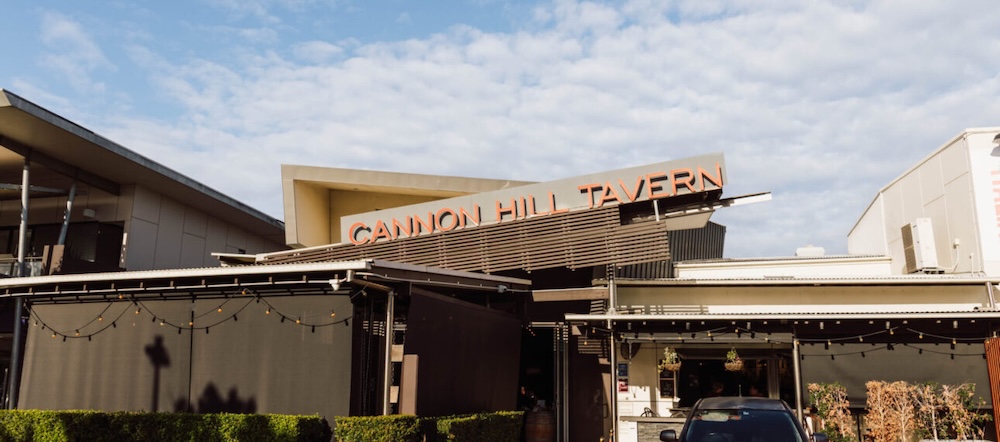
Cannon Hill Tavern (Cannon Hill)

A full-night format that starts with shared plates, rolls into live jazz from 5:30 p.m., then turns playful with Valentine’s karaoke from 8:00 p.m. It’s the easiest option if you want something that can be romantic, friendly, or both — depending on who turns up and how the night unfolds.

Best for: mixed crews, “let’s keep it open-ended” plans, and anyone who wants dinner and a story afterwards.


Vibe 4: Singles and after-dark energy

If you’re not doing dinner-and-dessert, lean into venues that are unapologetically built for meeting people, dancing, and staying out late. Themes help. Loud music helps. A crowd that’s in on it helps most.

Fridays (Brisbane City)

A Traffic Light Party (plus DJs and glow sticks) makes the whole night feel more social and less awkward — especially if you’re heading out with single friends and want an excuse to talk to strangers without pretending it’s accidental.

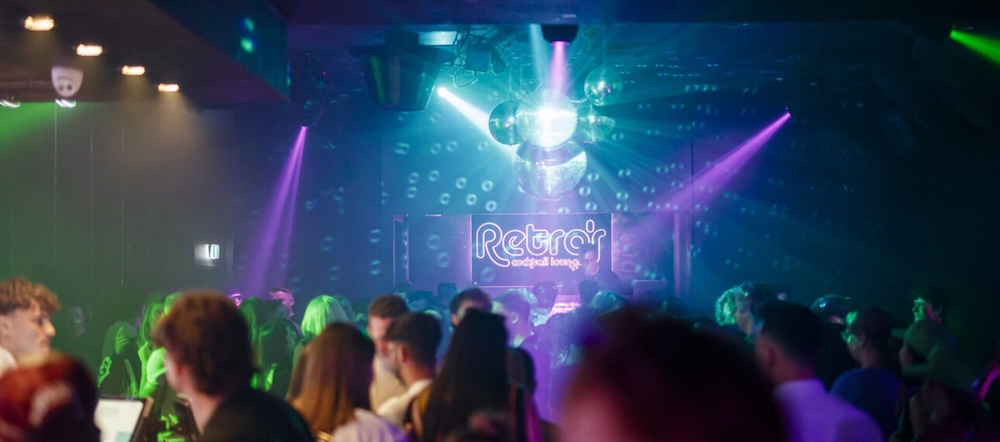
Retro’s (Fortitude Valley)

For anyone chasing late-night, dress-up, “main character” energy, Cupid’s Playground is the kind of party where committing to the bit is half the fun. Think bold outfits, big beats, and a dancefloor-first plan.

Best for: singles, party crews, and anyone whose Valentine’s vibe is “no small talk, just music.”


A quick way to choose

  • Want calm + scenic? Pick Vibe 1.
  • Want something cute + social? Pick Vibe 2.
  • Want flexibility for a mixed crew? Pick Vibe 3.
  • Want loud + late? Pick Vibe 4.

Whatever you’re celebrating on February 14 — romance, friendship, or simply having a great night — the best plan is the one that matches your mood (and your group chat’s energy).

High Street Tunnel in Toowong Gains New Life With Immersive Street Art

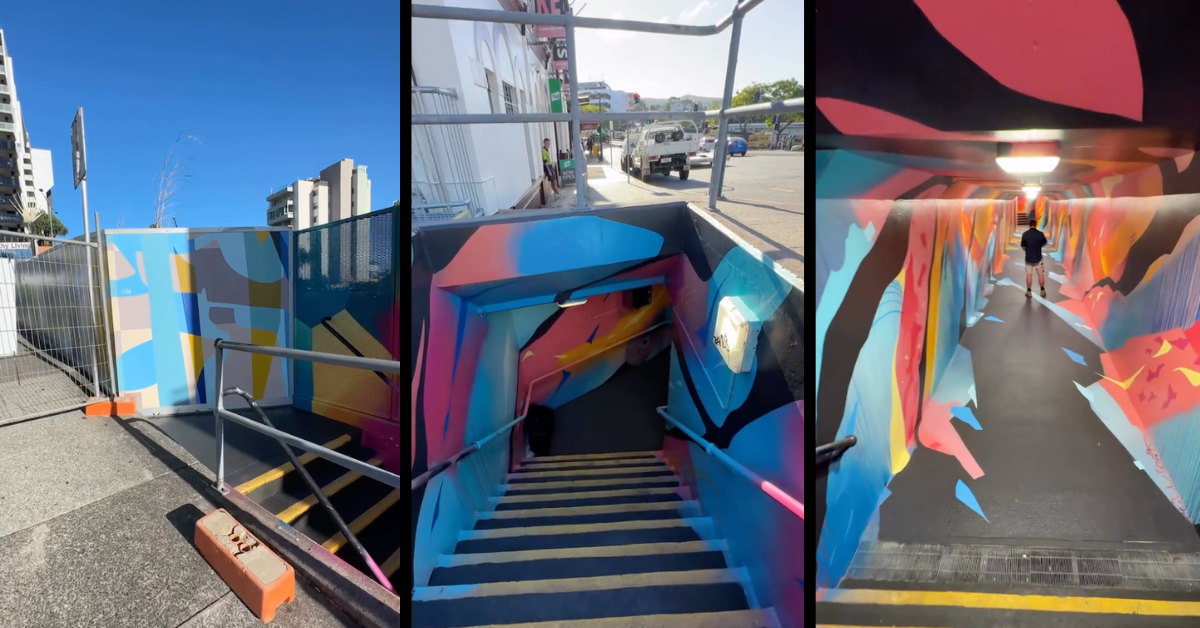
An overlooked pedestrian tunnel in Toowong has been converted into a large-scale immersive street art space, with Brisbane artists Sofles and Drapl covering the walls and ceiling with bold murals that are attracting attention from locals and visitors. The High Street tunnel, located between the Royal Exchange Hotel and Toowong Village and Train Station, has shifted from a plain walkway into a public art destination designed to brighten daily commutes and encourage community connection.


The project was recently completed following about a week of painting and planning, according to social media posts from organisers and community representatives.

Local Artists Lead Public Space Transformation

The artwork was created by Brisbane-based street artists Sofles and Drapl, both recognised for their work locally and overseas. The pair were selected to transform the tunnel into a fully covered mural environment, using vibrant shapes and layered colour patterns to change the space’s feel. 

The project goal is to trial creative ways to improve public infrastructure and reduce the number of plain or ageing spaces across the city. Posts promoting the artwork suggested the tunnel transformation was part of a broader effort to rethink how pedestrian links and underpasses are maintained and used. 

The goal was to support local artists while improving shared public areas without increasing costs for residents.

A New Visual Landmark in Toowong

The tunnel sits beneath High Street, linking foot traffic between the Royal Exchange Hotel and Toowong Village, close to Toowong Train Station. Visitors have been encouraged through social media to walk through the tunnel to experience the artwork in person, with organisers highlighting the layered design that surrounds pedestrians from every angle.

Community reaction shared online noted that the colourful design makes the walkway feel safer and more welcoming. The project is being viewed by organisers as a trial for future public art upgrades across Brisbane’s transport and pedestrian networks.


Published 11-Feb-2026

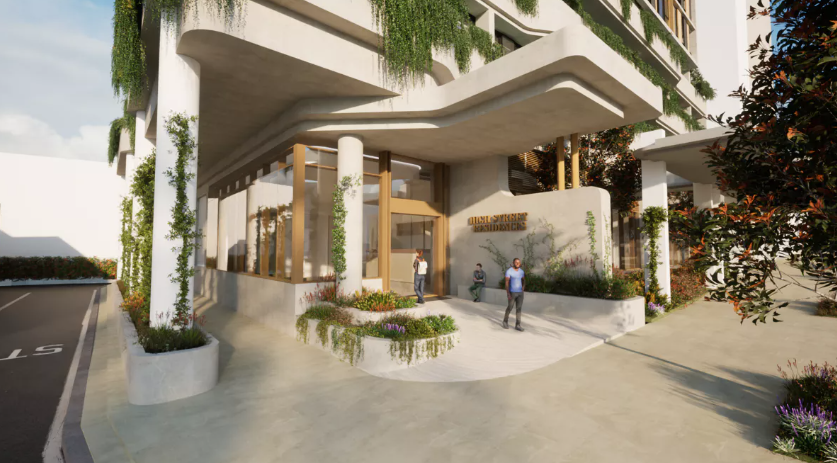
Approved 26-Storey Build-to-Rent Development Site Listed in Toowong

A vacant site in central Toowong with existing approval for a 26-storey build-to-rent tower has been brought to market, presenting an opportunity for developers in one of Brisbane’s most established inner suburbs.


Read: Proposed Toowong Tower Gets Upsized and Reimagined for Build-To-Rent Development


The 1,571 square metre landholding at 58 High Street is being offered by CDL Australia Holdings through Knight Frank via Registrations of Interest. The freehold property features dual street frontage to High Street and Ebor Street.

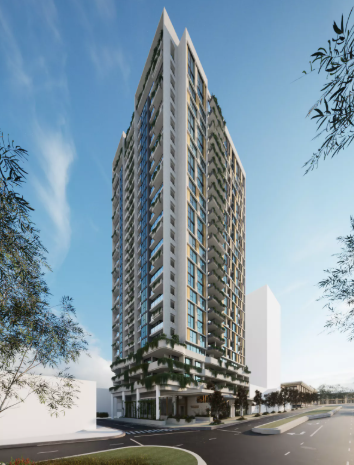
The site comes with development approval already secured for a 326-apartment, 26-storey residential tower. While the Major Centre zoning permits buildings up to 20 storeys, the existing approval extends beyond this base allowance, positioning the site as construction-ready for potential developers.

Build-to-Rent Model

Artist’s impression of approved development at 58 High Street (Photo credit: Knight Frank)

The approved scheme is designed as a build-to-rent development. Build-to-rent developments differ from traditional apartment buildings in that all units are retained by a single owner and operated as rental properties rather than being sold to individual buyers.

According to the listing agents, the location and transport connectivity suggest strong potential for tenant demand in a build-to-rent model. They point to what they describe as limited supply of rental apartments across inner Brisbane, which could support such a development in the area.

Site Location and Amenity

The High Street site sits within walking distance of Toowong Village shopping centre, Toowong Train Station, and the Regatta Hotel. The Brisbane River foreshore is nearby, while the CBD is located approximately four kilometres to the east. The University of Queensland campus is also accessible from the location.

Transport connections include rail, bus, and ferry services, along with major road networks. The site’s position within Toowong’s commercial and retail precinct provides access to established local amenity.

According to the listing information, the development would offer potential for views across the Brisbane River and CBD skyline, though this would depend on the final design and construction.

Alternative Development Options

Photo credit: Knight Frank

While the current approval is for a build-to-rent scheme, the listing indicates that the site could potentially accommodate other residential models. These alternatives include purpose-built student accommodation, co-living developments, build-to-sell apartments, short-term accommodation, or office space, though such options would require fresh applications to Brisbane City Council.

The proximity to the University of Queensland has been noted as a factor that could make the site suitable for student accommodation or co-living concepts, should a purchaser choose to pursue a different development path.

Surrounding Development Activity

Toowong has experienced notable development activity in recent years. The Monarch residential project has reached completion, with most apartments reported to have been pre-sold. The Arc development is scheduled for completion this year, with agents reporting strong demand for remaining stock in these projects.


Read: Toowong Women’s Homelessness Service Creates an Equitable Future for Rebuilding Individuals


Directly across from the High Street site, a significant mixed-use development known as Toowong Central has been proposed. That project, valued at approximately $1 billion, would span a 14,126 square metre site with frontages to High Street, Sherwood Road, and Jephson Street. The development is planned to include retail, office, and communal recreation spaces.

The listing agents have described Toowong as a high-growth precinct with several major projects in the pipeline, suggesting ongoing transformation of the suburb over coming years.

Published 11-February-2026

Toowong to Indooroopilly Commute Slows to 25km/h as Moggill Road Traffic Worsens

Motorists crawling through Toowong during peak hour are experiencing speeds slow enough that an e-scooter could keep pace, with Brisbane’s December 2025 data revealing median traffic speeds below 25 kilometres per hour on Moggill Road.


Read: Toowong Central 58-Storey Proposal Divides Community as Traffic and Height Concerns Dominate


The western suburbs arterial route is among several Brisbane roads where rush-hour traffic moves at very slow speeds. Alongside Logan Road, Stanley Street heading into the city and Vulture Street outbound, Moggill Road recorded median speeds under 25km/h during weekday peak periods.

For Toowong commuters heading west toward Indooroopilly, the situation has deteriorated since before the pandemic. Data shows speeds have dropped compared to pre-pandemic levels, while traffic volume has increased. During afternoon peak periods, an additional 54 vehicles on average now use the Toowong to Indooroopilly section each hour compared to six years earlier.

Photo credit: Google Street View

The 20.6-kilometre Moggill Road corridor connects Toowong to the Moggill Ferry, serving as a vital link for Brisbane’s western suburbs. The stretch through Toowong and Indooroopilly carries particularly heavy loads, moving traffic past commercial centres, dense residential areas and the Indooroopilly Shopping Centre.

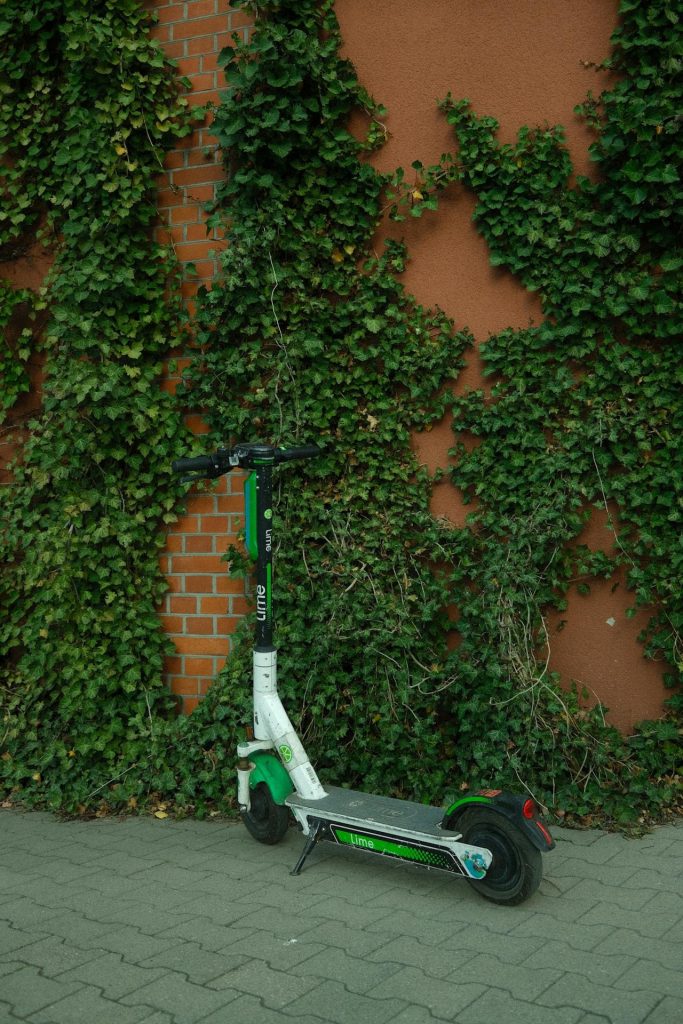
At these crawling speeds, the question arises: could alternative transport actually work? Personal mobility devices including e-scooters can legally reach 25km/h on separated bike paths and certain roads under Queensland law. On footpaths and shared paths, the limit drops to 12km/h unless signs specify otherwise.

Photo credit: Egor Komarov/Pexels

The catch is infrastructure. Continuous off-road paths suitable for e-scooter commuting don’t exist along much of the Toowong corridor. Riders wanting to travel at the 25km/h speed limit must use bike lanes on roads with 50km/h limits and no centre dividing line, or physically separated cycling infrastructure. Helmets remain mandatory under state regulations.

Rule violations result in substantial fines. E-scooter riders caught speeding face fines above $500, while using a mobile phone whilst riding will cost more than $1,000. These penalties apply to all personal mobility device users in Queensland.

Recent infrastructure investment has not eliminated congestion on the corridor. The Coonan Street intersection upgrade was designed to ease congestion at one of the corridor’s busiest junctions. Despite this work, December’s speed data indicates ongoing challenges throughout the broader Moggill Road corridor.


Read: Toowong Bikeway Link Moves Ahead After Strong Community Support


The combination of population growth and commercial development in the area contributes to traffic pressure. Cycling infrastructure lacks continuity along parts of the corridor. E-scooters could theoretically match current car speeds, but incomplete paths limit their viability as a commuting option.

The Toowong to Indooroopilly stretch experiences significant peak-hour congestion. The December data highlights ongoing traffic management challenges on the corridor, with current speeds on the route remaining below 25km/h during peak periods.

Published 9-February-2026

Where to Watch Super Bowl LX in Toowong: Regatta Hotel Leads Brisbane’s Game Day Action

When Super Bowl LX kicks off on Monday, 9 February (February 8 US Time), there’s no better place to be in Brisbane than the Regatta Hotel. The iconic Toowong venue on Coronation Drive is pulling out all the stops for what’s become one of the year’s most anticipated sporting events, and they’re making sure locals have every reason to settle in for the spectacle.


Read: Regatta Hotel in Toowong Marks 150-year Milestone with Weekend Festival


The Regatta’s approach to Super Bowl LX goes well beyond simply switching on the telly. Screens throughout the riverside venue will be broadcasting the game live and loud, ensuring you won’t miss a single tackle, touchdown, or time-out. The multi-screen setup means groups of mates can spread out without sacrificing their view of the action, and the venue’s various spaces cater to different vibes—from those wanting to be in the thick of the atmosphere to punters preferring a slightly more relaxed setting.

Photo credit: regattahotel.com.au 

What’s really setting the Regatta apart this year is their week-long celebration of American cuisine. Running from 1 February through to game day on the 9th, the kitchen is serving a lineup of stateside classics that goes well beyond standard pub fare. 

The menu features generous portions designed for sharing—or not sharing, no judgement here. Foot-long baguette toasties, loaded nachos piled high, a full kilogram of wings for those with serious appetites, classic po’boy sandwiches, and the venue’s popular dawg basket round out the American-themed offerings.

Other Brisbane Venues Getting in on the Action

While Toowong claims the Regatta as its Super Bowl headquarters, several other Brisbane pubs are creating their own game day experiences for those based elsewhere in the city.

The Lord Alfred at Petrie Terrace is taking a competitive approach to their Super Bowl broadcast, with games and giveaways running alongside the on-field action. Their kitchen is preparing special menu items tailored for game day, including breakfast burritos for early arrivals, chicken and waffles for those wanting something substantial, and loaded dogs for easy eating whilst keeping eyes on the screen. The wall-to-wall coverage and chef specials create an atmosphere that’s as much about the shared experience as the game itself.

Finn McCool’s Brisbane (Photo supplied)

Over on Edward Street in the CBD, Port Office Hotel is offering two distinct packages for those who want their Super Bowl experience sorted in advance. The Game Day Package runs $55 per person and includes a curated selection of American-style food throughout the broadcast. For those wanting to make a proper session of it, there’s an optional beverage upgrade that extends for four hours—more than enough to cover the game and halftime show. The venue’s screens will be broadcasting every moment, and the package approach means you can lock in your spot and your feed in one booking.

In Fortitude Valley, Finn McCool’s is thinking bigger, transforming Brunswick Street Mall into an outdoor Super Bowl festival. Temporary bars will be set up alongside massive screens, creating a street party atmosphere that’s unique among Brisbane’s viewing options. The venue is offering both basic and premium all-inclusive packages starting from $109 per person, covering food, drinks, and entertainment. Games and giveaways will run throughout the broadcast, and the American-themed menu keeps the stateside vibe flowing.


Read: Statue Planned for Merle Thornton Near Regatta Hotel in Toowong


Making the Most of Game Day

The Monday morning timing presents both a challenge and an opportunity. Kick-off at 10:40am means most venues will be opening their doors well before their usual hours. It’s become something of a tradition for fans to take the day off work, treating the Super Bowl LX as the cultural event it’s evolved into rather than just another sporting match.

With multiple venues across Brisbane gearing up for capacity crowds, anyone planning to attend should contact their chosen pub sooner rather than later. Package bookings at some venues are already filling up, and walk-ins on the day might find themselves watching from the footpath rather than from a comfortable seat with a clear view.

Whether you’re a die-hard NFL supporter who knows the difference between a safety and a field goal, or someone who just enjoys the spectacle and the excuse for American comfort food on a Monday morning, Toowong and Brisbane’s pubs have created options to suit every level of fandom.

Published 5-February-2026