
High Street and Sylvan Road Included in Brisbane’s $110 Million Road Resurfacing Program

Two of Toowong’s busiest roads, High Street and Sylvan Road, are included in a $110 million resurfacing program covering almost a million square metres of road surface across Brisbane, with the works branded “Operation Smooth” forming part of a broader $1.9 billion transport and infrastructure package for the coming year.


For Toowong residents, the resurfacing arrives alongside separate, longer-running efforts to address some of the suburb’s more persistent road safety concerns, particularly on Sylvan Road.

High Street’s traffic bottleneck problem

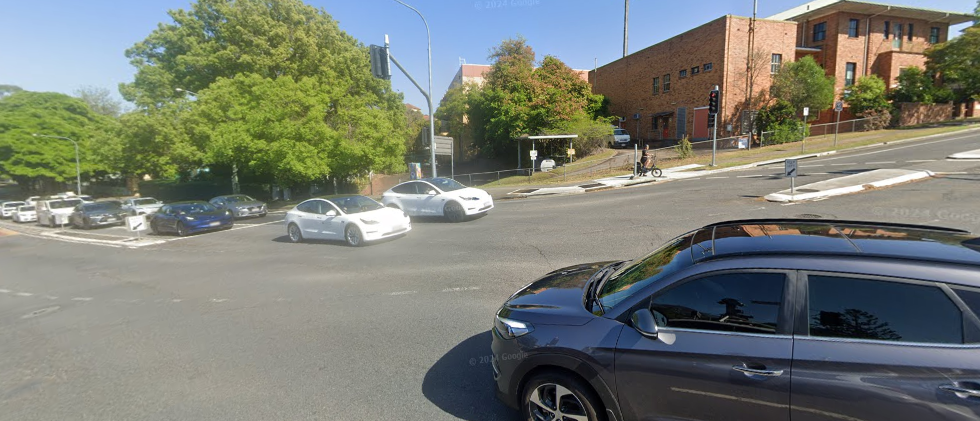
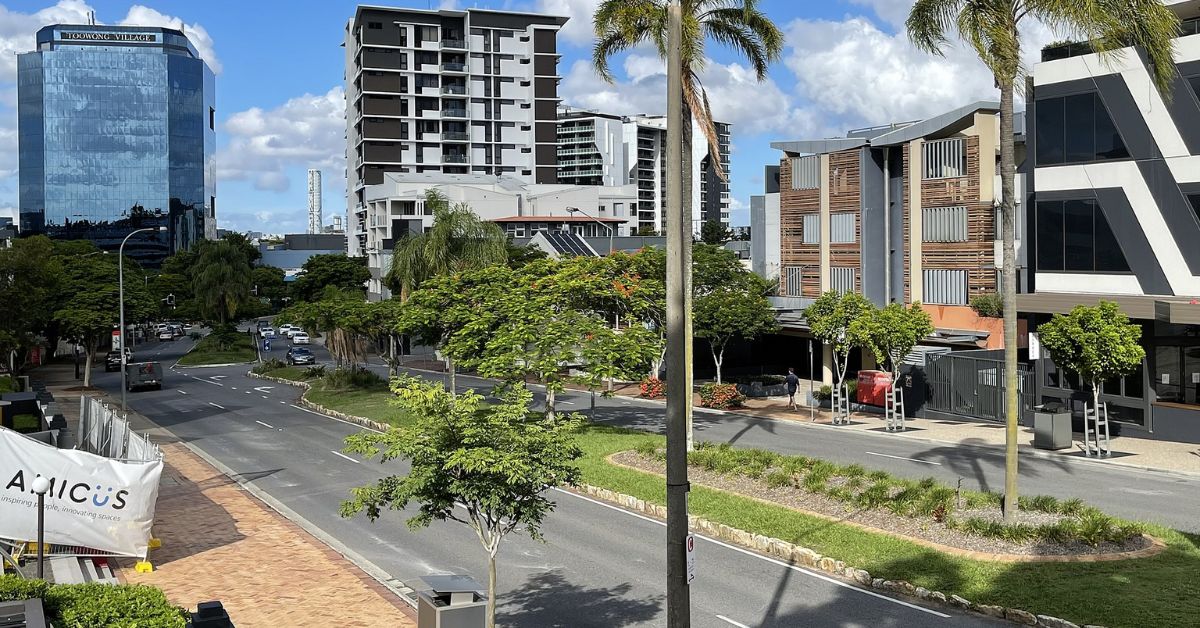
High Street services a mix of commercial and residential areas in Toowong and has carried heavy traffic loads for decades, partly a legacy of the Toowong Village shopping centre’s construction history.
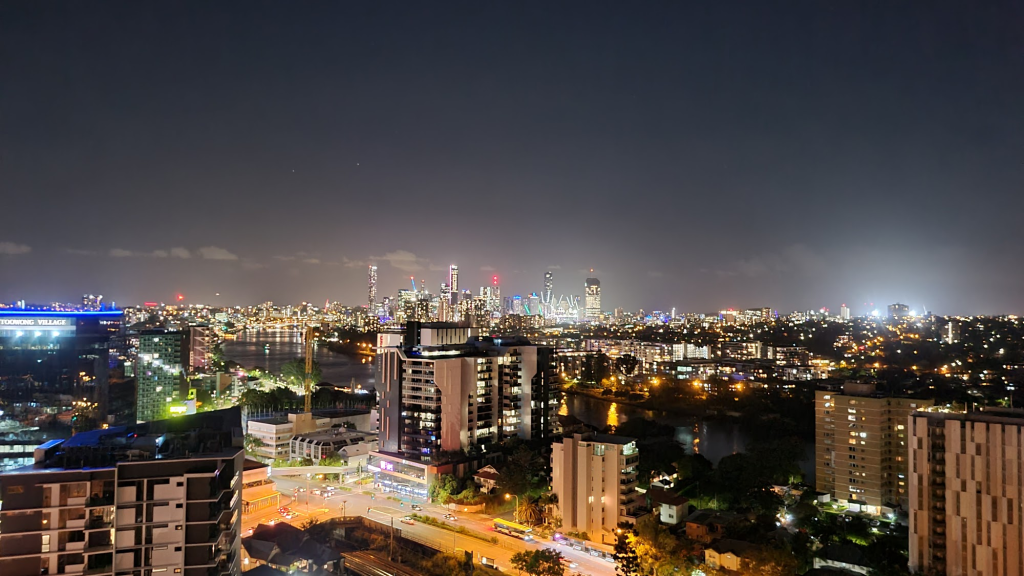
Photo Credit: Google Maps

The centre was built in a location Brisbane’s planning authority had originally opposed due to traffic congestion concerns in the surrounding streets, and it has since been described as a permanent traffic bottleneck between Moggill Road and Coronation Drive.

High Street sits within that same congested corridor, and resurfacing works here are expected to address surface wear that has built up under sustained traffic volumes.

Sylvan Road’s long wait for a safer design

Sylvan Road’s inclusion in the resurfacing program lands against a much longer and more complicated backdrop. The road connects the Western Freeway Bikeway and the Bicentennial Bikeway, making it the critical link in Brisbane’s western active transport corridor.
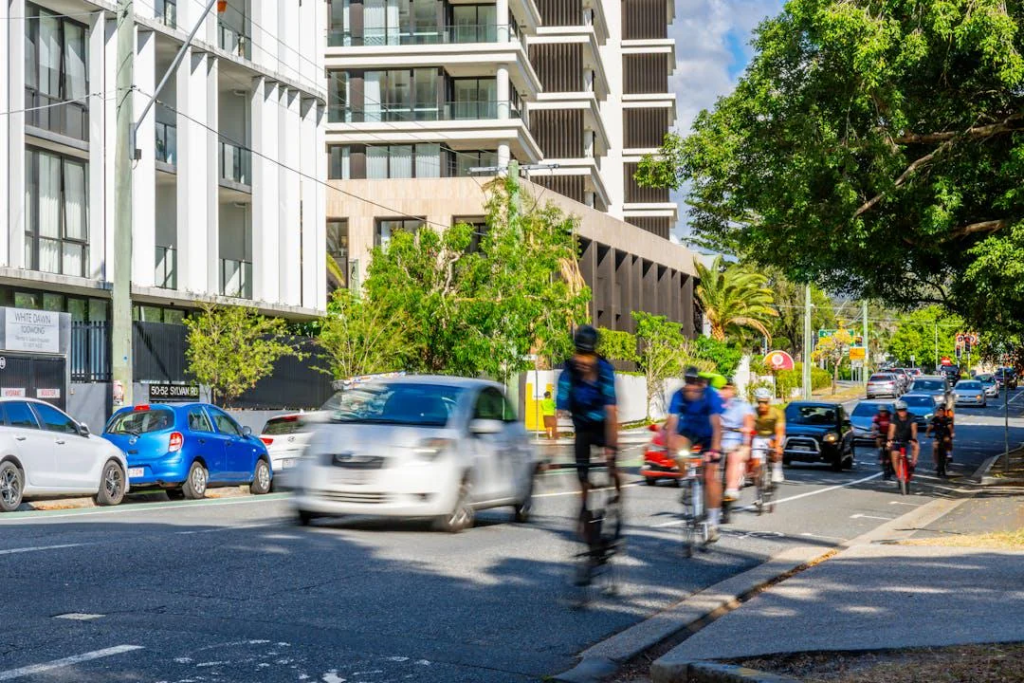
Photo Credit: BCC

It has also been one of the city’s most consistently flagged hazardous cycling routes, featuring in BikeSpot‘s 2023 rankings of dangerous Brisbane roads due to high traffic speeds, dangerous intersections and a lack of separation between bikes and vehicles.

At some sections during peak hour, cyclists make up around 40 per cent of all traffic on Sylvan Road between 7am and 8am, yet the existing bike lane often runs in the door zone of parked cars, a configuration cycling safety advocates have long identified as a serious injury risk. A 2017 safety upgrade introduced peak hour bike lanes along the road, but calls for a fully separated bikeway have continued for years since.
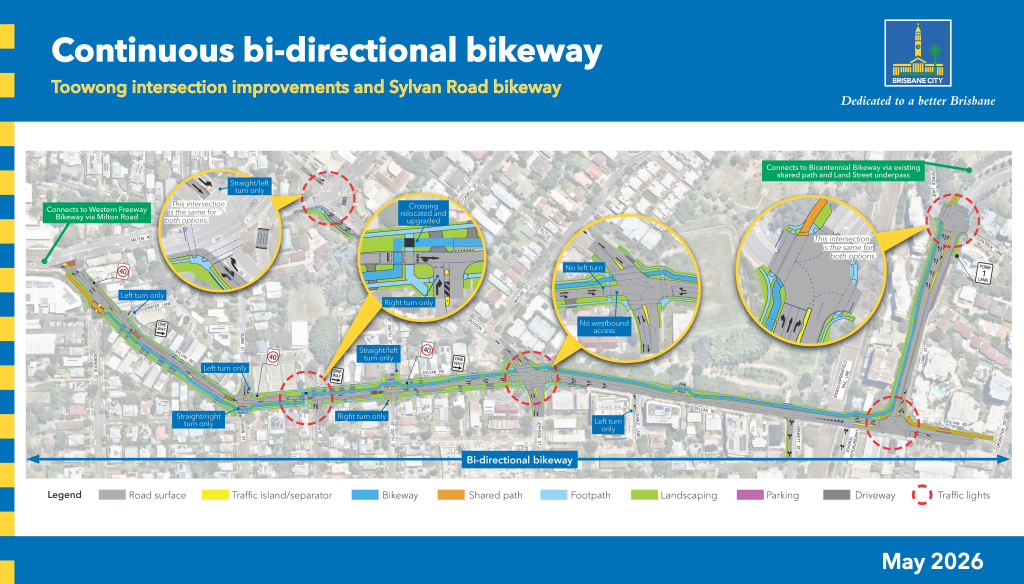
Photo Credit: BCC

Community engagement on a Sylvan Road bikeway and local network improvements project found strong support for a separated design. Of those who responded, 94 per cent said they would feel safe or very safe travelling the road if a separated bikeway were installed, and 93 per cent said it would have a positive effect on their travel experience overall.

Avoiding crashes with vehicles, unsafe turning movements and limited crossing options were the most commonly cited concerns.

Design work for the long-discussed separated bikeway has now been included in forward budget planning, following more than a decade of advocacy from the area’s Bike User Group and residents. The resurfacing works now underway on Sylvan Road sit alongside, though are separate from, that broader design and construction process.

What residents can expect during the works

Brisbane’s standard approach to resurfacing involves advance notice to residents before works begin, with councils typically flagging whether disruption will include night works, temporary lane closures, reduced speed limits or vehicle relocation requirements.

A detailed construction schedule for each road has not yet been released, so the exact timing and duration of works on High Street and Sylvan Road remains to be confirmed.

Once complete, the resurfacing is expected to deliver a smoother and safer driving surface on two roads that carry significant daily traffic through one of Brisbane’s busiest inner western suburbs.

For updates on roadworks and closures, residents can check QLDTraffic’s live traffic alerts or click here.


Published 17-June-2026
Toowong Motorists Feel the Bite as Brisbane Toll Petition Hits 1,509 Signatures

Frustrated Brisbane motorists have put tolls back in the spotlight, with a petition calling for the removal of all tolls from the city’s bridges and tunnels attracting 1,509 signatures and drawing fresh attention to the cumulative cost of crossing the Brisbane River.


The petition, lodged by a Redbank Plains resident and tabled in March 2026, calls for tolls to be removed from Brisbane’s five tolled crossings: the Sir Leo Hielscher Bridges on the Gateway Motorway, the Go Between Bridge, the Clem7 tunnel, the Airport Link tunnel and Legacy Way. Together those five crossings have recorded around 490,000 motorist journeys since June 2025. Toll costs on the Airport Link alone rose 33 cents to $7.16 on 1 January 2026, continuing a pattern of annual CPI-linked increases that has steadily lifted the cost of using Brisbane’s tolled network year on year.

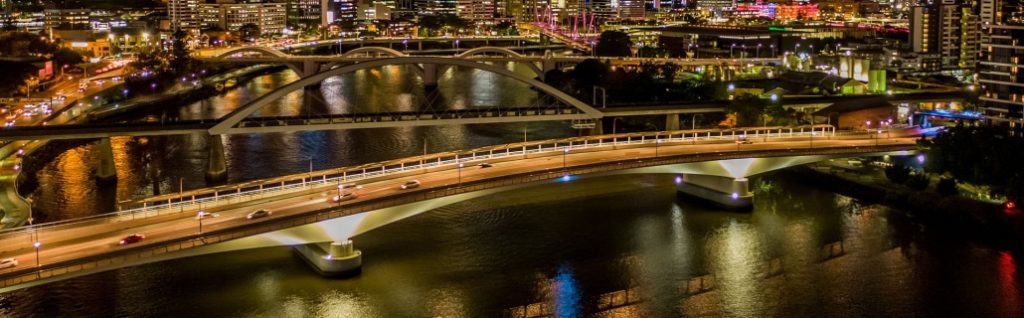
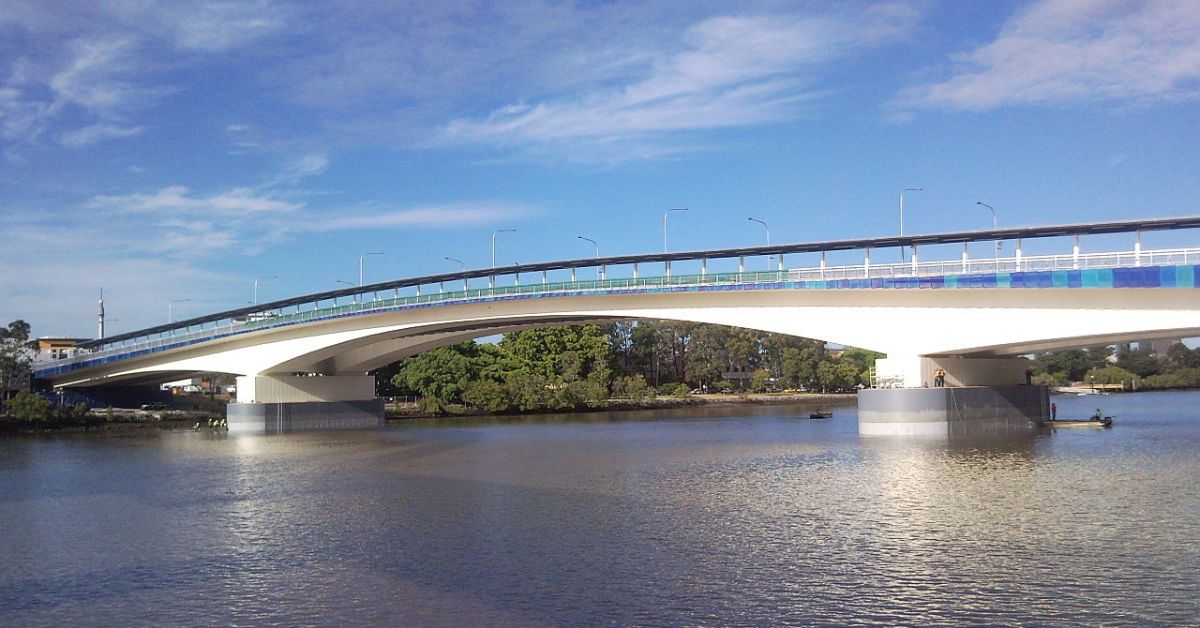
For Toowong residents, the Go Between Bridge is the crossing closest to home. The 300-metre span connects Coronation Drive at Toowong to the Inner City Bypass at Milton, carrying around 12,000 vehicles per day and providing one of the fastest cross-river connections available to inner-west commuters. Opened in July 2010 and now operated by Transurban Queensland under a concession running until 2063, the bridge was built at a cost of $338 million and was controversial from the outset, with the toll arrangement drawing community pushback at the time of its construction.

The Cost of Getting Around

The toll debate sits against a wider picture of worsening congestion. Brisbane commuters lost an average of 84 hours to traffic delays in 2024, a 14 per cent increase on the previous year. That figure suggests toll roads are not reliably delivering the congestion relief that justifies their cost in the minds of many drivers, particularly those who pay tolls daily and still find themselves stuck in traffic on connecting roads.

Photo Credit: Google Street View

RACQ public policy head Dr Michael Kane offers a measured counterpoint. He notes that toll roads primarily function as a funding mechanism for major road projects rather than a guaranteed solution to traffic flow, and that removing tolls would not eliminate the construction debts that still need to be serviced. Making all toll roads free, he argues, is unlikely on its own to improve network performance, though he acknowledges that a broader review of how south-east Queensland plans and funds major road infrastructure is worth pursuing.

That tension, between the real daily cost to individual motorists and the financing reality of large-scale infrastructure, sits at the heart of the debate the petition has reignited.

A Long-Running Debate for Toowong

The Go Between Bridge has attracted scrutiny before. When it was built, community concern focused on whether the toll arrangement was fair for a crossing designed to connect the inner west rather than serve longer motorway journeys. Critics at the time pointed out that without adequate connecting roads, the bridge risked pushing additional traffic onto local streets in West End and Toowong rather than relieving congestion on them.

Tolls
Photo Credit: Seymour Whyte

That concern has not entirely disappeared in the years since. The bridge carries respectable daily volumes, but Toowong residents who use Coronation Drive regularly will recognise the congestion that builds around the bridge’s entry and exit points during peak periods. The arrival of major new developments along the Coronation Drive corridor, including the Monarch Residences at 600 Coronation Drive, will drive further vehicle movements to a stretch of road that is already under pressure.

Why This Matters to the Toowong Community

For Toowong households, the toll question is not abstract. Residents who commute across the Go Between Bridge to Milton or the inner city each working day clock up more than 200 toll charges annually. At current rates, the annual cost for a regular Go Between Bridge user hits hundreds of dollars on top of fuel, parking and registration costs, and that figure compounds if other parts of the Brisbane toll network also feature in their regular routes.

Whether the solution is toll removal, toll reform or better investment in public transport alternatives that reduce the need to drive, the petition reflects a genuine frustration from motorists who feel the cost of getting around Brisbane has grown faster than the quality of the experience. Toowong’s location, sitting between the Legacy Way tunnel to the north and the Go Between Bridge to the east, means residents interact with the toll network more directly than most.

Motorists wanting to track the petition’s progress or add context to the debate can view the petition details at parliament.qld.gov.au by searching petition number 4408-26.


Published 18-March-2026.

Proposed 17-Storey Tower at 44 Glen Road Divides Toowong Residents

A development application seeking to more than double the height of an approved riverfront apartment building at 44 Glen Road, Toowong, from 8 to 17 storeys has drawn mixed reaction from nearby residents, with concerns about traffic, flooding and excavation impacts sitting alongside support for the site’s long-overdue redevelopment.


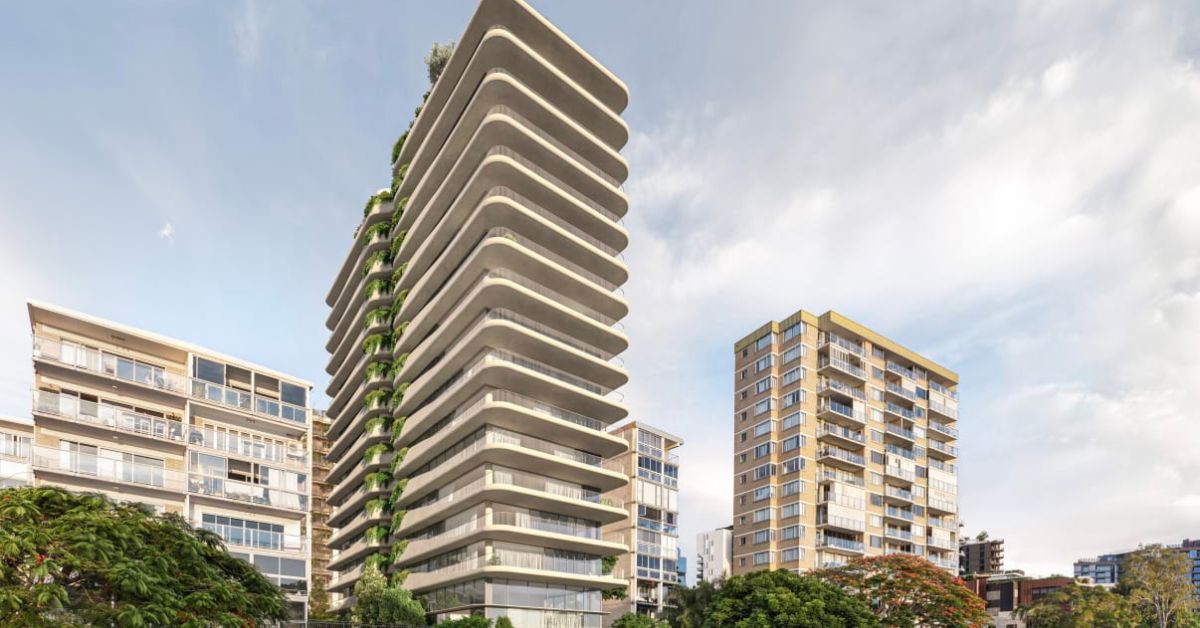
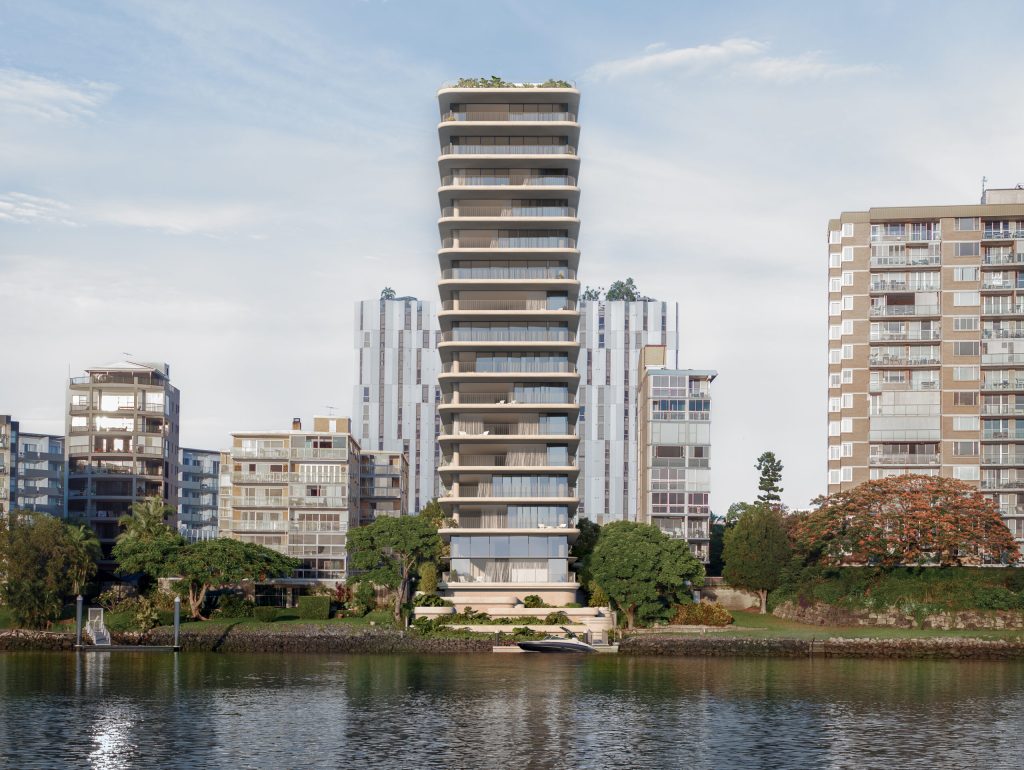
The applicant lodged application A006928427 in December 2025 to amend an existing approval for the site, formerly known as The Dell, after relocating the heritage property from the address. The amended design, prepared by Bureau Proberts Architecture with planning by Urbis, would increase the number of apartments from 22 to 42, expand basement parking from 60 to 101 spaces across three levels and consolidate communal open space to a rooftop terrace.

The site sits in the High Density Residential Zone under the Toowong-Auchenflower Neighbourhood Plan, which permits buildings up to 15 storeys. While the proposal is technically 17 storeys, Urbis notes in its planning report that it presents as 15 due to the slope of the site and the rooftop amenity design. The site is less than 400 metres from Toowong railway station, directly adjacent to Brisbane Street and within walking distance of Toowong Village, with 15-storey buildings already in the immediate streetscape.

Why the Design Changed

JLL and Colliers marketed the original approval for a 22-apartment, eight-storey scheme for sale in August 2025 and described it as development-ready with potential to increase the building height subject to further approval. The site then changed hands, and the new development team reviewed the project’s viability as the market had shifted considerably since the original design approval.

New Toowong development application near Glen Road
Photo Credit: Sammut Group

Toowong’s apartment market has moved sharply in that time. Unit values in the suburb surged 16.8 per cent over the past year, with rents rising 11.7 per cent to $670 per week. Across Brisbane more broadly, apartment prices climbed 15 per cent in 2025, following 16.6 per cent growth the year prior, while vacancy rates sit at a historically tight 0.9 per cent. The Coronation Drive corridor immediately west of the Glen Road site is also absorbing significant new supply, with the Monarch Residences development at 600 Coronation Drive adding to what is rapidly becoming one of Toowong’s most active development strips.

Against that backdrop, the development team’s rationale for scaling up the project reflects the same calculation reshaping apartment developments across Brisbane’s inner west. Urbis describes the changes as reflecting increased efficiency of land use to complement the emerging character of Toowong, a character that now includes several towers of 15 storeys or more in the immediate vicinity.

Photo Credit: Sammut Group

Support, But Not Without Reservations

One nearby resident who regularly cycles and walks along Glen Road expressed strong support, noting the site had been overdue for development given its walkable proximity to Toowong Village and the train station. Their only concern was the parking. At 101 spaces, the proposal sits close to double what the planning scheme requires for a site of this zone and location, which that submitter described as excessive given the high-quality public transport on the doorstep.

Traffic, Flooding and Ground Movement

Those who opposed the application raised three distinct concerns. On traffic, one submitter argues that the projected 70 per cent uplift in vehicle movements has not been adequately modelled at the Glen Road and Brisbane Street intersection, particularly as the nearby Monarch development at 600 Coronation Drive adds further load to the same corridor. The submitter also questions the proposed driveway width, arguing that it exceeds 30 per cent of the front boundary and that the application’s compliance claim does not align with the traffic report or the provided drawings.

Flooding drew separate concern, with published histories of The Dell, produced by the Toowong and District Historical Society, documenting multiple flood events at the address over the past century. With a larger basement now proposed below peak river height, the submitter argued the application’s flooding mitigation strategy needed considerably more rigorous treatment.

A third submission raised excavation impacts, with a neighbour reporting noticeable vibration in surrounding buildings during preliminary site works in early 2026. Given the amended design requires a tri-level basement, that submitter called for pre-construction structural surveys of neighbouring buildings, independent vibration assessments and ongoing ground movement monitoring throughout excavation. Many surrounding buildings date from the 1970s and 1980s and were not designed with deep basement excavation in mind.

A Corridor Mid-Transformation

Glen Road is not the only address on the street attracting development attention. A separate application for a 15-storey residential tower at 21-25 Glen Road proposes 28 three-bedroom apartments and draws on the same riverside context and proximity to Toowong station. Student accommodation at 33 Glen Road brought a 14-level tower to the street several years ago. The pattern points to a corridor in mid-transformation, with the built form shifting steadily upward and questions about how that transition is managed growing more pressing with each new application.

For Toowong residents watching the Glen Road streetscape change around them, the 44 Glen Road application is another chapter in that story. For more information, please click here.


Published 18-March-2026.