


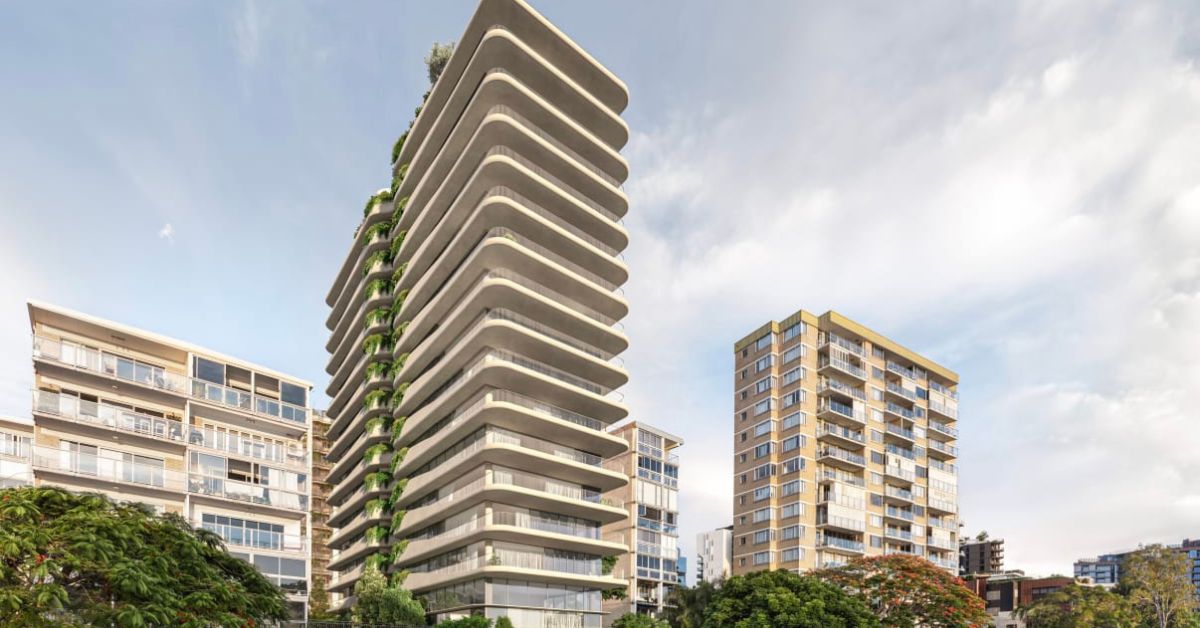
A development application seeking to more than double the height of an approved riverfront apartment building at 44 Glen Road, Toowong, from 8 to 17 storeys has drawn mixed reaction from nearby residents, with concerns about traffic, flooding and excavation impacts sitting alongside support for the site’s long-overdue redevelopment.
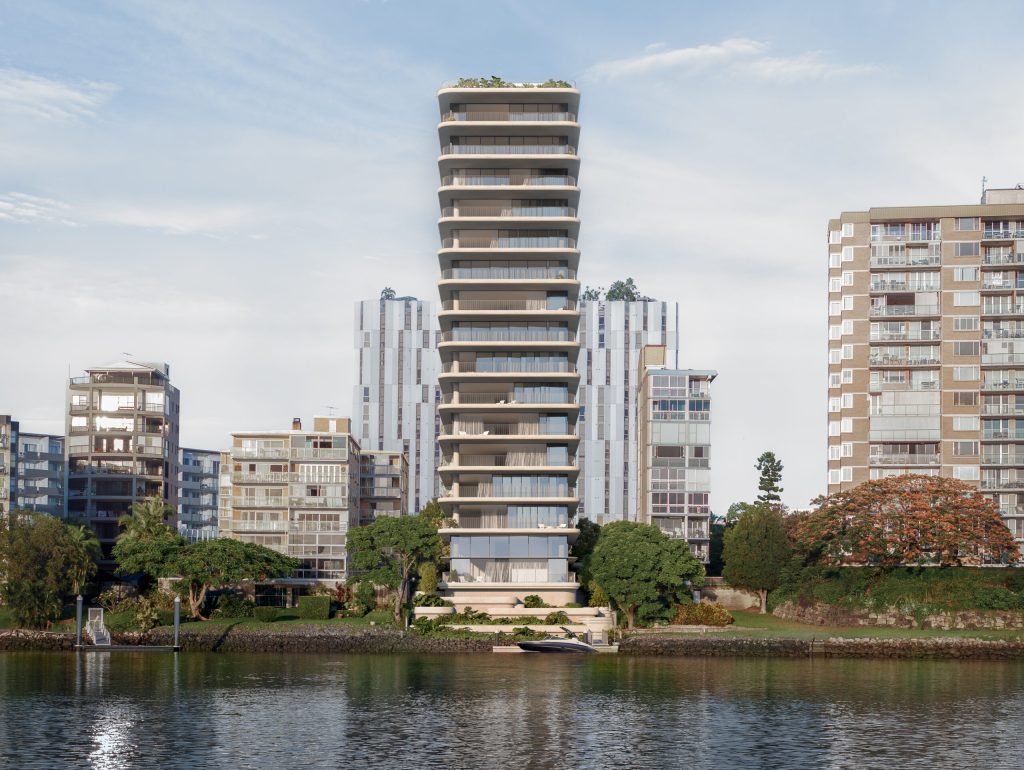
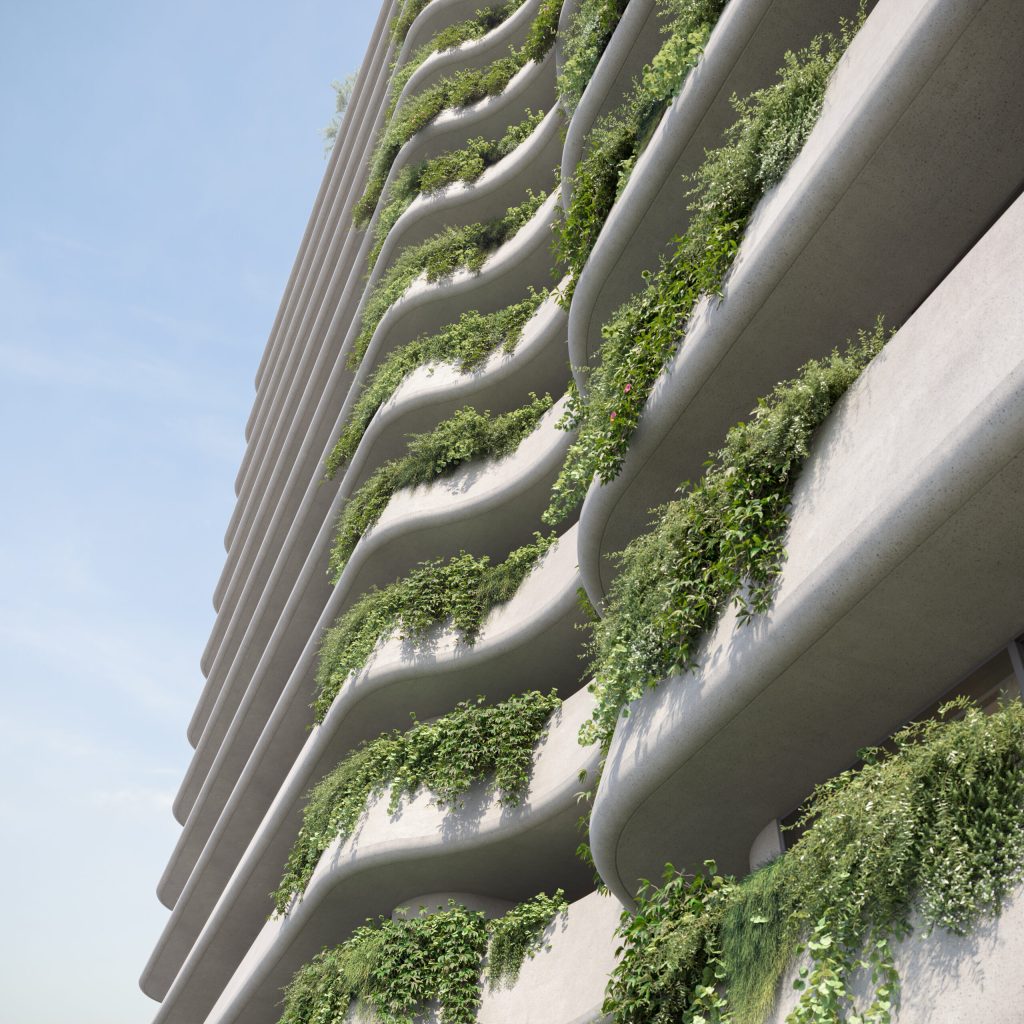
The applicant lodged application A006928427 in December 2025 to amend an existing approval for the site, formerly known as The Dell, after relocating the heritage property from the address. The amended design, prepared by Bureau Proberts Architecture with planning by Urbis, would increase the number of apartments from 22 to 42, expand basement parking from 60 to 101 spaces across three levels and consolidate communal open space to a rooftop terrace.
The site sits in the High Density Residential Zone under the Toowong-Auchenflower Neighbourhood Plan, which permits buildings up to 15 storeys. While the proposal is technically 17 storeys, Urbis notes in its planning report that it presents as 15 due to the slope of the site and the rooftop amenity design. The site is less than 400 metres from Toowong railway station, directly adjacent to Brisbane Street and within walking distance of Toowong Village, with 15-storey buildings already in the immediate streetscape.
Why the Design Changed
JLL and Colliers marketed the original approval for a 22-apartment, eight-storey scheme for sale in August 2025 and described it as development-ready with potential to increase the building height subject to further approval. The site then changed hands, and the new development team reviewed the project’s viability as the market had shifted considerably since the original design approval.
Toowong’s apartment market has moved sharply in that time. Unit values in the suburb surged 16.8 per cent over the past year, with rents rising 11.7 per cent to $670 per week. Across Brisbane more broadly, apartment prices climbed 15 per cent in 2025, following 16.6 per cent growth the year prior, while vacancy rates sit at a historically tight 0.9 per cent. The Coronation Drive corridor immediately west of the Glen Road site is also absorbing significant new supply, with the Monarch Residences development at 600 Coronation Drive adding to what is rapidly becoming one of Toowong’s most active development strips.
Against that backdrop, the development team’s rationale for scaling up the project reflects the same calculation reshaping apartment developments across Brisbane’s inner west. Urbis describes the changes as reflecting increased efficiency of land use to complement the emerging character of Toowong, a character that now includes several towers of 15 storeys or more in the immediate vicinity.
Support, But Not Without Reservations
One nearby resident who regularly cycles and walks along Glen Road expressed strong support, noting the site had been overdue for development given its walkable proximity to Toowong Village and the train station. Their only concern was the parking. At 101 spaces, the proposal sits close to double what the planning scheme requires for a site of this zone and location, which that submitter described as excessive given the high-quality public transport on the doorstep.
Traffic, Flooding and Ground Movement
Those who opposed the application raised three distinct concerns. On traffic, one submitter argues that the projected 70 per cent uplift in vehicle movements has not been adequately modelled at the Glen Road and Brisbane Street intersection, particularly as the nearby Monarch development at 600 Coronation Drive adds further load to the same corridor. The submitter also questions the proposed driveway width, arguing that it exceeds 30 per cent of the front boundary and that the application’s compliance claim does not align with the traffic report or the provided drawings.
Flooding drew separate concern, with published histories of The Dell, produced by the Toowong and District Historical Society, documenting multiple flood events at the address over the past century. With a larger basement now proposed below peak river height, the submitter argued the application’s flooding mitigation strategy needed considerably more rigorous treatment.
A third submission raised excavation impacts, with a neighbour reporting noticeable vibration in surrounding buildings during preliminary site works in early 2026. Given the amended design requires a tri-level basement, that submitter called for pre-construction structural surveys of neighbouring buildings, independent vibration assessments and ongoing ground movement monitoring throughout excavation. Many surrounding buildings date from the 1970s and 1980s and were not designed with deep basement excavation in mind.
A Corridor Mid-Transformation
Glen Road is not the only address on the street attracting development attention. A separate application for a 15-storey residential tower at 21-25 Glen Road proposes 28 three-bedroom apartments and draws on the same riverside context and proximity to Toowong station. Student accommodation at 33 Glen Road brought a 14-level tower to the street several years ago. The pattern points to a corridor in mid-transformation, with the built form shifting steadily upward and questions about how that transition is managed growing more pressing with each new application.
For Toowong residents watching the Glen Road streetscape change around them, the 44 Glen Road application is another chapter in that story. For more information, please click here.
Published 18-March-2026.
