


Robin McIlwain has seen Toowong evolve over the last few decades, and in this column shares her astute observations as well as her memories of the area since arriving in 1977.
Working in Toowong for nearly 5 decades, Robin has seen many buildings come and go, as the area evolves into servicing the continually growing high-density population. Few people enjoy seeing local institutions and meaningful structures disappear in their own backyard, though expanding cities require this it seems.
I first worked in Toowong in 1977. I didn’t know then that it would become the suburb I’d measure time by — not in years, but in buildings replaced, streets reshaped, and habits quietly lost and re-learned.
Back then, Brisbane’s town plan encouraged smaller walk-up apartment blocks. They were often built by Italian families who lived locally, knew the streets, and worked at a human scale. Today, most new residential development is high-rise. It’s not sentimentality to say that something changed with that shift — not just the skyline, but the way decisions are made. Multi-national commercial builders replaced local ones, and with that came a different pace and pressure.


The loss of older Federation and Colonial homes has been substantial, particularly in streets like Holland Street, Kensington Terrace and Glen Road. What’s often forgotten is that many of those houses were saved — not by stopping development, but by relocating them. Council policy at the time allowed viable homes to be moved rather than demolished. Many of them went on to second lives on acreage in Brookfield and Pullenvale.
I’ve always admired builders like Tony Findlay, who restored so many of those homes and placed them back into generous grounds — long driveways, jacarandas, tennis courts. It wasn’t just preservation; it was respect.

Still, it’s hard not to feel sadness when I see heritage-listed buildings like the old Toowong Library or Patterson House on Sherwood Road falling into disrepair. Obsolescence can be quieter than demolition, but it leaves its mark all the same.

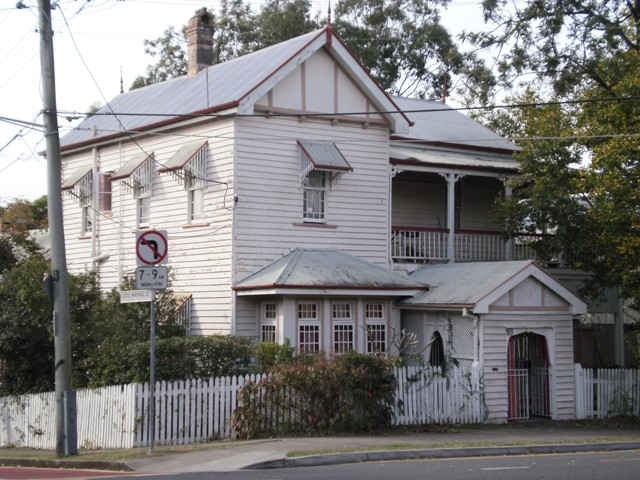
Photo Credit: Brisbane City Council https://heritage.brisbane.qld.gov.au/heritage-places/1708

Photo Credit: Brisbane City Archives, BCC-15117 1960
What daily work has changed most is movement. When I was a young agent, you could usually park right outside a property. Clients could too. We left five minutes between appointments and arrived on time.
Now, we plan routes carefully. Sometimes a colleague drops us off and picks us up later. Often, we walk. Forty-five minutes between appointments is standard. Open inspections are more frequent and increasingly held out of hours — not just for convenience, but because parking itself has become a consideration in property access.
Just this morning, walking out of the post office in Ebor Lane, I noticed the vacant land beside the old Kratzman Hardware building. In the time I’ve worked here, that site has gone through two development cycles and is about to be redeveloped again. When I started in real estate, it was empty. Today, it’s empty once more. That alone tells a story about how cities evolve.


Did you know Toowong once had a bomb shelter?
Many locals remember the old blue Kratzman House at 50 High Street, where Peter Forrest ran his agency for years. Fewer people knew there was a Toowong bomb shelter in the front yard. It had been closed off, but we used it for archived files and, occasionally, curiosity got the better of us. I’ve often wondered what the developers thought when they finally uncovered it during demolition, long after most locals had forgotten it existed.
Those early years in real estate weren’t always polished or predictable. On my very first day in the industry in the 1970s, I was greeted not with a tidy office or a structured induction, but with a dead shark left on the doorstep — a moment that captured both the toughness of the era and the resilience you needed to last in it. Like many starting out then, I learned quickly, often the hard way, and those experiences stayed with me.
When my husband, Russ Cornish, opened L J Hooker Toowong in the then-new Commonwealth Bank building on Sherwood Road and Jephson Street, there were no traffic lights at that intersection. There was street parking on Jephson Street.
Did you know Ziggy once foiled a burglary?
We had an RSL hall and two service stations on the corners. Wilf Rooney ran one of them, and Ziggy — known to most locals — kept an eye on things at night.
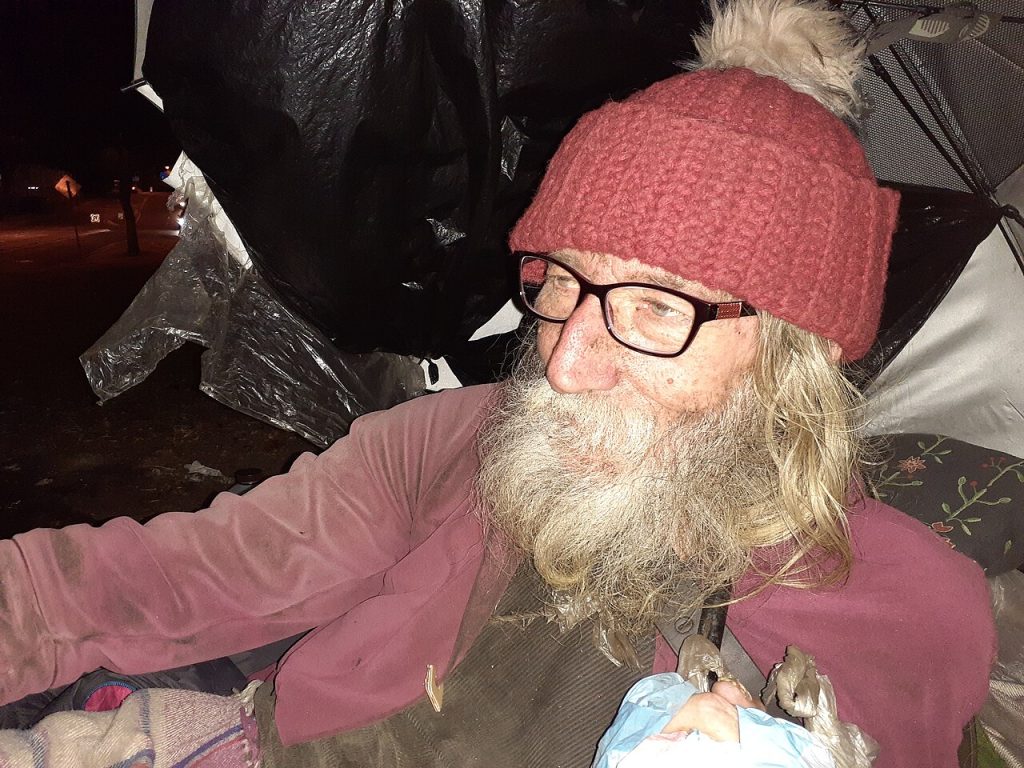
Photo credit: Wikimedia Commons / Pony31 – Own work, CC BY-SA 4.0
https://commons.wikimedia.org/w/index.php?curid=91801036
He even foiled a burglary once. It’s hard to imagine that intersection now without lights, let alone with parking.
Trying to leave my mark
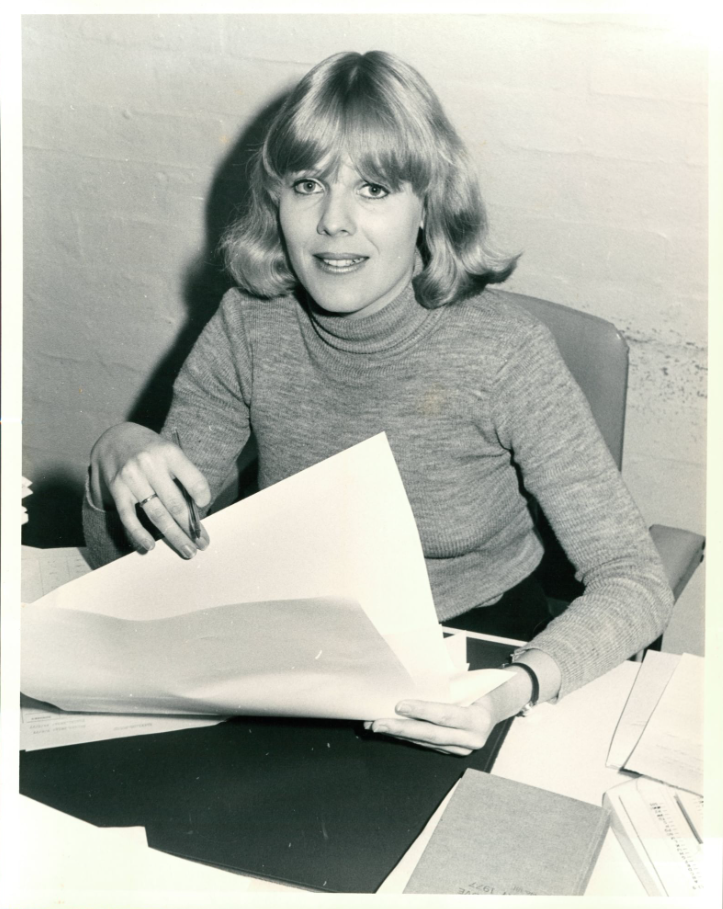
Over time, my work extended beyond day-to-day agency life. I became involved in advisory roles with government bodies and development groups, contributed to changes in training and licensing standards, and helped shape marketing approaches that were more research-led and buyer-focused. I was also fortunate to work on projects where understanding how people live informed not just how properties were sold, but how they were designed. All of that grew out of my years working in and around Toowong — the place where theory met real people and real homes.
View this post on Instagram
One thing that hasn’t changed is Toowong’s cultural diversity. Being a university suburb has ensured that. The streets are still full of young people from all over the world, and that cosmopolitan energy continues to give the area its edge and its warmth.
What do I miss in Toowong?
Jim and Anne’s sandwich shop in Dr Clements Arcade. D’Angelo’s pizza and their veal scallopini. Brian Krebs Hairdresser — flamboyant, talented, and very much of his time, when big hair was everything.
This isn’t nostalgia for its own sake. It’s simply what you see when you stay long enough. Toowong keeps changing — and so do we, alongside it.
Editor’s Note: As Robin McIlwain retires from her role at Ray White Toowong, her vast local experience and range of stories need to see the light of day, and it is with that in mind that we hope to persuade Robin to write further columns for Toowong News.
Published 20-December-2025